A new study reveals that US funding cuts have severely disrupted HIV services for children and pregnant women globally, contradicting official claims of protection for these programs.
US funding cuts have severely disrupted global HIV prevention efforts, leading to clinic closures, rising infections, and preventable deaths among vulnerable populations in countries like Kenya and Tanzania.
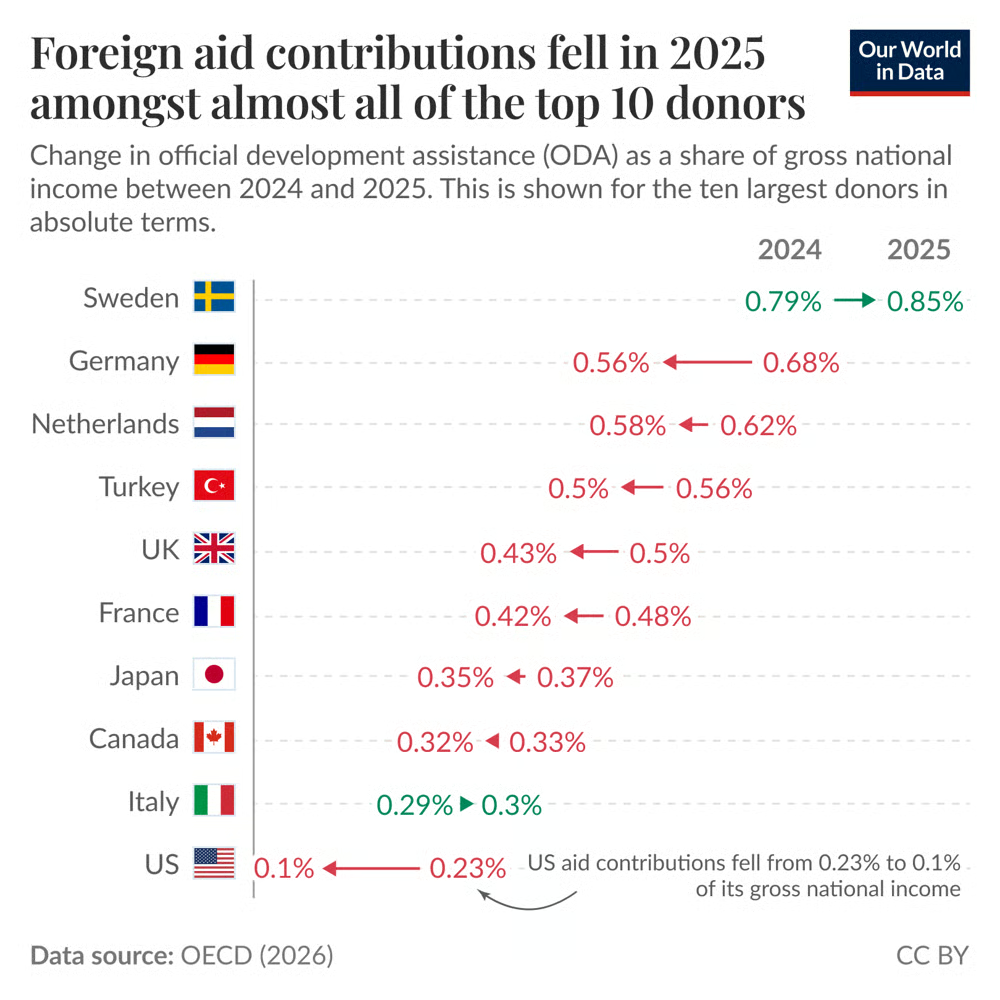
Foreign aid contributions fell in 2025 for nearly all top 10 donors, with US aid dropping 57% according to the OECD. The US dismantled USAID, while European nations like the UK, France, and Germany slashed budgets. This shift, driven by rearmament priorities, threatens global health initiatives, including malaria elimination efforts in the Caribbean.
Democrats warn the White House may reallocate $2.5 billion of Hill-approved foreign aid to cover USAID closeout costs and let $725 million expire, risking billions in global health, development, and anti-trafficking programs, and urging Congress to ensure funds are spent as intended before Sept. 30. The digest also notes GOP pushback on NIH grant politics and a Republican senator seeking testimony from Donald Trump Jr.
Experts condemned the United States’ initial response to Nepal’s flood disaster as embarrassingly small, starting with $500,000 and later rising to $3.6 million to fund food, blankets, and shelter for affected households. Critics argue the aid is inadequate and a symptom of the dismantling of USAID, with relief duties now w anounced to be led by the State Department and neighboring powers like India and China. The disaster has killed over 1,000 people, with thousands more unaccounted as rescue teams search for survivors in mud and in flooded hydropower tunnels.
A Rolling Stone report shows that global funding cuts and political shifts—most notably the U.S. withdrawal from WHO and USAID downsizing—are eroding the immunization infrastructure that helped wipe polio from much of the world, risking resurgence as vaccine-derived polio and anti-vaccine sentiment grow, despite past success like India’s eradication effort.
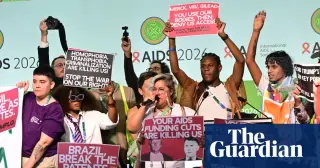
Experts at AIDS 2026 say lenacapavir, a long-acting injectable PrEP, could dramatically cut new HIV infections if scaled up, but funding cuts to USAID are hampering access, threatening outreach, affordability, and the ability to reach high-need populations worldwide.
Trump-era budget cuts and dismantling of USAID left the CDC’s Division of Parasitic Diseases understaffed (from 11 to 3), slowing tracing, lab work, and data reporting on a growing cyclospora outbreak centered in the Midwest, with nationwide cases approaching 7,000 and over 100 hospitalizations; experts warn that lost personnel and funding have delayed identifying the source, even as agencies push to speed up surveillance and testing.
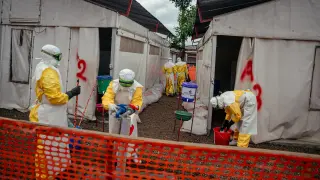
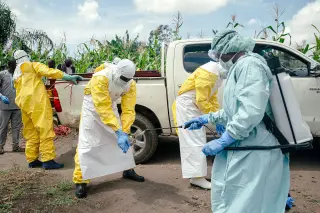
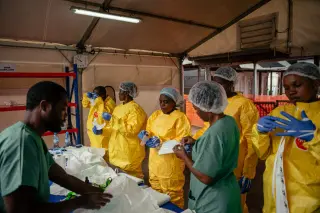
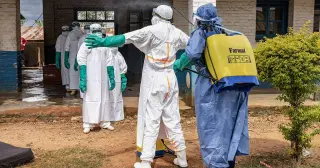
Experts say the Bundibugyo-ebola outbreak in the DRC and Uganda has been worsened by cuts to U.S. and Western aid, including USAID’s closure, which reduced PPE, testing, and cold-chain logistics and delayed detection, contributing to the third-largest Ebola outbreak on record with more than 1,400 cases and about 440 deaths.
Twin earthquakes in Venezuela spur a large U.S. disaster-response effort—a $150 million package and a 250‑person DART deployment—seen as a test of Washington’s retooled aid policy that places disaster relief under the State Department after USAID cuts, with the first 72 hours crucial for survivors and analysts watching how the operation blends humanitarian relief with geopolitical aims surrounding Maduro.
UNRWA fired 70 employees after Israel and the group UN Watch alleged Hamas ties; USAID has referred 101 current or former UNRWA staff to the U.S. State Department for suspension or disbarment over roles in the October 7 attacks. UNRWA says the removals are to mitigate safety risks and notes that Israel has provided no evidence, while UN Watch argues the agency is no longer neutral and should be reformed or shut down; UNRWA’s union condemns the decision as unfair without a transparent investigation.
The Verge’s TC Sottek argues that Elon Musk’s SpaceX IPO could make him the world’s first trillionaire, but his actions—most notably the Trump-era DOGE-led cuts to USAID—have been deadly for global health, with models predicting hundreds of thousands of preventable deaths from malaria, tuberculosis, HIV, and Ebola. The piece accuses Musk of knowingly and gleefully undermining public health and civil society, highlights his racist rhetoric and anti-immigrant stances, and concludes that the world may need saving from his immense power and wealth.
Slate columnist Jill Filipovic argues that the Bundibugyo Ebola outbreak is worsening because U.S. funding cuts and the dismantling of global health programs, especially USAID, have eroded surveillance, sample transport, lab capacity, and frontline health networks in Africa. That erosion delayed detection and response, undermined trust in communities, and left response systems underprepared for rapid testing and humanitarian action. The piece highlights the need to rebuild public health infrastructure, ensure reliable testing, and maintain strong international collaboration to contain the outbreak and protect broader U.S. and global interests.
The article argues that Trump-era cuts to USAID and CDC, plus the U.S. withdrawal from WHO, have left the Congo Ebola outbreak severely under-resourced and poorly coordinated, risking greater spread and undermining global public health.
Democrats argue that cuts to federal health agencies under the Trump administration have weakened outbreak response as hantavirus appears on a cruise ship and Ebola spreads in Africa. The outbreaks prompt calls to rejoin WHO and restore funding to the CDC, FDA, and USAID, while the White House defends its actions and touts interagency coordination. Experts warn the U.S. could be less prepared for a true pandemic, amid debate over vaccine development funding and past U.S. responses.