
Congo Reopens Schools in Ebola Hotspot Amid Safety Fears
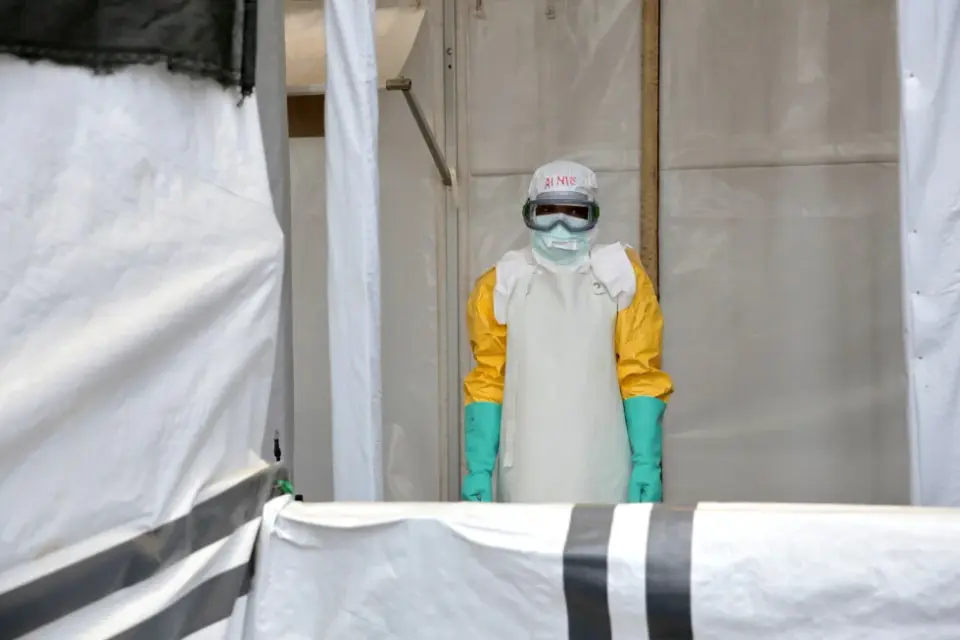
Schools have reopened in the Democratic Republic of Congo’s Ebola epicenter despite significant concerns from parents and teachers. This decision occurs as the outbreak has surpassed 6,000 cases, with containment measures like gathering limits and airport closures in place across six provinces. While health workers are being vaccinated to protect communities, the resumption of classes raises questions about balancing educational needs with public safety in high-risk areas.
Key points
- Schools have restarted in the Ebola epicenter of the Democratic Republic of Congo.
- Parents and teachers have expressed concerns about the safety of reopening.
- The Ebola outbreak in the DRC has surpassed 6,000 cases.
- Containment measures include limits on gatherings, social distancing, and airport closures across six provinces.
- Frontline health workers are being vaccinated against Ebola in 14 zones.
Background
The Democratic Republic of Congo has been grappling with a severe Ebola outbreak that has expanded to multiple health zones, including Ituri, which is also affected by rebel violence. Previous reports indicated that the outbreak had surpassed 6,000 cases, prompting stringent containment measures. Neighboring countries, such as Uganda, have declared themselves Ebola-free, but the WHO has warned of potential cross-border transmission. Additionally, health workers in zones like Tshopo, Bas-Uele, and Haut-Uele have been prioritized for vaccination to prevent further spread.
Why it matters
Reopening schools in an active Ebola zone highlights the critical tension between maintaining educational continuity and ensuring public health safety. This decision could impact transmission rates and community trust in health measures, especially as containment efforts intensify. It also underscores the broader challenges of balancing economic and social needs with disease control in resource-limited settings.
What to watch
Monitoring the impact of school reopenings on Ebola transmission rates will be crucial. Health authorities may need to adjust containment strategies or implement additional safety protocols in schools. Continued vaccination efforts for frontline workers and community engagement will be vital to mitigate risks and maintain public trust.
Want the full story? Read the original reporting
Read on AP News