
Study: Water Reacts with Microplastics to Generate Cell-Damaging Radicals
A new study in Nature reveals that microplastics are not chemically inert but spontaneously generate reactive oxygen species (ROS) when in contact with water. This reaction, which increases with the plastic's hydrophobicity, damages red blood cells and proteins, offering a potential mechanism for how microplastics cause oxidative stress and inflammation in the human body.
Key points
- Columbia University researchers found that water molecules interacting with microplastic surfaces create unstable hydroxyl radicals, a type of reactive oxygen species (ROS).
- The study tested six common plastics, finding that polyethylene and polypropylene generated the most ROS, while poly(methyl methacrylate) generated the least.
- Exposure to these ROS caused mouse red blood cells to change shape and rupture, with damage correlating to the amount of radicals produced.
- The findings challenge the long-held belief that plastics are chemically inert, suggesting that the high surface area of fragmented microplastics amplifies this chemical activity.
- The presence of surfactants, such as Triton X-100 or certain lipids in the body, can suppress ROS generation, potentially mitigating some of the damage.
Background
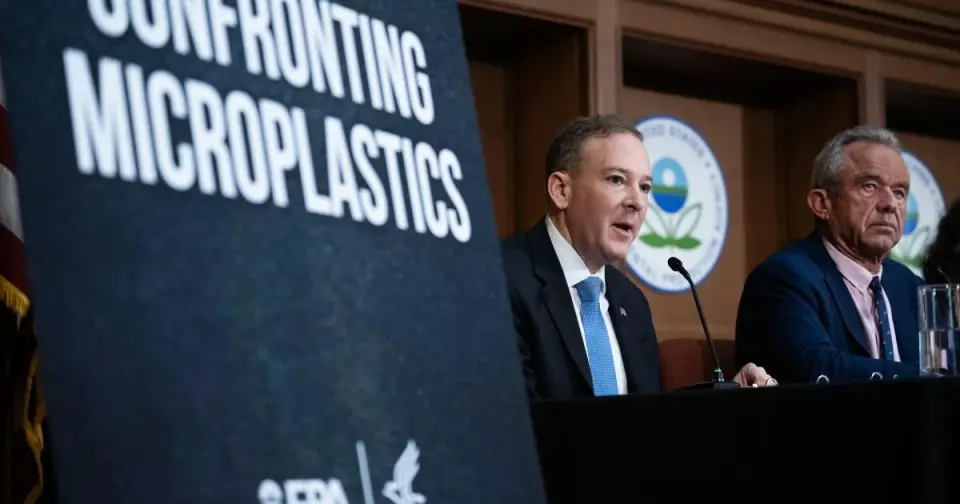
This study builds on previous findings, including a 2024 Columbia University report that found microplastics in bottled water were 10 to 100 times more abundant than previously believed. It also follows a 2026 announcement by the U.S. EPA and Department of Health and Human Services to list microplastics as contaminants in drinking water. Earlier coverage highlighted concerns about microplastics in the Great Lakes and their presence in human tissues, but this study provides a specific chemical mechanism for their toxicity.
How outlets are covering it
The Los Angeles Times and Chicago Tribune emphasize the potential health implications, noting that the findings offer a hypothesis for how microplastics may harm human health. The Chicago Tribune highlights the concern that human blood is 50% water, making this reaction ubiquitous. Smithsonian Magazine focuses on the challenge to the 'inert' paradigm of plastics, quoting a Stanford physician who notes that the plastic surface itself can be chemically active. The Nature journal abstract provides the detailed scientific mechanism, linking hydrophobicity and electrostatics to ROS generation. While all sources agree on the core finding, the Chicago Tribune and Smithsonian Magazine caution that the exact contribution to human disease is still unclear and that surfactants in the body may dampen the effect.
Why it matters
This research provides a fundamental explanation for the toxicity of microplastics, moving beyond the assumption that harm comes only from additives or pollutants. It suggests that the very nature of plastic degradation into micro- and nano-scale particles creates a chemically active interface with water, a ubiquitous component of the human body. This could lead to new strategies for reducing exposure, such as developing biodegradable plastics or reformulating existing ones to be less hydrophobic.
What to watch
Researchers will need to determine the extent to which this mechanism contributes to human disease and whether the presence of surfactants and lipids in the body significantly mitigates the damage. The study also opens up possibilities for new methods of plastic disposal, such as using hot water to break down polymers into less toxic building blocks. Regulatory bodies may also reconsider the safety of current plastics in light of these findings.
- New research shows how microplastics and water interactions could lead to cell damage Los Angeles Times
- Intrinsic physicochemical activity at microplastic–water interfaces Nature
- Microplastics trigger inflammation linked to disease and death. Now scientists appear to have discovered why. Chicago Tribune
- Microplastics Have Been Linked With Myriad Human Health Problems. Scientists May Have Finally Figured Out How They Harm the Body Smithsonian Magazine
- Scientists May Have Finally Pinpointed How Microplastics Harm the Body People.com
Want the full story? Read the original reporting
Read on Los Angeles Times