
Congo Ebola Crisis Worsens as Kenya Records First Death
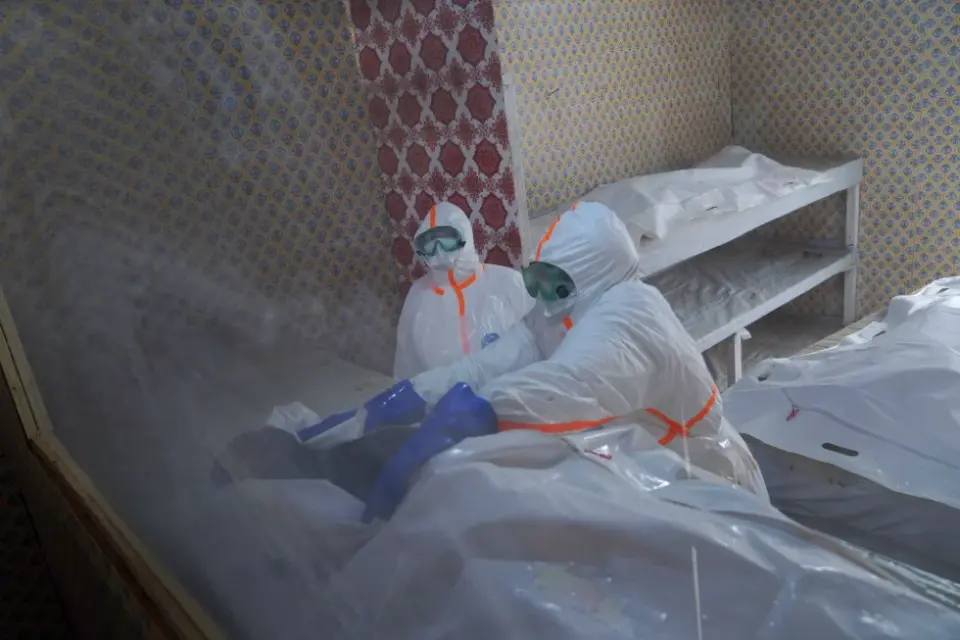
The Ebola outbreak in the Democratic Republic of Congo has expanded to new hot spots, with North Kivu reporting a 58% fatality rate. The virus has spread to half of the country's 34 health zones, and Kenya has confirmed its first case and death, believed to be imported from the DRC.
Key points
- The outbreak has affected 17 of 34 health zones in the DRC, with nine zones reporting fatality rates exceeding 50%.
- North Kivu has the highest case fatality rate at 58%, and surveillance is hampered by community reluctance to report deaths or allow testing.
- Kenya confirmed its first Ebola case and death, linked to a traveler from the DRC, marking the fourth country affected by the outbreak.
- UNICEF reports that over 1,900 children have lost parents or caregivers, with 1,581 in Ituri province and 322 in North Kivu.
- The Bundibugyo strain driving the outbreak lacks an approved vaccine, complicating containment efforts in conflict-affected regions.
Background
The current outbreak, declared in May 2026, is the deadliest on record for the DRC, with over 8,400 cases and 4,000 deaths as of early October. The Bundibugyo strain, which lacks an approved vaccine, has spread rapidly in conflict-affected regions with weak health infrastructure. Earlier in August, the outbreak saw a deadly week with over 300 deaths, and by September, the toll surpassed 3,000 deaths. Vaccination efforts using the Ervebo vaccine have been expanding to frontline workers, but the lack of a specific treatment for the Bundibugyo strain remains a critical challenge.
How outlets are covering it
AP News highlights the spread to new hot spots and the high fatality rate in North Kivu, noting community reluctance to report deaths. The New York Times emphasizes the delayed response in Mangala, suggesting that earlier intervention could have saved lives. UNICEF focuses on the impact on children, reporting that over 1,900 children have lost parents or caregivers, with a high death rate among under-fives. All sources agree on the severity of the outbreak but differ in emphasis: AP on surveillance challenges, NYT on response delays, and UNICEF on child welfare.
Why it matters
The expansion of the Ebola outbreak to new regions and the confirmation of cases in Kenya highlight the potential for further international spread. The high fatality rate and lack of an approved vaccine for the Bundibugyo strain underscore the urgent need for improved surveillance, community engagement, and medical support in affected areas. The impact on children, as reported by UNICEF, adds a critical dimension to the crisis, emphasizing the need for targeted interventions to protect vulnerable populations.
What to watch
Health authorities are tracing contacts in Kenya, including 51 individuals, to prevent further spread. In the DRC, efforts to improve surveillance and community engagement are ongoing, with a focus on addressing reluctance to report deaths and allow testing. UNICEF is calling for nurseries at every Ebola treatment center to support affected children. The WHO is monitoring the situation in Kenya and working with local authorities to gather more details on the imported case.
- Ebola creates new hot spots in Congo as responders describe ‘chaotic’ response AP News
- Ebola Spreads ‘Like Wildfire’ as Health Workers Battle Exhaustion Bloomberg.com
- How Congo’s Ebola Epidemic Got So Bad So Quickly The New York Times
- ‘Ebola takes the people children depend on’: UNICEF UN News
- Ebola Death Toll in DRC Tops 4,000; Trump USAID Cuts Fuel Outbreak Democracy Now!
Want the full story? Read the original reporting
Read on AP News