global-health23.04 min read
DRC Ebola Cases Surpass 9,000 as Bundibugyo Outbreak Defies Containment
12 minutes ago•Source: AP News

The latest global health stories, each synthesized from multiple sources with added background and context.

A new Lancet Commission report ranks malicious AI use and nuclear war as the highest risks for human extinction by 2100, alongside 15 other major threats. The assessment, led by Prof. Christopher Murray, uses disability-adjusted life years to measure potential health impacts, noting that while extinction risks are low probability, their consequences would be apocalyptic. Other top threats include climate breakdown, antimicrobial resistance, and cuts to international aid, which could disproportionately harm sub-Saharan Africa. The commission urges policymakers to address these interconnected risks through prevention and investment, emphasizing that action is possible for each identified threat.

A 28-year-old researcher at a Siberian anti-plague institute died, prompting international scrutiny. Russian authorities deny a lab accident, citing 'unknown pneumonia,' while the US and WHO demand transparency. No secondary cases have been confirmed, and global risk remains low.
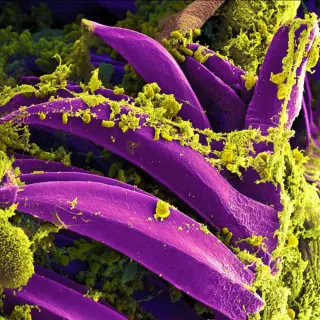
A 28-year-old researcher at a Siberian anti-plague institute died of pneumonia, sparking international concern over a potential pneumonic plague outbreak. While Russian authorities deny a lab accident and attribute the death to an 'unknown origin,' the US and WHO are closely monitoring the situation. Experts note that while pneumonic plague is deadly if untreated, it is highly treatable with antibiotics and spreads less easily than COVID-19.

A 28-year-old Russian researcher died in early October after reportedly breaking a test tube containing plague bacteria at the Irkutsk Anti-Plague Institute. While Russian authorities attribute the death to pneumonia of unknown origin and deny a lab accident, the US and WHO are monitoring the situation. Nearly 200 contacts are under observation, but no new cases have been confirmed.

A survey of 40 countries reveals that 55% of HIV service providers have run out of stock in the past year due to funding cuts. Critical shortages in testing kits and pre-exposure prophylaxis are disrupting care, with experts warning that decades of progress are being reversed as infections rise.

A 28-year-old researcher at the Irkutsk Anti-Plague Institute died in early October, prompting widespread quarantine measures in Siberia. While Russian authorities cite 'pneumonia of unknown etiology' and stable epidemiological conditions, international bodies are monitoring the situation closely due to conflicting local reports and the potential for pneumonic plague transmission.

A 28-year-old female researcher at the Irkutsk Research Anti-Plague Institute in Siberia died on October 2, 2026, after reportedly breaking a test tube containing the plague pathogen on September 25. While Russian authorities attribute her death to 'pneumonia of unknown etiology' and state that expanded testing found no microorganisms linked to her work, international bodies are closely monitoring the situation. Approximately 189 to 200 contacts have been placed under medical observation, and a hospital facility in the Shelekhov district was quarantined. The European Commission and US State Department are urging Moscow for transparent reporting, though no confirmed outbreak has been declared.
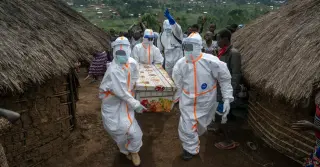
The Ebola outbreak in the Democratic Republic of Congo has surpassed 8,400 confirmed cases and 4,000 deaths, driven by the rare Bundibugyo virus. While a new treatment center is being built in Mangala, local health workers argue the response was delayed, allowing the virus to spread rapidly across seven provinces.

A 28-year-old Russian lab worker died after breaking a test tube containing plague bacteria, triggering a quarantine of nearly 200 people in Irkutsk. While local media and regional leaders confirm a plague diagnosis, federal health authorities label it 'pneumonia of unknown etiology,' prompting the US to monitor the situation.

The World Health Organization’s 2023 estimates reveal that India’s life expectancy reached 71 years, exceeding Pakistan’s 68.2 years but falling short of Bangladesh’s 72.7 years. While global life expectancy has nearly recovered to pre-pandemic levels, healthy life expectancy remains lagging. India’s disease profile has shifted dramatically, with non-communicable diseases now accounting for 75% of top causes of death, a reversal from 2000 when communicable diseases dominated.

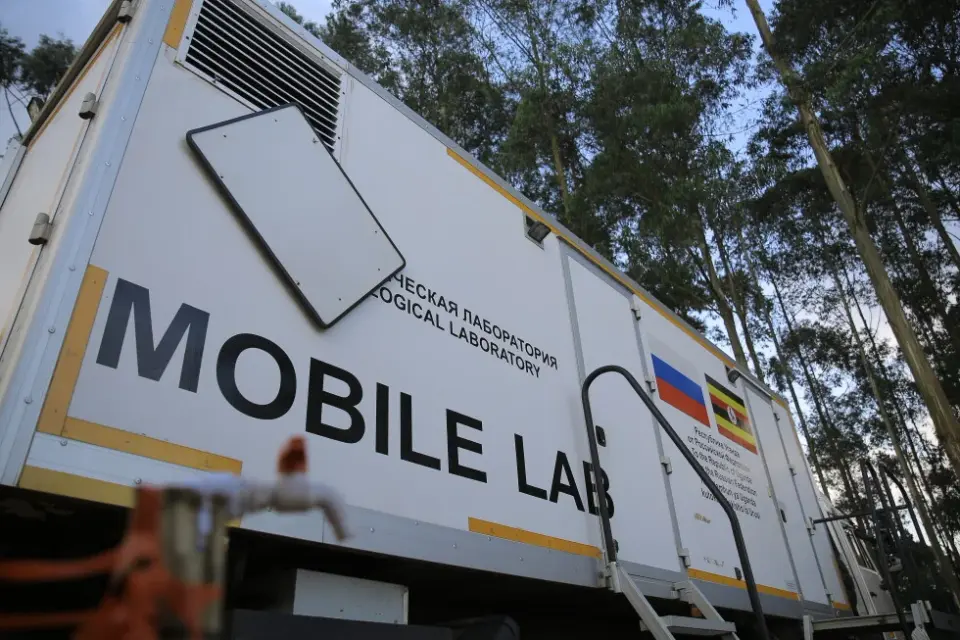
Congo's Bundibugyo Ebola outbreak has killed over 4,000 people, becoming the fastest-growing in history. Containment efforts are severely hindered by the arson of a treatment center, unpaid health worker strikes, and community mistrust. While mobile labs have improved testing speed, the outbreak remains on track to exceed the 2014-2016 West Africa crisis.