
Congo’s Ebola Crisis: 8,400 Cases and a Late Response
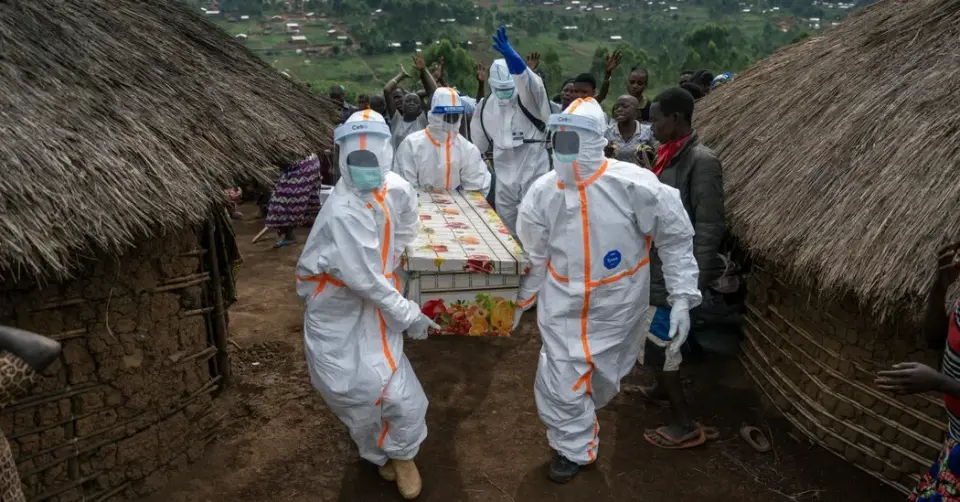
The Ebola outbreak in the Democratic Republic of Congo has surpassed 8,400 confirmed cases and 4,000 deaths, driven by the rare Bundibugyo virus. While a new treatment center is being built in Mangala, local health workers argue the response was delayed, allowing the virus to spread rapidly across seven provinces.
Key points
- As of October 2, 2026, the DRC reported 8,442 confirmed cases and 4,080 deaths, with a case fatality rate of 48.3%.
- The outbreak is caused by the Bundibugyo virus, which currently has no approved vaccine or treatment, though Ervebo is being used under a compassionate-use program.
- Ituri province remains the epicenter, accounting for 75.5% of cumulative cases, while North Kivu shows a higher fatality rate of 59.1%.
- A new Ebola center is under construction in Mangala, but local health workers claim the response began too late, with a sustained effort only starting in June.
- The outbreak has affected 64 health zones across seven provinces, with 50 health workers reported dead since the announcement in May.
Background
The current crisis follows a rapid escalation from August to September 2026, when case counts crossed 3,000 and then 6,000. Earlier efforts included the deployment of Ervebo vaccines in Kisangani and containment measures like airport closures. The Bundibugyo strain, unlike previous Ebola strains, lacks a specific vaccine, complicating the response.
How outlets are covering it
The New York Times highlights the delayed response in Mangala, where a new center is now being built. AP News and NBC News emphasize the sheer scale, noting the outbreak has outpaced the 2014-2016 West Africa crisis in terms of speed. Outbreak News Today provides granular data on recent case distributions across North Kivu and Ituri. While all sources agree on the severity, the NYT focuses on local implementation failures, whereas AP and NBC highlight the national resource shortages and strikes.
Why it matters
The Bundibugyo virus poses a unique challenge due to the lack of a specific vaccine, and the high fatality rate indicates a failure in early detection and care access. The rapid spread across multiple provinces and the loss of health workers threaten regional stability and cross-border transmission.
What to watch
Health authorities are expanding vaccination efforts using Ervebo and building new treatment centers. However, the lack of a Bundibugyo-specific vaccine and ongoing health worker strikes may hinder containment. Monitoring for cross-border spillover into neighboring countries remains a priority.
- How Congo’s Ebola Epidemic Got So Bad So Quickly The New York Times
- An Ebola treatment center was burned down as the death toll in Congo passes 4,000 AP News
- France to step up Ebola funding in Congo amid resurgence fears, minister says Reuters
- Congo Ebola outbreak tops 8,000 cases as health worker shortages worsen nbcnews.com
- Ebola epidemic update - October 2 Outbreak News Today
Want the full story? Read the original reporting
Read on The New York Times