
Equitable Vaccine Sharing Could Save 2.7 Million Lives in Future Flu Pandemic
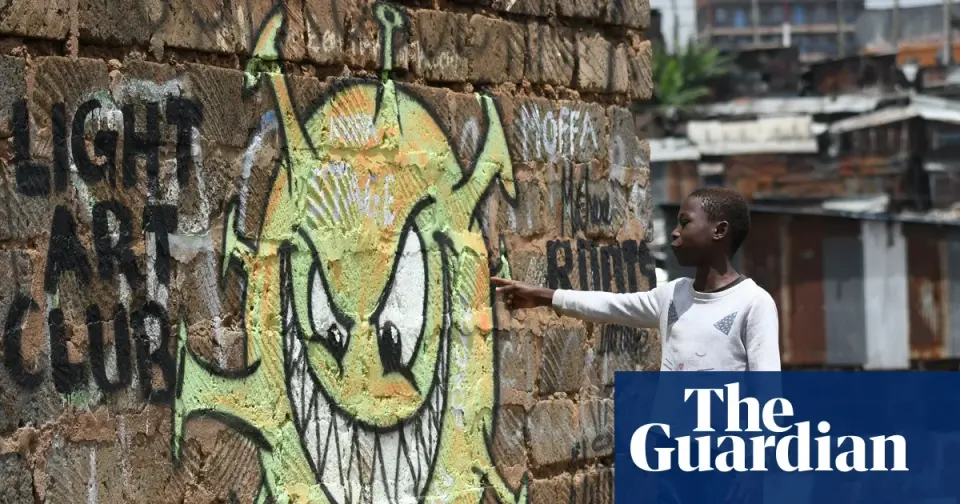
A new report by the NUS-Lancet PRIME Commission finds that distributing pandemic vaccines based on population size rather than purchasing power could save an additional 2.7 million lives globally, though it would increase deaths in high-income nations. The study, which models a hypothetical influenza A outbreak, argues that a 'whole-of-society' approach to preparedness is essential to protect vulnerable communities and build trust before the next crisis.
Key points
- Modelling shows rapid vaccine development could cut global flu deaths from 58.5 million to 23.9 million.
- Shifting allocation from purchasing power to population size would save a further 2.7 million lives globally.
- This equitable approach would raise deaths in high-income countries from 2.4 million to 3.9 million.
- Boosting public confidence in vaccines could prevent an additional 1.9 million deaths.
- The commission calls for a 'whole-of-society' strategy that addresses housing, social protection, and community trust.
Background
This report follows ongoing debates about vaccine policy and preparedness. Recent archive coverage highlighted concerns about vaccine misinformation and the need for robust pandemic planning, as noted by epidemiologist Michael Osterholm. Additionally, recent developments in mRNA flu vaccine technology and U.S. federal discussions on vaccine recommendation labels underscore the current focus on vaccine efficacy and public trust.
How outlets are covering it
The Guardian and Joburg ETC emphasize the moral and statistical case for equitable distribution, highlighting the trade-off where high-income nations face higher mortality for the sake of global reduction. Health Policy Watch provides a broader political context, noting that world leaders appear to have low appetite for pandemic-proofing and that the U.S. may hinder multilateral progress at the upcoming UN High-Level Meeting. Rediff offers a brief summary of the core finding without extensive analysis. All sources agree that systemic weaknesses, such as overcrowded housing and lack of identity documents, create vulnerability, but Health Policy Watch specifically contrasts countries with universal health coverage (like New Zealand and South Korea) against those with systemic exclusion (like the U.S.).
Why it matters
The findings challenge the status quo of vaccine distribution, suggesting that national self-interest in pandemic response is less effective than global solidarity. The report provides a concrete blueprint for governments to move beyond technical checklists and address social determinants of health, which is critical for building resilience against future outbreaks.
What to watch
The report is being published ahead of a United Nations High-Level Meeting on pandemic preparedness in New York. The commission urges governments to institutionalize community participation in planning and commit to protecting all citizens, regardless of their socioeconomic status.
- Nearly 3m more lives could be saved in next pandemic if vaccines are shared more fairly, says report The Guardian
- As Global Pandemic Approach Flounders, Experts Offer Blueprint To Protect All Citizens Health Policy Watch
- Nearly 3m more lives could be saved in next pandemic if... Rediff
- Next pandemic could kill millions fewer if vaccines are shared more fairly, report finds IOL
- Report: Fairer vaccine sharing could save nearly 2.7 million lives in next pandemic Joburg ETC
Want the full story? Read the original reporting
Read on The Guardian