
Fiji Escalates HIV Response to National Emergency Amid Meth-Driven Surge
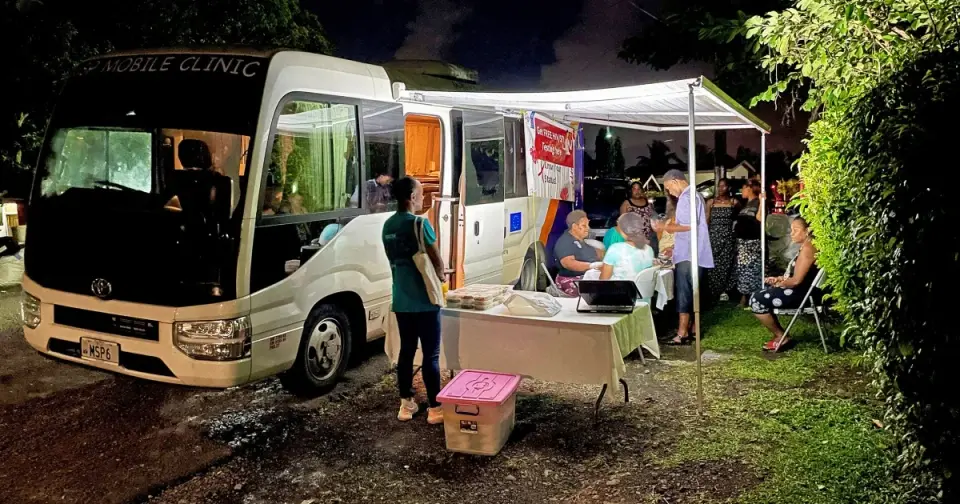
Fiji has declared a national HIV emergency after infection rates surged to one in 60 adults, driven largely by the spread of injected methamphetamine. The government is expanding free testing, treatment, and needle-syringe programs to address a crisis that UNAIDS describes as one of the sharpest increases in new infections globally.
Key points
- Fiji's Cabinet elevated the HIV response from an 'outbreak' status to a 'national emergency' in September 2026, requiring coordinated action across government agencies.
- Approximately 9,000 people in Fiji are estimated to be living with HIV, with new infections increasing 12-fold over the last 15 years.
- Only 39% of people living with HIV know their status, and just 22% are receiving antiretroviral treatment, according to UNAIDS.
- The surge is linked to the growing use of injected methamphetamine, with 42% of cases with known transmission modes linked to injecting drug use.
- The government is expanding free testing, providing clean needles for drug users, and offering free treatment for those who test positive.
Background
Fiji first declared an HIV outbreak in January 2025, which prompted an increase in testing. However, officials determined that this response was insufficient, leading to the declaration of a national emergency in September 2026. The crisis is part of a broader trend in the Pacific, where Papua New Guinea also declared a national HIV crisis in June 2025 due to surging infections.
How outlets are covering it
While all sources agree on the declaration of a national emergency and the severity of the crisis, they emphasize different aspects. NBC News and ABC News highlight the government's new measures, including free testing and needle-syringe programs, and the role of stigma in hindering care. UNAIDS focuses on the global implications, calling Fiji's crisis a 'stark reminder' that AIDS is not over and emphasizing the need for robust health systems. CNN and ABC News also note the link to the methamphetamine crisis, with ABC News providing specific data on transmission modes (50% sexual, 42% injecting drug use).
Why it matters
Fiji's HIV emergency highlights the vulnerability of small island nations to rapid health crises, particularly those linked to drug trafficking and use. The surge in infections, driven by injected methamphetamine, underscores the need for comprehensive public health responses that address both the virus and its underlying drivers. The crisis also serves as a warning to other countries that HIV epidemics can change quickly, requiring urgent and coordinated action.
What to watch
The government is expected to continue expanding testing and treatment efforts, with a focus on reducing stigma and improving access to care. International organizations, including UNAIDS and the U.S. Embassy, are providing support and technical assistance to strengthen Fiji's response. The success of these efforts will be crucial in determining whether the surge in HIV infections can be reversed.
- Fiji declares an HIV emergency and expands testing as cases surge NBC News
- Fiji declares HIV emergency. One in 60 people now have the virus as drug crisis fuels outbreak CNN
- Fiji declares HIV a national crisis as diagnoses surge Reuters
- Fiji declares national HIV emergency as case numbers surge ABC News - Breaking News, Latest News and Videos
- UNAIDS to support Fiji as it declares HIV a national crisis and puts in new measures to strengthen the response UNAIDS
Want the full story? Read the original reporting
Read on NBC News