
Mistrust and Misinformation Hamper Ebola Response in Congo as Outbreak Surpasses 10,000 Cases
The Bundibugyo Ebola outbreak in the Democratic Republic of Congo has surpassed 10,000 confirmed cases and nearly 5,000 deaths, becoming the country's deadliest and fastest-growing epidemic. While the virus has spread to neighboring nations including Uganda, Kenya, and Nigeria, response efforts are severely hindered by deep-seated community mistrust, misinformation, and armed conflict. Local leaders report that many residents refuse treatment, believing Ebola is a form of poison or witchcraft, leading to high mortality rates outside treatment centers. International health officials warn that the lack of an approved vaccine or treatment, combined with delayed detection and funding shortfalls, poses a global risk, urging immediate cross-border cooperation and increased preparedness.
Key points
- The outbreak, caused by the rare Bundibugyo strain, has resulted in over 10,000 cases and nearly 5,000 deaths in the DRC, with no approved vaccine or treatment available.
- Community mistrust and misinformation, including beliefs that Ebola is poison or linked to evil spirits, have led to violent resistance against health workers and refusal of medical care.
- Approximately 60-70% of deaths and new cases occur outside treatment centers or known contact lists, indicating a failure in community engagement and contact tracing.
- The virus has spread to Uganda, Kenya, and Nigeria, with Africa CDC officials warning that the unprecedented geographic spread could eventually reach Europe and other continents.
- International funding pledges of $3 billion remain largely unmet, with over $2 billion outstanding, while health workers face unpaid wages, dangerous conditions, and violence in conflict zones.
Background
This outbreak is the 17th Ebola epidemic in the DRC since the virus was identified and is the deadliest in the country's history. Previous outbreaks, such as the 2014-2016 West Africa epidemic, had higher total case counts but slower initial growth. The current crisis is exacerbated by the lack of an approved vaccine for the Bundibugyo strain, unlike previous outbreaks where vaccines were available. The DRC has a history of Ebola outbreaks, but this one is distinguished by its rapid spread across multiple African regions and the significant role of community mistrust in hindering containment efforts.
How outlets are covering it
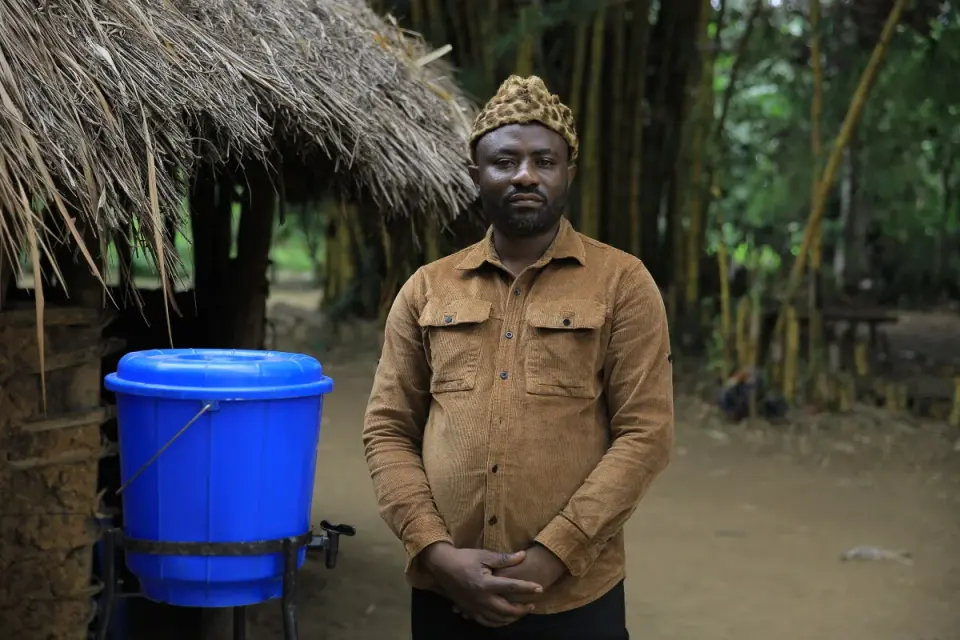
AP News highlights the human impact of mistrust, focusing on village chief Alphonse bin Kitobi Achou Taibo, who lost four family members to Ebola due to their refusal of treatment based on misinformation. The Guardian emphasizes the global implications, with Africa CDC Director-General Dr. Jean Kaseya warning that the outbreak could reach the UK and other non-African countries, comparing it to the early stages of the Covid-19 pandemic. NPR focuses on the systemic failures, noting that the outbreak started circulating in February or March but was not detected until May, and that international cooperation and funding have been slower than in previous outbreaks. All sources agree on the severity of the crisis but differ in emphasis: AP on local community dynamics, The Guardian on global risk, and NPR on institutional and funding shortfalls.
Why it matters
The Bundibugyo Ebola outbreak represents a critical test for global health security, as it is the first time three African regions have been affected simultaneously. The lack of an approved vaccine or treatment, combined with community mistrust and armed conflict, has led to a high mortality rate and uncontrolled spread. The crisis underscores the importance of community engagement, timely detection, and international cooperation in containing infectious diseases. Failure to address these issues could lead to a global pandemic, with significant economic and health consequences for countries worldwide.
What to watch
Africa CDC Director-General Dr. Jean Kaseya will convene a meeting of African health ministers to urge greater cross-border cooperation and screening at points of entry and exit. He will also call for a 'corridor of peace' in conflict areas to allow health workers access. Vaccine trials for the Bundibugyo strain are underway, with results expected in three to six months. International donors are urged to fulfill funding pledges to support the response. Health workers are working to rebuild community trust and improve contact tracing, but the outbreak remains out of control, with new cases continuing to emerge in neighboring countries.
- A village chief in Congo works to overcome Ebola prejudice even as the disease kills his relatives AP News
- Africa’s ‘unprecedented’ Ebola outbreak could reach UK, says top health official The Guardian
- Congo's Ebola cases surpass 10,000 as fears grow of wider African spread Reuters
- The Ebola outbreak is breaking records — and just marked a grim milestone NPR
- Ebola outbreak 2026 news: Chicago hospitals say they are ready amid Ebola cases in Kenya, Congo, Nigeria, Uganda, France ABC7 Chicago
Want the full story? Read the original reporting
Read on AP News