
Pakistan’s Pediatric HIV Crisis Resurfaces as Unsafe Medical Practices Infect Hundreds of Children
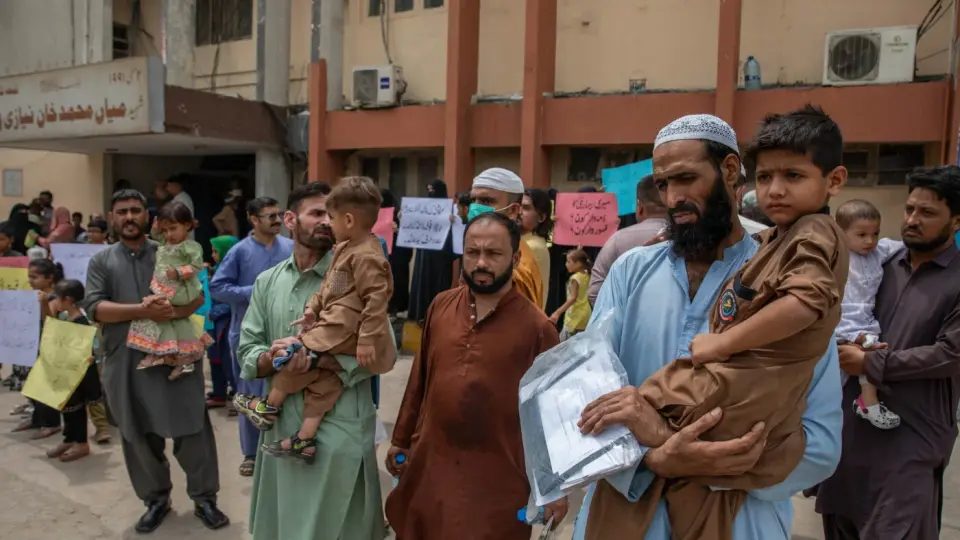
Hundreds of children in Pakistan have contracted HIV due to unsafe medical practices, specifically the reuse of syringes and poor infection control, at public hospitals in Karachi and Taunsa. Recent outbreaks in 2025 and 2026 mirror a 2019 tragedy in Larkana, highlighting systemic failures in healthcare oversight. While the government has introduced measures like banning reusable syringes and mandating pre-surgery HIV screening, experts argue these are stopgap solutions that fail to address deeper issues such as underfunding, staff shortages, and weak disease surveillance. Affected families face severe social stigma, discrimination, and financial hardship, as the virus spreads from high-risk groups to children through compromised healthcare facilities.
Key points
- At least 331 children in Taunsa, Punjab, were infected with HIV between November 2024 and October 2025, while dozens more in Karachi contracted the virus after treatment at Kulsum Bai Valika Hospital in 2025.
- Multiple government inquiries confirmed safety failures at Valika Hospital, including improper syringe handling, leading to staff suspensions and promises of financial compensation for affected families.
- Experts identify 'bridging events' where HIV moves from high-risk populations to children via healthcare facilities due to poor infection prevention standards, unregulated blood donations, and reliance on informally trained providers.
- The Pakistani government has implemented a ban on certain syringes and mandated nationwide HIV screenings before surgeries, measures that were first introduced after the 2019 Larkana outbreak but have not prevented recurrence.
- Affected children face lifelong stigma and discrimination, including denial of school admissions and refusal of medical care for other conditions, exacerbating the burden on low-income families.
Background
In 2019, 494 children in Larkana, Sindh province, were diagnosed with HIV, a tragedy attributed to the reuse of syringes and lack of standards for blood transfusions. The incident sparked public outrage and government pledges to crack down on unauthorized medical providers. This current outbreak is part of a recurring pattern of pediatric HIV cases linked to unsafe medical practices in both public and private sectors, reflecting persistent systemic weaknesses in Pakistan's healthcare infrastructure.
Why it matters
The recurrence of pediatric HIV outbreaks underscores the inadequacy of reactive measures in addressing systemic healthcare failures. Without comprehensive reforms in infection control, funding, and staff training, Pakistan remains vulnerable to further transmission. The social stigma associated with HIV also poses a significant barrier to treatment and support for affected children, highlighting the need for both medical and societal interventions.
What to watch
The effectiveness of new safety measures, including the ban on reusable syringes and mandatory pre-surgery HIV screenings, will be critical in determining whether future outbreaks can be prevented. Continued advocacy for systemic healthcare reforms and anti-stigma campaigns will be essential to protect children and support those already affected by HIV.
Want the full story? Read the original reporting
Read on NPR