
Washington Confirms First 2026 Bird Flu Detection at Pierce County Poultry Farm
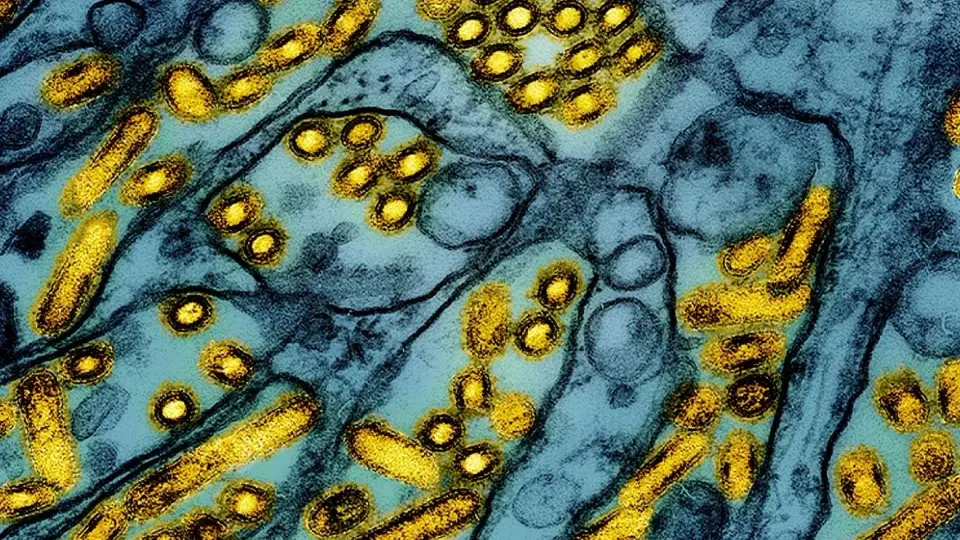
State agriculture officials confirmed the first detection of highly pathogenic avian influenza in Washington for 2026 at a commercial poultry facility in Pierce County. The site is under quarantine, and eggs from infected birds will be destroyed. Public health agencies are monitoring exposed workers, though officials state the risk to the general public remains low.
Key points
- The Washington State Department of Agriculture identified the virus at a commercial poultry facility in Pierce County, marking the first such detection in the state this year.
- The affected facility is under quarantine, and disease control measures are underway; eggs from infected birds will be destroyed and will not enter the food supply.
- No human cases have been identified at the facility, but public health agencies are monitoring workers who were exposed to infected birds as a precaution.
- State law protects the identity of the farm, so the specific operation is not being named during the agricultural emergency.
- Chicken and eggs from other farms remain safe to eat, according to the Washington State Department of Agriculture.
Background
Washington has reported bird flu detections since 2022, with recent cases in October involving backyard flocks in Yakima and Kittitas counties exposed to migratory waterfowl. The state has also seen increased deaths among wild migratory birds. In late October and early November 2026, Washington recorded its first U.S. bird flu fatality of the year in Yakima County, linked to exposure to infected dairy cattle, though officials maintain that human-to-human transmission has not been documented.
Why it matters
This detection highlights the ongoing risk of H5N1 transmission from wild birds to domestic poultry in Washington. While the immediate risk to the public is low, the quarantine and monitoring efforts demonstrate the state's proactive approach to preventing the virus from spreading to human populations and the broader food supply.
What to watch
Public health agencies will continue to contact exposed workers to discuss risk, offer medication if needed, and monitor for symptoms. Flock owners within six miles of the detection are in a surveillance zone and are encouraged to report their flock's health using the state's online reporting tool. The Washington State Veterinarian urges flock owners to keep birds away from wild waterfowl and to contact the Sick Bird Hotline if birds become ill or die.
Want the full story? Read the original reporting
Read on KOMO