Highly pathogenic avian influenza (HPAI) has been confirmed in Berkshire, with a local charity reporting that species beyond poultry are affected. This development follows recent human cases in the US linked to dairy exposure.
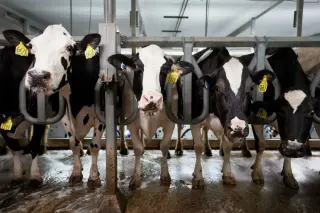
The Washington State Department of Labor and Industries (L&I) is inspecting two Central Washington dairy farms following the death of a worker from H5N1 avian influenza. The employee, a Yakima County resident with underlying health conditions, died on November 1 after exposure to infected cattle. L&I is enforcing personal protective equipment (PPE) requirements, while public health officials monitor a third confirmed human case in the region. British Columbia is also monitoring the situation, though no dairy cases have been recorded in Canada.
A dairy farm worker in Central Washington died from H5N1 avian influenza on November 1, 2026. Washington state officials are inspecting two farms and emphasizing personal protective equipment. Experts warn that case numbers are likely underreported due to worker fears of immigration consequences, while officials stress that public risk remains low.
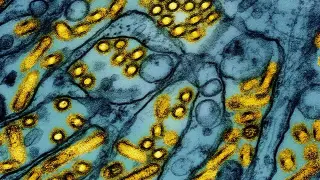
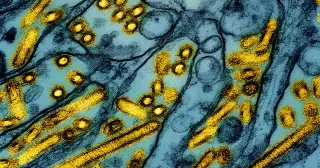
The H5N1 avian influenza virus is spreading across US dairy and poultry sectors, with a new highly pathogenic case confirmed in Wisconsin. While no sustained human-to-human transmission has been detected, experts warn that the overlap of bird flu and seasonal flu increases the risk of genetic reassortment, potentially creating a pandemic strain.
Veterinarians and health agencies advise against feeding cats raw animal-based diets due to significant risks of bacterial contamination and viral exposure. While raw feeding has gained popularity among pet owners seeking a 'natural' diet, the American Veterinary Medical Association, FDA, and CDC warn that untreated proteins can harbor pathogens like Salmonella and Listeria. Recent 2025 recalls linked to H5N1 bird flu in raw chicken products have highlighted the dangers of this practice. Experts recommend cooking poultry to 165°F to eliminate germs, though they caution that cooking alone does not ensure nutritional balance. Owners are urged to consult veterinarians for complete, balanced diets that avoid the health risks associated with raw feeding.
Wisconsin officials confirmed a highly pathogenic avian influenza (HPAI) case in a backyard poultry flock in Rusk County on Thursday, leading to the euthanasia of all birds on the property. While the state agency did not specify the infection source, it noted that H5N1 has circulated in North America since December 2021. This local outbreak occurs against a backdrop of rising national anxiety regarding H5N1, including a recent human death in Washington State and an uncontrolled outbreak at a Utah mink farm. Experts warn that the virus’s ability to infect mammals, particularly those with cellular structures similar to humans, poses potential pandemic risks, though current transmission remains limited to animal-to-human contact.
State agriculture officials confirmed the first detection of highly pathogenic avian influenza in Washington for 2026 at a commercial poultry facility in Pierce County. The site is under quarantine, and eggs from infected birds will be destroyed. Public health agencies are monitoring exposed workers, though officials state the risk to the general public remains low.
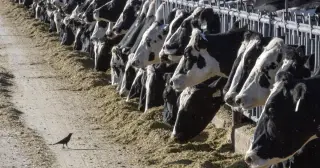
A resident of Yakima County, Washington, has died from complications of H5N1 avian influenza, marking the first U.S. bird flu fatality of 2026 and the third since the virus began infecting livestock in 2024. The individual, who had underlying health conditions, contracted the virus after exposure to infected dairy cattle. Health officials maintain that the risk to the general public remains low, as no human-to-human transmission has been documented. The CDC confirmed the virus strain from the deceased showed no mutations that would facilitate easier spread or increased severity. Washington state has reported 33 infected dairy herds since October, with three confirmed human cases in the county, all linked to dairy exposure.
A resident of Yakima County, Washington, has died from complications of H5N1 avian influenza, marking the first US bird flu death of 2026 and the third since the virus began infecting livestock in 2024. The individual, who had underlying medical conditions, contracted the virus through exposure to infected dairy cattle. Health officials confirmed a third human case in the county, which remains mild. While the risk to the general public is considered low, authorities urge dairy workers to monitor for symptoms and use protective equipment.
A resident of Yakima County, Washington, has died from complications of H5N1 avian influenza, marking the first US bird flu fatality of 2026 and the third since the virus began infecting livestock in 2024. The individual, who had underlying health conditions, contracted the virus after exposure to infected dairy cattle. While health officials maintain that the risk to the general public remains low, they are urging dairy workers to monitor symptoms. No human-to-human transmission has been documented in the US, and the CDC confirms the virus strain shows no mutations facilitating easier spread.
A resident of Yakima County, Washington, has died from complications of avian influenza, marking the third US fatality since the virus began infecting livestock in 2024. The individual, who had underlying health conditions, contracted the H5N1 strain after exposure to infected dairy cattle. While this is the first US death in 2026, officials maintain that the risk to the general public remains low, as no human-to-human transmission has been documented. The CDC confirmed the virus strain from the deceased showed no mutations that would facilitate easier spread or increased severity. Washington state has reported 33 infected dairy herds since October, with three confirmed human cases in the county, all linked to dairy exposure.
A resident of Yakima County, Washington, died from complications of H5N1 avian influenza, marking the first U.S. bird flu death in 2026. The individual had underlying health conditions and was exposed to infected dairy cattle. Health officials are monitoring close contacts, while the CDC confirms no person-to-person transmission and low risk for the general public.
A resident of Yakima County, Washington, has died from complications of avian influenza, marking the first US fatality from bird flu in 2026. The individual had underlying health conditions and was exposed to infected dairy cows. Health officials report a third confirmed human case in the county, which remains mild. While the risk to the general public is considered low, officials are urging dairy workers to monitor symptoms and report exposure. No human-to-human transmission has been documented in the US.
A Yakima County resident died on November 1 from complications of avian influenza, becoming the first U.S. fatality linked to bird flu in 2026. The individual had underlying health conditions and contracted the virus after exposure to infected dairy cattle. Health officials reported a third confirmed human case in the county, which remains mild. While human-to-human transmission has never been documented in the U.S., officials emphasize that risk remains low for the general public but higher for dairy workers.
U.S. influenza activity is increasing but remains low nationally. The CDC reports that while overall cases are minimal, the hospitalization rate for the current week is the highest since the 2010-11 season. Influenza A(H1N1)pdm09 is the predominant strain, accounting for nearly all subtyped samples. One confirmed human case of avian influenza A(H5N1) was reported in Washington state, though no human-to-human transmission has been identified. Experts advise vaccination now to build immunity before potential peaks.