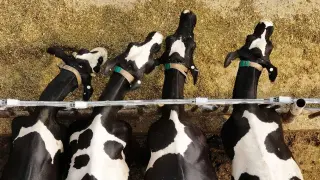
Box Elder County in Utah declared a local state of emergency after a dairy farm tested positive for highly pathogenic avian influenza, triggering quarantine measures that affect about half of the county’s dairy cows and farms and enabling state and federal support to help farmers amid severe milk production losses.
A Connecticut poultry farmer, Joshua Beebe of Tardif Poultry Farm, endured the depopulation of 5,000 birds after a Salmonella finding during a wave of avian influenza concerns, triggering a lengthy quarantine, canceled orders, and around $50,000 in repopulation costs, with little USDA indemnity and ongoing biosecurity measures as he rebuilds while facing wild-bird transmission risks and climate-influenced migration.
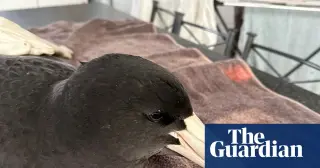
Two sick brown skua and giant petrel found on Western Australia’s southern coast tested positive for H5N1 avian influenza and died, marking Australia’s first detections and prompting heightened surveillance amid fears of a broader wildlife outbreak. Experts say there’s no confirmed spread yet, but seabirds could transport the virus as they forage offshore. People should avoid handling dead or sick birds and report sightings via the Emergency Animal Disease Hotline.
Rhode Island health officials euthanized 445 asymptomatic birds at Antonelli Poultry in Providence after avian influenza was detected during routine testing. The market remains closed five days after disposal and sanitization, and staff are being monitored for 10 days. Authorities also issued guidance on food-safety and precautions to prevent avian flu exposure.
Rhode Island's Antonelli Poultry in Providence tested positive for H5N1 avian influenza during USDA routine testing, prompting humane euthanization of about 445 asymptomatic birds and a five-day market closure after disposal and sanitization; the birds were from out-of-state dealers, staff are to be monitored for 10 days, and overall human risk is low. Guidance includes cooking poultry to 165°F and safe disposal for affected products; this is RI's first domestic avian influenza case in 2026, with RIDOH and DEM coordinating the response.
A CDC MMWR report (July–December 2025) surveyed 638 U.S. backyard flock owners and found that while most have heard of avian influenza, many cannot identify all signs in birds or humans. About 16% know all human symptoms and roughly one-third know all bird signs; 77% view their personal risk as low, though 90% know recommended precautions. Willingness to use PPE increases with higher knowledge (gloves, boots, and respirators are common; goggles and coveralls less so). Flocks are often small with potential wild-bird access, raising exposure risk. Since 2024, 71 human H5 cases have been reported in the U.S., including three among backyard-flock owners (two deaths). The findings support targeted education to help owners protect themselves, their flocks, and families from avian influenza.
The Upper West Side is abuzz with NYC’s rise in avian influenza, the death of renowned local chef Tom Valenti, continued activism by Arlene Geiger, and a strong start to April real estate with six multi-million-dollar closings highlighted by an $8.5 million Beresford co-op sale, along with notes on outdoor dining openings and other local happenings.
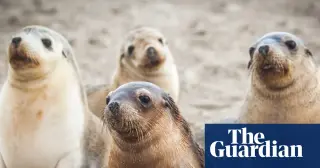
A deadly avian influenza strain (HPAI H5N1) has been found in a dead California sea lion along Morro Strand State Beach in Morro Bay, San Luis Obispo County—the first reported case in this county and the third sea lion overall to contract the virus since the outbreak began. Lab confirmation came March 25 after a March 16 sample; previously detections occurred in San Mateo County and at Point Reyes National Seashore, part of a broader Bay Area seabird mortality event. Officials say human risk remains low and advise against approaching sick wildlife, reporting sightings to NOAA. The outbreak has affected multiple marine mammals and seabirds along California’s coast.
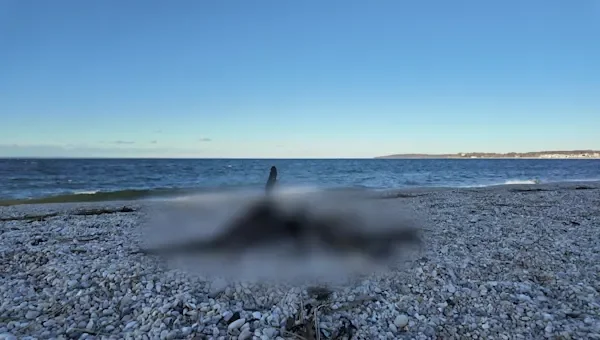
Bayville residents report a growing number of dead birds on the beach, raising fears of an avian flu outbreak. The Department of Environmental Conservation says avian flu is widespread on Long Island and cannot retrieve every carcass. Public guidance emphasizes avoiding contact with dead birds and using gloves, masks, triple-bagging, and sanitation for disposal, as locals call for testing and a coordinated response.
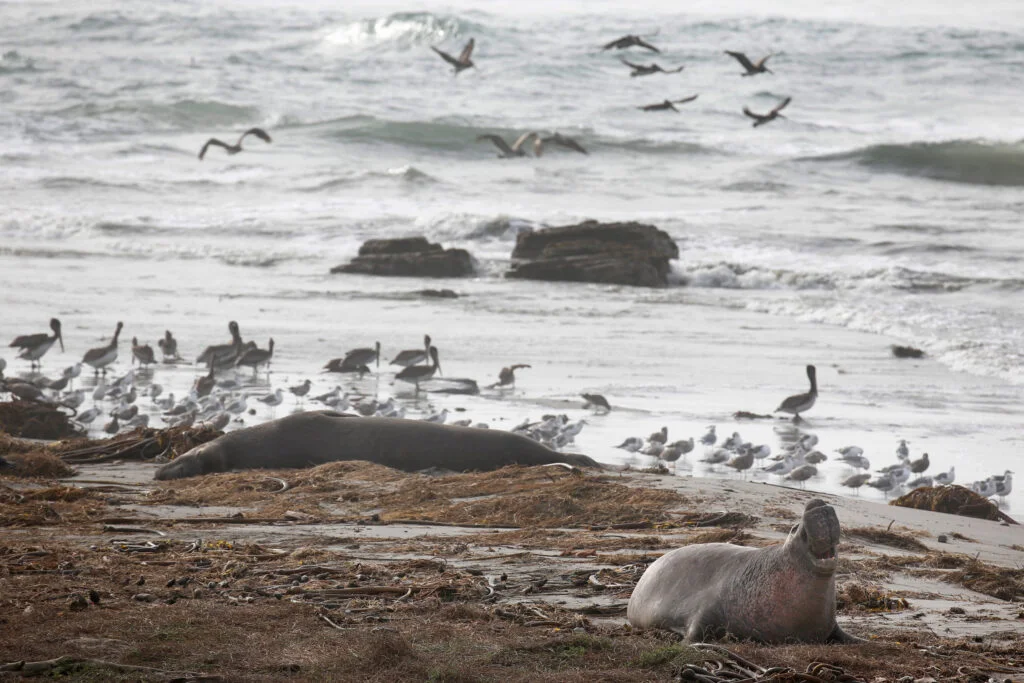
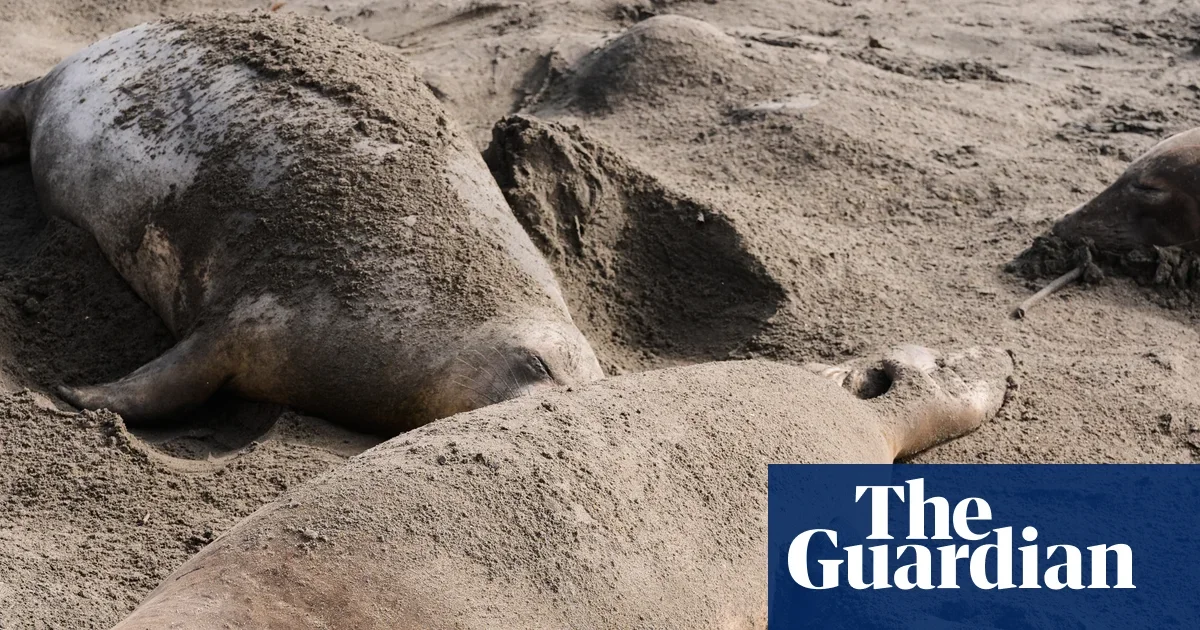
An avian influenza outbreak (HPAI H5N1) linked to Año Nuevo State Park has spread to other marine mammals and seabirds along California’s coast, with nine more elephant seals testing positive plus a California sea lion and a southern sea otter. Public risk remains very low, but authorities urge people and pets to avoid contact with sick or dead wildlife and report sightings as researchers monitor the situation. The outbreak has caused partial park closures and paused rescue operations, while scientists continue to study transmission and mortality among seals, otters, and birds across the region.
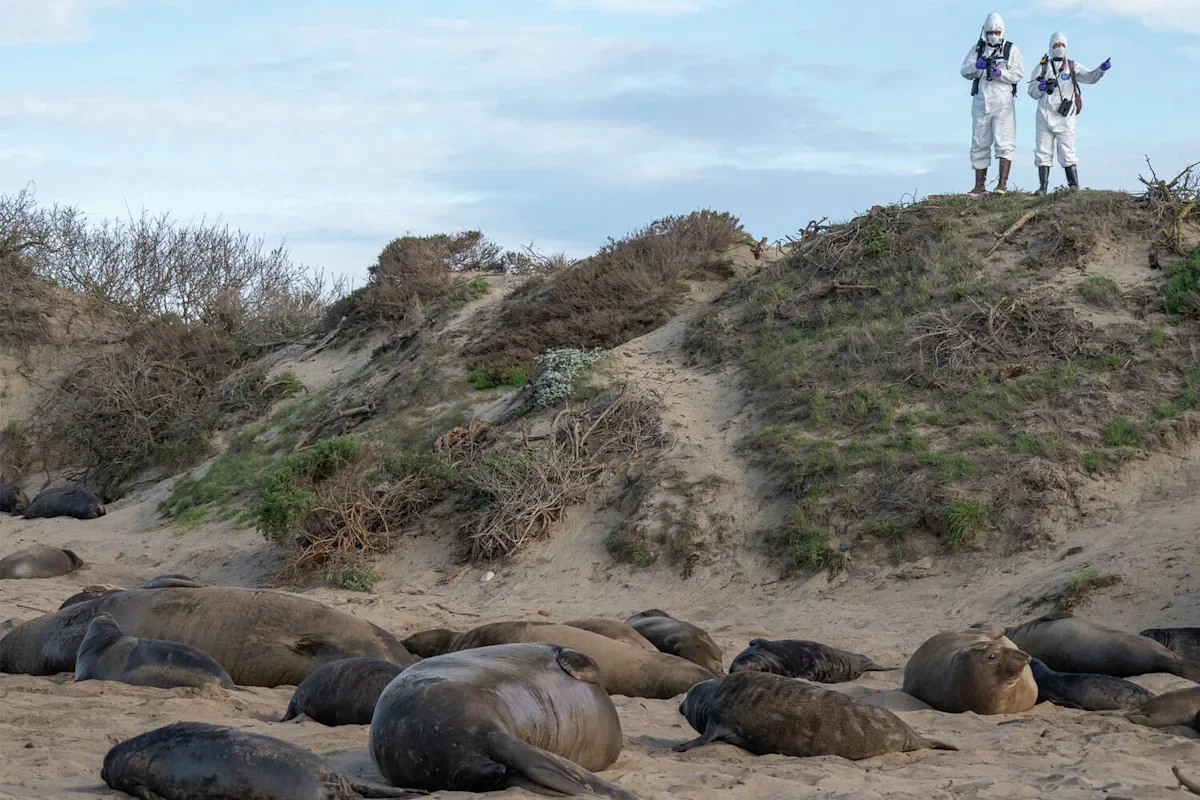
Seven newly weaned northern elephant seal pups at Año Nuevo in California tested positive for highly pathogenic avian influenza (H5N1), marking the first confirmed cases in the state’s elephant seals amid a global surge. Public risk remains low, but authorities are intensifying surveillance, closing seal-viewing areas, and coordinating across agencies to track spread and origins. The outbreak echoes 2023’s severe die-off among southern elephant seals in Argentina and underscores how climate change and migratory shifts can facilitate cross-species transmission, with potential long-term impacts on marine mammal populations and broader ecosystems.
A case of highly pathogenic avian influenza (HPAI) H5N1 was identified in a Dane County backyard poultry flock. The premises were quarantined and the birds depopulated to prevent spread; USDA animal health officials and the Wisconsin DATCP are coordinating the response. Poultry owners are urged to enhance biosecurity and monitor flocks, reporting signs of illness as prompted. The HPAI H5N1 virus continues to circulate in wild and domestic birds across North America since 2021.
An outbreak of the highly pathogenic avian influenza HPAI H5N1 has killed about 30 elephant seal pups at Año Nuevo State Park in California, prompting the temporary closure of seal-viewing areas through the end of March. Researchers from UC Davis and UC Santa Cruz are intensifying monitoring of the park’s roughly 5,000-seal breeding colony to understand transmission and outcomes, with the virus's source and spread still unknown as wildlife agencies coordinate responses.
More than 30 swans have been found dead in London’s Docklands over the past week, with officials probing a suspected outbreak of Highly Pathogenic Avian Influenza; the APHA warns the public not to touch dead or visibly sick birds and to wash hands, while the Canal and River Trust conducts tests and Defra/APHA monitor the situation. Public reporting of dead wild birds is encouraged, and volunteers say the losses are emotionally difficult as researchers seek more data.
Nearly 100 geese were found dead in a Brown County gated community near Lake Waynoka, with officials from the Brown County Health Department, EPA, ODNR, and the Ohio Department of Agriculture collecting samples and disposing of carcasses to test for highly pathogenic avian influenza; results are expected in about a week.