
Wisconsin Euthanizes Backyard Flock After H5N1 Detection Amid Broader US Concerns
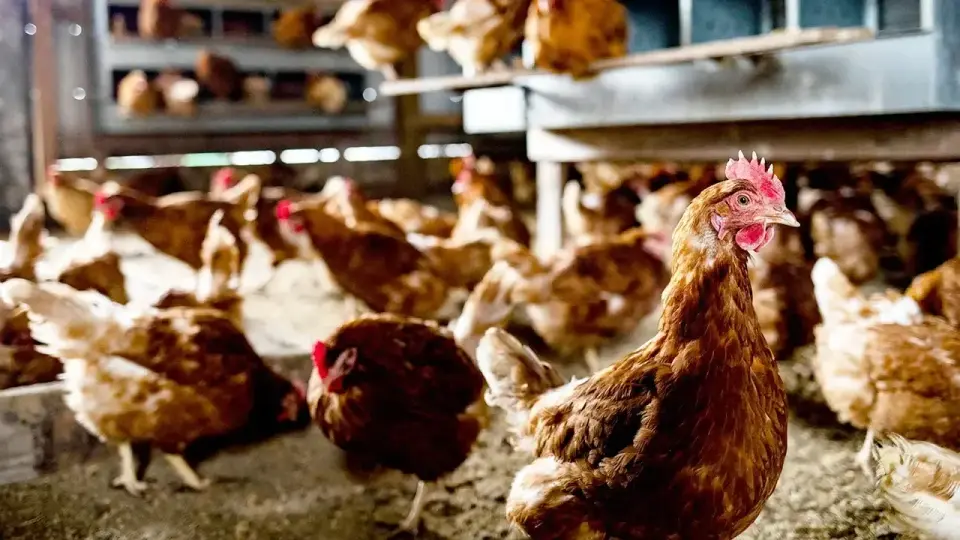
Wisconsin officials confirmed a highly pathogenic avian influenza (HPAI) case in a backyard poultry flock in Rusk County on Thursday, leading to the euthanasia of all birds on the property. While the state agency did not specify the infection source, it noted that H5N1 has circulated in North America since December 2021. This local outbreak occurs against a backdrop of rising national anxiety regarding H5N1, including a recent human death in Washington State and an uncontrolled outbreak at a Utah mink farm. Experts warn that the virus’s ability to infect mammals, particularly those with cellular structures similar to humans, poses potential pandemic risks, though current transmission remains limited to animal-to-human contact.
Key points
- The Wisconsin Department of Agriculture, Trade and Consumer Protection (DATCP) confirmed an HPAI case in a Rusk County backyard flock, resulting in the depopulation of all birds on the site.
- DATCP stated that the birds will not enter the food system and urged livestock owners to disinfect equipment, restrict animal access, and isolate new additions for 30 days.
- A 10-kilometer surveillance zone may be established, though surrounding poultry premises are not currently subject to movement restrictions.
- The confirmation follows a human death from H5N1 in Yakima County, Washington, earlier this month, marking the first US bird flu fatality of 2026.
- A concurrent H5N1 outbreak at a Utah mink farm has persisted for over two months without federal culling mandates, raising concerns about viral adaptation in species with human-like airways.
Background
This development is part of a broader trend of H5N1 circulation in North America since 2021. Recent months have seen increased scrutiny of the virus’s ability to infect mammals, including dairy cattle and fur-bearing animals. In October, Dutch authorities mandated a nationwide poultry lockdown after multiple outbreaks, while US officials have faced criticism for slow responses to mink farm infections. The current Wisconsin case highlights ongoing challenges in preventing transmission from wild birds to domestic flocks, particularly in backyard settings where biosecurity measures may be less rigorous.
How outlets are covering it
Fox News focuses on the immediate administrative response in Wisconsin, emphasizing the euthanasia of the flock and standard biosecurity advice from DATCP. Popular Mechanics and The Week provide a broader epidemiological context, highlighting the potential for H5N1 to mutate and jump to humans. They contrast the US’s limited regulatory response to the Utah mink farm outbreak with the rapid culling actions taken in countries like Finland and Spain. While Fox News presents the Wisconsin case as a contained agricultural issue, the secondary sources frame it within a larger narrative of pandemic risk, noting that mink lungs are cellularly similar to humans and that a single mutation could facilitate human transmission. All sources agree that current human-to-human transmission is not occurring, but they differ on the urgency of federal intervention.
Why it matters
The confirmation of H5N1 in a Wisconsin backyard flock underscores the persistent threat of avian influenza to domestic poultry and the importance of biosecurity measures. It also highlights the regulatory gaps in addressing the virus in non-poultry species, such as mink, which could serve as intermediaries for viral adaptation. As the virus continues to circulate in wild and domestic animals, the risk of a pandemic remains a concern for public health officials, particularly given the lack of a widely available human vaccine and the potential for the virus to mutate in mammalian hosts.
What to watch
Wisconsin officials will likely monitor the 10-kilometer surveillance zone for additional cases. DATCP will continue to advise livestock owners on biosecurity practices, including hand washing and equipment disinfection. Nationally, the situation at the Utah mink farm may prompt further scrutiny from federal agencies, though no immediate culling orders have been issued. Public health experts will continue to monitor for any mutations in the H5N1 virus that could facilitate human-to-human transmission, while maintaining that the current risk to the general public remains low.
- Highly contagious bird flu detected in Wisconsin as officials euthanize infected flock Fox News
- Humans Might Have a Serious Bird Flu Problem on Their Hands Popular Mechanics
- HPAI risks remain high during migration season Brownfield Ag News
- Avian flu affects 37,500 birds in Kansas in past month KSN.com
- A bird flu outbreak at a Utah mink farm could be a public health crisis The Week
Want the full story? Read the original reporting
Read on Fox News