
Why September Is the Strategic Window for Treating Melasma
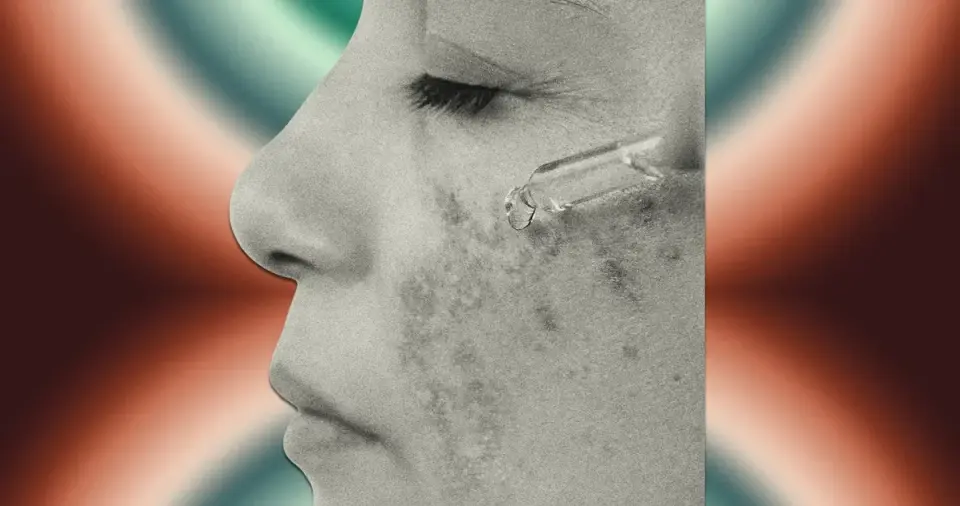
Melasma, a chronic pigment disorder triggered by UV exposure, heat, and hormones, is difficult to treat and prone to recurrence. Experts recommend starting a treatment regimen in September, after peak summer sun exposure, to manage the condition effectively. While hydroquinone is a gold-standard prescription treatment, over-the-counter options like azelaic acid, retinoids, and vitamin C can be effective if used gently. Aggressive exfoliation or heat-generating lasers can worsen pigmentation, so a consistent, gentle routine with daily broad-spectrum sunscreen is crucial for long-term management.
Key points
- Melasma is a pigment disorder causing brown or grayish-brown spots, often on the forehead, cheeks, or upper lip, triggered by UV exposure, heat, hormones, and genetics.
- It is notoriously difficult to fade and can recur months or years later, making it a chronic condition rather than a one-time issue.
- September is considered the optimal time to start treatment, as it follows peak summer sun exposure and allows for a gradual approach before winter.
- Hydroquinone is a prescription gold-standard but carries toxicity risks; non-hydroquinone alternatives like azelaic acid and kojic acid are effective for those who cannot tolerate it.
- Aggressive treatments like heavy exfoliation or heat-generating lasers can provoke inflammation and rebound pigmentation, so gentle, consistent care is preferred.
- A basic routine includes gentle cleansing, vitamin C or pigment-fighting serums in the morning, and retinoids or azelaic acid at night, always followed by broad-spectrum SPF 30-50 with iron oxides to block visible light.
Background
This briefing follows earlier discussions on consumer product quality and brand ownership, highlighting how specific skincare products like La Roche-Posay and SkinCeuticals are recommended for their efficacy in managing melasma. The focus on visible light and heat as triggers aligns with broader trends in skincare that address environmental and lifestyle factors beyond just UV exposure.
Why it matters
Melasma affects many individuals, particularly those with medium to deeper skin tones, and its chronic nature requires a long-term management strategy. Understanding the triggers and the importance of gentle, consistent treatment can help individuals avoid common pitfalls like over-exfoliation or using inappropriate laser treatments, leading to better outcomes and reduced frustration.
What to watch
Individuals should monitor their skin for six to eight weeks to assess initial improvement. If no change is observed, consulting a dermatologist for in-office treatments is recommended. Maintaining daily sun protection and a consistent skincare routine is essential to prevent recurrence, even after initial patches have faded.
Want the full story? Read the original reporting
Read on The Cut