A new review in the Journal of Cosmetic Dermatology finds that the evidence supporting collagen supplements for skin aging is methodologically flawed. While some studies show modest benefits, the authors argue that current data is biased and insufficient to recommend these products in clinical practice.
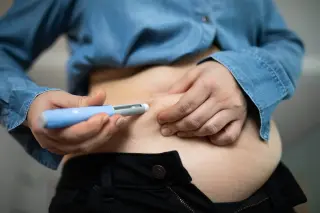
Two new studies presented at the 2026 European Academy of Dermatology and Venereology Congress in Vienna found that individuals taking GLP-1 receptor agonists for obesity or diabetes experience significantly higher rates of nail detachment and hair loss compared to non-users. While the association is strong, experts caution that rapid weight loss and nutrient deficiencies may be the primary drivers rather than the drugs themselves.
Researchers at UC Irvine have identified a benign condition called 'liposurfomas' in longtime Southern California surfers. These fatty chest lumps, caused by repetitive trauma from paddling, are often mistaken for cancer but can be treated with surgery or liposuction.
Two new studies presented at the European Academy of Dermatology and Venereology Congress indicate that users of GLP-1 receptor agonists, such as semaglutide and tirzepatide, experience significantly higher rates of hair loss and nail problems compared to non-users. While the findings show a strong association, experts emphasize that these issues may stem from rapid weight loss and nutritional deficiencies rather than the drugs themselves, and patients should not discontinue treatment without medical advice.
Artificial intelligence is reshaping dermatology services in the UK by accelerating skin cancer detection and reducing unnecessary procedures. At St Luke's Hospital in Bradford, the DERM system has increased patient throughput by one-third and cut unnecessary biopsies by 10%. A broader study presented in Vienna suggests autonomous AI could free up specialist time for over 8,500 additional appointments across two hospitals, addressing severe workforce shortages in dermatology.
A new study of nearly 2,000 people finds that GLP-1 weight-loss drug users are significantly more likely to experience nail detachment and hair loss than non-users. While the association is strong, experts caution that rapid weight loss and nutrient deficiencies, rather than the drugs themselves, may be the primary cause.
New non-peer-reviewed studies suggest GLP-1 medications may be associated with increased hair loss and nail detachment, though experts caution that rapid weight loss and nutritional deficiencies likely contribute to these side effects.
Approximately 20 million people in the US, UK, and EU use GLP-1 receptor agonists like semaglutide and tirzepatide for weight loss and diabetes. Recent data indicates that up to 20% of users experience hair shedding, often within the first year. While most cases involve temporary telogen effluvium linked to rapid weight loss or nutritional deficits, a smaller subset may face permanent pattern baldness. Broader surveys suggest over 60% of patients report aesthetic or muscle concerns, though causality remains unproven due to lack of controlled trials.
Researchers at Boston University found that applying the senolytic drug ABT-263 directly to the skin of aged mice reduced the accumulation of senescent cells and significantly improved wound healing rates. The study suggests that clearing damaged cells before an injury occurs may prime aging skin for a more robust repair response, potentially offering a future strategy for managing slow-healing wounds in older adults.
Melasma is a chronic pigment condition triggered by UV light, hormones, and heat that can recur and is slow to fade. The Cut’s guide recommends starting an at-home routine in fall: gentle cleansing, morning vitamin C or a pigment-correcting serum, and a broad-spectrum SPF with iron oxides; at night, a retinoid or non-hydroquinone option such as azelaic or kojic acid, plus a barrier-supporting moisturizer. Hydroquinone is prescription-only and not suitable for everyone; other OTC options can help. Expect initial improvement in about 6–8 weeks, with fuller fading over months and ongoing sun protection to prevent relapse. If home regimens stall after several months, a dermatologist may suggest gentle peels, microneedling, or non-ablative lasers, sometimes in combination with tranexamic acid, glutathione, or exosome therapies.
High sugar intake can accelerate skin aging through glycation, a process where sugars attach to collagen and elastin to form AGEs, making these proteins stiffer and less able to repair. This leads to wrinkles, sagging, dullness, and uneven texture. While diet plays a role, aging, sun exposure, pollution, smoking, genetics, and inflammation also influence glycation. Reducing added sugars and refined carbs, protecting skin from UV and pollutants, and maintaining overall health may help slow its visible effects.
A HuffPost Shopping roundup of nine scalp scrubs, endorsed by dermatologists, suggests that a weekly scalp exfoliation routine can improve scalp health, enhance circulation, reduce buildup, and boost the effectiveness of other hair-growth treatments, using formulas that range from sugar-based to chemical exfoliants with ingredients like rosemary oil, panthenol, glycerin, charcoal, and sea salt.
Dermatologists say body double cleansing is largely unnecessary and can strip the skin’s natural oils, so for most people one mild body wash daily is enough; a second cleanse may be useful after heavy sweating, swimming, very hot days or when sunscreen or products build up, but avoid two strong cleansers or pairing with scrubs, as this can dry or irritate skin and compromise the barrier—despite social-media hype and K-beauty influence.
Dermatologists say five common skin-care habits should be dropped for healthier skin, including loading the face with too many salves and serums, taking scalding hot showers, and popping pimples; for best results, stick to gentle cleansing, moisturizing, and broad-spectrum sunscreen.
A UK case report describes a mid-childhood boy who developed erythema ab igne ('toasted skin') after prolonged laptop use—sitting with a warm laptop on his abdomen up to eight hours daily, often while charging; the heat caused a lace-like reddish-brown rash that resolved after removing the heat source.