
health-and-beauty6 min read
Experts debunk myth that plucking grey hair causes more to grow
11 days ago•Source: Vogue Adria
View original source
The latest health and beauty stories, each synthesized from multiple sources with added background and context.

A long-standing beauty tip suggests that rinsing hair with cold water after conditioning enhances shine by smoothing the cuticle. While popular on social media, the scientific validity of this method remains debated, with experts questioning whether the effect is significant or merely a temporary visual illusion.

BuzzFeed•2 months ago
The Cut•2 months ago

As fall approaches, dermatologists recommend vitamin C to combat summer UV damage and oxidative stress. While it brightens skin and supports collagen, it is not a substitute for sunscreen. Experts advise selecting serums based on specific skin concerns, using opaque packaging to preserve active ingredients, and allowing eight to twelve weeks for visible results.

Collagen production naturally declines in the mid-to-late 20s, accelerating with environmental stressors like pollution and UV exposure. Dermatologists advise using topical ingredients to support skin matrix integrity, hydration, and firmness. Key active components include retinoids, vitamin C, peptides, niacinamide, growth factors, hyaluronic acid, ceramides, sunscreen, alpha hydroxy acids, bakuchiol, and PDRN. These ingredients function by stimulating synthesis, protecting against degradation, or improving the skin barrier. While prescription options exist, over-the-counter products are recommended for general maintenance, with caution advised for potent actives like retinoids and exfoliating acids to prevent irritation.

Age spots, or solar lentigines, result from prolonged UV exposure that causes melanocytes to overproduce pigment. While topical treatments like vitamin C, retinoids, and acids can gradually fade these marks, in-office procedures like lasers and chemical peels offer faster results. Experts emphasize that consistent daily use of tinted mineral sunscreen is critical to prevent new spots and protect against visible light, which standard sunscreens may miss. A 12-week commitment is necessary to see significant changes, and starting prevention in the mid-20s is recommended for those prone to hyperpigmentation.

Beverly Hills surgeon Dr. Ben Talei and Portland specialist Dr. Sean McNally assert that the cost of a facelift, ranging from $30,000 to over $300,000, does not guarantee superior results. While celebrity figures like Kris Jenner and Denise Richards have popularized high-cost procedures, both doctors emphasize that skill and patient trust matter more than price. Talei notes that expensive surgeries often reflect high demand or marketing rather than technical superiority, while McNally explains that regional overhead costs drive prices in major cities. Patients report that natural, subtle results are prioritized over dramatic changes, with some opting for mid-range surgeons to avoid the 'stretched' look associated with poor work. The consensus is that diligent research into a surgeon’s track record is more important than the fee structure.

Dermatologists and surgeons offer conflicting advice on wrinkle prevention. While Vogue emphasizes external protection and topical retinoids, Dr. Steven Gundry argues that internal gut health and nutrient absorption are more critical for natural collagen production.

Polydeoxyribonucleotide (PDRN), a DNA fragment primarily derived from salmon sperm, has emerged as the dominant anti-aging ingredient in 2026. Experts note it stimulates collagen and elastin production to reduce wrinkles and improve skin elasticity. The market has expanded from clinical injectables to over-the-counter serums, essences, and masks, with brands like Medicube and VT Cosmetics leading the charge. While some formulations use plant-based alternatives like ginseng, clinical-grade PDRN remains fish-derived. This trend reflects a broader shift toward science-backed, regenerative skincare over superficial cosmetic fixes.
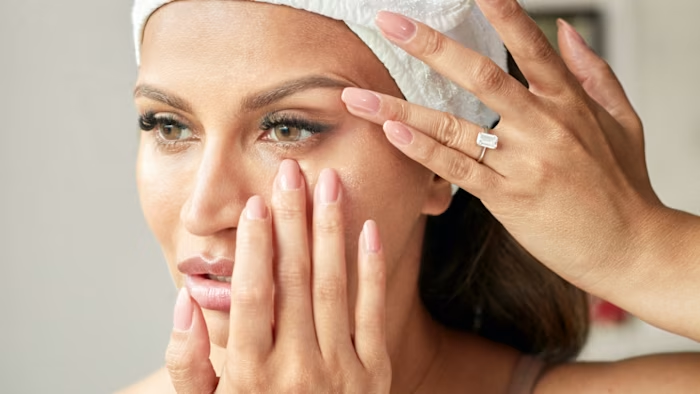
The article suggests that instead of opting for blepharoplasty, individuals should consider non-surgical eye treatments like targeted skincare products and devices to address common concerns such as puffiness, dullness, and skin laxity around the eyes, emphasizing the importance of consistent skincare routines for maintaining a youthful appearance.

Dermatologists warn against reusing washcloths due to bacteria buildup and recommend using disposable, plant-based Clean Skin Club towels for a hygienic and effective skin cleanse, which many users find improves skin health and reduces irritation.

The article discusses the rising trend of young women in their 20s and 30s opting for facelifts, driven by factors like filler fatigue and societal beauty standards, with procedures like the deep plane facelift becoming popular for facial restructuring and beautification, often performed abroad at a lower cost.

The article warns about the societal obsession with maintaining a youthful appearance, particularly the idea of a 'forever 35-year-old face,' highlighting the pressures and beauty standards that encourage constant skincare and cosmetic interventions to combat aging.