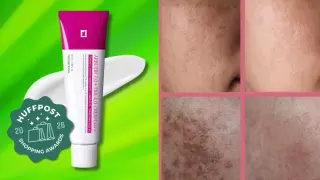
A HuffPost Shopping feature highlights Tosowoong’s brightening cream, a Korean formula with 7% arbutin and 4% tranexamic acid praised for helping with melasma and dark spots. It’s marketed as gentle on dry/sensitive skin and has been flagged as a fan favorite; currently on a 30% Lightning Deal on Amazon at $17.50 (down from $25) with reviews claiming gradual, noticeable skin tone improvement.
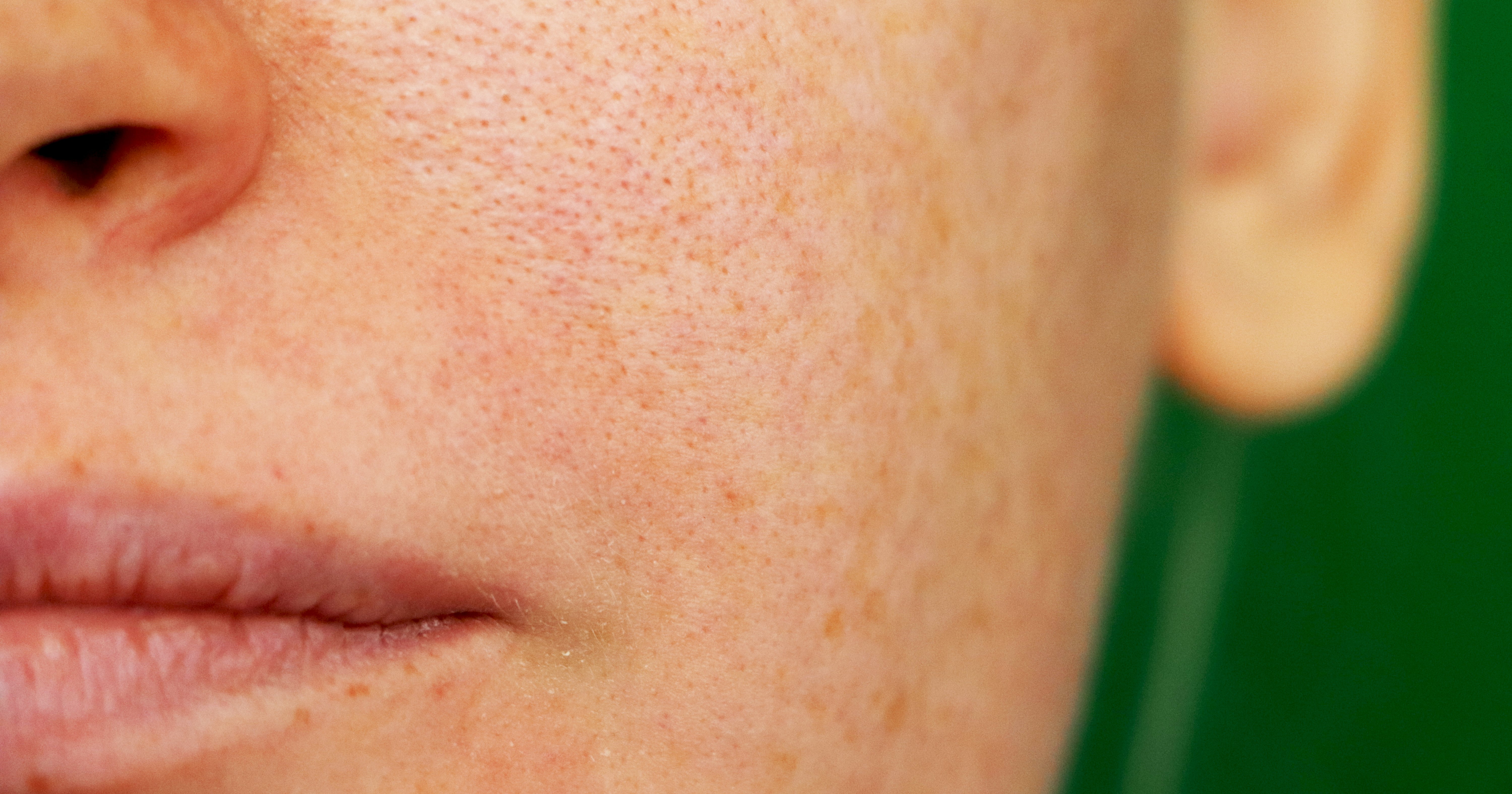
Dark spots aren’t one issue: dermatologists classify them as melasma, post-inflammatory hyperpigmentation, freckles, and sunspots, with causes ranging from hormones and inflammation to cumulative UV damage. For fading at home, use brighteners and exfoliants such as vitamin C, niacinamide, kojic/azelaic/tranexamic acids, glycolic/lactic/mandelic acids, and retinol or bakuchiol; some newer serums/pads target melanin production. For stubborn spots, in-office options like pigment-targeting lasers (BBL, Moxi, nanosecond/picosecond lasers), peels, or laser toning can be more effective. Hydroquinone remains a potent option when prescribed, though it can irritate skin if misused. Prevention is key: daily broad-spectrum SPF 30–50 (tinted sunscreens help with UVA and visible light) and protecting sun-exposed areas. Even with a good regimen, it can take 4–6 weeks to see improvement, and older sun damage may not fully fade with skincare alone.
Twinkle Khanna shared her experience with melasma, a common skin condition causing dark patches on the face, often triggered by sun exposure and hormonal changes. She emphasized the importance of sun protection, topical treatments, and consulting dermatologists for managing the condition, which can be emotionally challenging but is not harmful.
Melasma is a common pigmentation disorder that causes dark patches on the face, primarily affecting women between 20 and 40 years old. It is triggered by hormonal changes and sun exposure, but its exact cause is unknown. Treatment options include chemical peels, retinoids, and topical creams containing ingredients like hydroquinone, tretinoin, and corticosteroids. In-office treatments like chemical peels, microneedling, and laser treatments are also available. However, melasma cannot be cured completely and requires ongoing protection from the sun with the regular use of SPF.
Melasma is a common pigmentary skin condition characterized by darkened patches on the face, particularly the cheeks, forehead, and upper lip. It affects both men and women, but is more prevalent in women. The exact cause of melasma is still unknown, but hormonal changes, genetics, and sun exposure are believed to play a role. Hormones like estrogen and progesterone can increase melanin production, while UV rays trigger melanin production as a protective mechanism. Although there is no cure for melasma, there are various effective ways to manage and treat it.
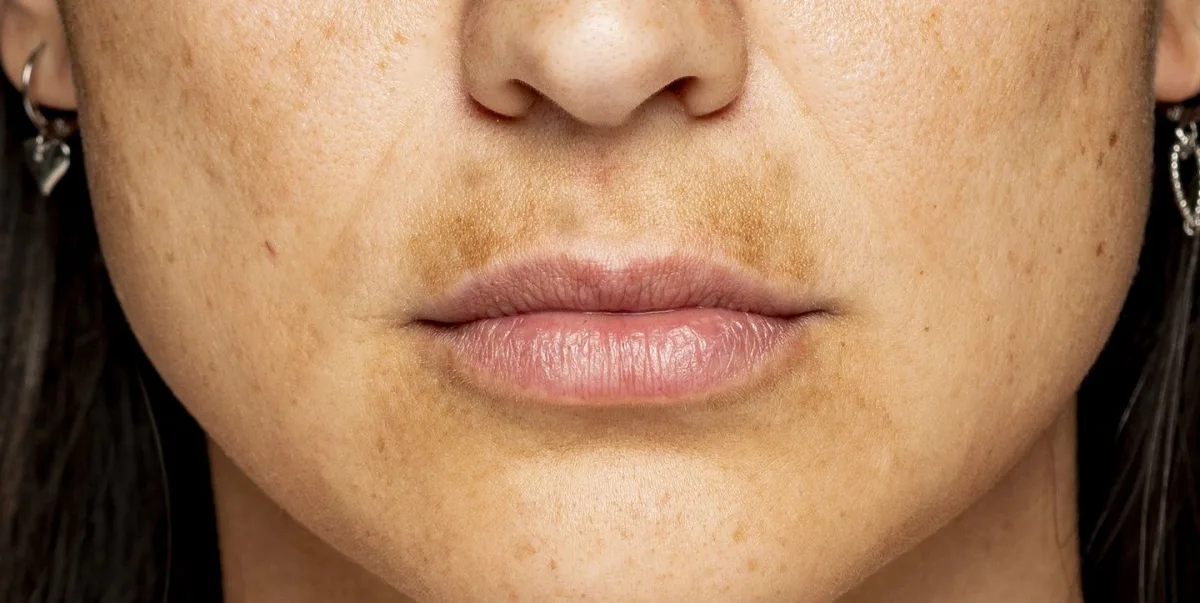
Melasma, a common skin condition characterized by darkened patches of skin, can be bothersome when it appears on the upper lip, resembling a "mustache." While the exact cause of melasma is unclear, hormonal changes and sun exposure are believed to be contributing factors. Treatment options for melasma mustache include working with a dermatologist to develop a personalized treatment plan, which may involve mild to intense treatments. Prevention strategies include the use of mineral sunscreens, sun-protective clothing, and supplements (with caution). It is recommended to consult a dermatologist for proper diagnosis and management of melasma.