
Crown Heights Realtor Mendy Lipsker Shares Post-Stroke Recovery Journey
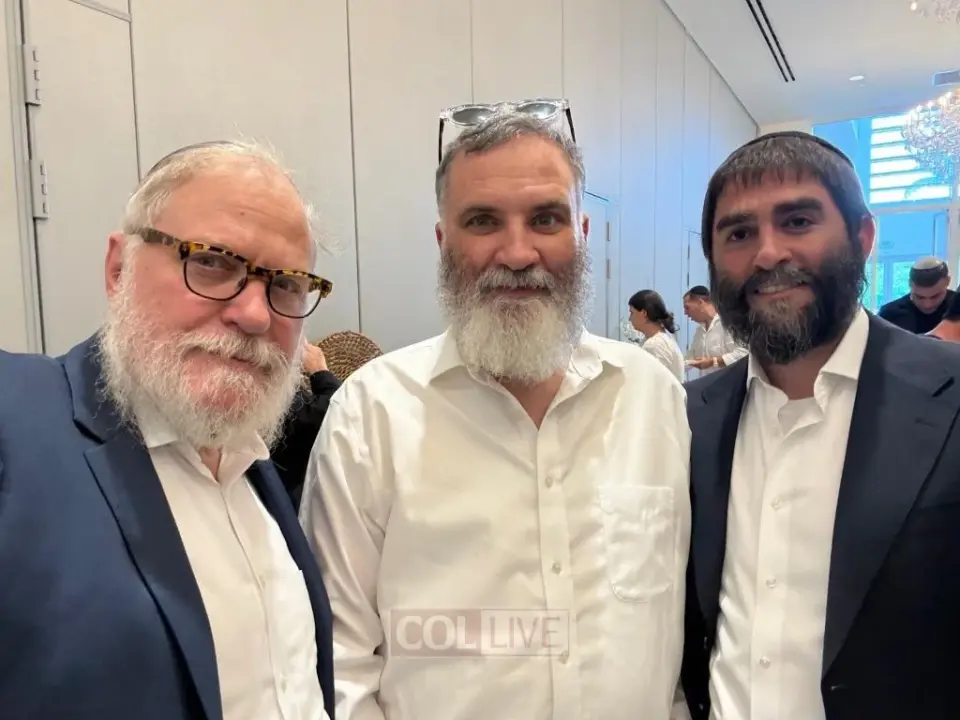
Mendy Lipsker, a realtor in Crown Heights, is sharing his personal experience recovering from a stroke suffered earlier in 2026. He emphasizes the role of modern technology, including AI and voice tools, in maintaining independence and dignity for individuals with neurological disabilities. Lipsker argues that the focus should shift from limitations to what people can still accomplish with the right support. He plans to share ongoing lessons on recovery, faith, and productivity over the coming weeks, highlighting that accepting physical help does not equate to surrendering one's independence.
Key points
- Mendy Lipsker suffered a stroke earlier in 2026, which significantly altered his daily life and perspective on recovery.
- He highlights how advancements in AI, voice technology, and accessibility tools are crucial for preserving independence and productivity for those with disabilities.
- Lipsker advocates for reframing the narrative from what a person can no longer do to what they can still achieve with appropriate technological and human support.
- He describes the challenge of accepting physical assistance while maintaining dignity, viewing it as a necessary step in the recovery process rather than a loss of autonomy.
- The article serves as the start of a series where Lipsker will share insights on recovery, faith, and business, aiming to support others facing similar neurological challenges.
Background
This article is part of a broader conversation within the Crown Heights community regarding health challenges and the integration of technology in daily life. Previous coverage in the area has touched on community support systems and the impact of health crises on local residents, but this piece specifically focuses on the personal narrative of a local professional navigating recovery through modern tools.
Why it matters
This story highlights the practical application of emerging technologies in healthcare and daily living, offering a real-world example of how AI and accessibility tools can empower individuals with disabilities. It shifts the discourse from deficit-based models to capability-based support, providing valuable insights for families, healthcare providers, and community members dealing with neurological conditions. By sharing his journey, Lipsker aims to normalize the use of assistive technology and foster a community of support around recovery and faith.
What to watch
Lipsker intends to publish additional articles in the coming weeks, detailing specific lessons learned from his recovery. These future pieces will likely cover topics such as the intersection of faith and physical limitation, the use of specific digital tools for productivity, and strategies for maintaining professional and personal relationships while managing a disability. Readers can expect a continued focus on practical advice and personal reflection rather than the launch of a formal organization or program.
Want the full story? Read the original reporting
Read on COLlive