
Warmer NC Waters Extend Season for Deadly Amoeba and Bacteria
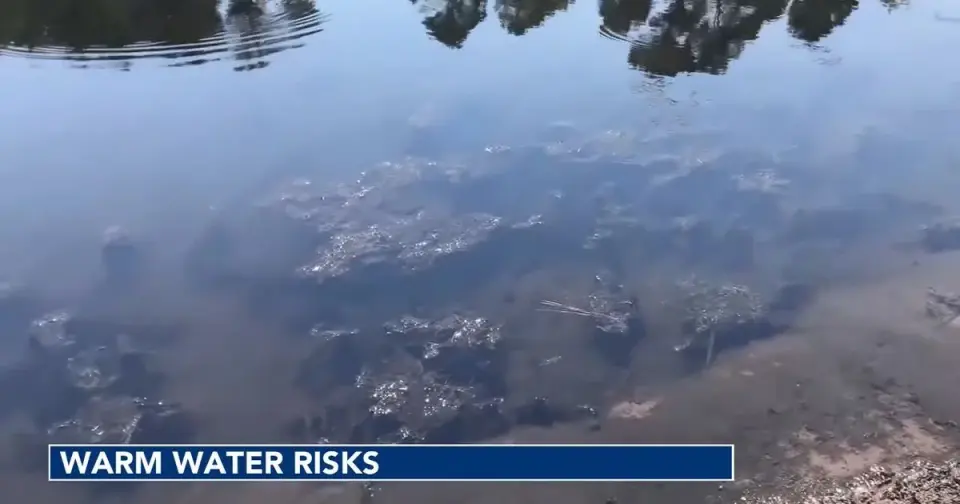
Recent deaths in North Carolina from rare amoeba and bacteria infections have prompted health officials to warn that rising temperatures are extending the season for waterborne risks. While Naegleria fowleri and Vibrio vulnificus remain extremely rare, warmer water conditions are increasing their prevalence. Experts advise caution, noting that most recreational sites still meet safety standards, but risks persist later in the year.
Key points
- A central North Carolina teen died from Naegleria fowleri, and two others died from Vibrio vulnificus this year.
- Warmer temperatures extend the window for harmful algae and microorganisms in lakes and rivers.
- Most recreational sites in the Triangle area passed recent water quality tests.
- Health officials recommend avoiding discolored water and keeping water out of noses.
- Water utilities are preparing for increased algae issues due to warmer climates.
Background
In August 2026, concerns arose over Vibrio vulnificus spreading due to warming seas, with cases reported in Louisiana, Florida, and Maryland. This followed earlier reports of a rare cyanobacteria bloom affecting Israeli desalination plants, highlighting the fragility of water supplies amid climate change. These events underscore the growing impact of warmer waters on waterborne pathogens.
How outlets are covering it
WRAL emphasizes the broader impact of climate change on water quality in North Carolina, noting that warmer temperatures extend the season for harmful algae and microorganisms. WUSF focuses on the specific risks of Naegleria fowleri in Florida, highlighting the 97% mortality rate and the importance of prevention measures like nose clips. WLBT stresses the role of nasal exposure, including neti pot use, in contracting the amoeba, while encouraging people not to fear swimming due to the rarity of cases. All sources agree on the need for caution but differ in their emphasis on regional risks and preventive measures.
Why it matters
As temperatures rise, the season for waterborne risks extends, affecting recreational activities and public health. Understanding these risks is crucial for preventing infections and ensuring safe water use. The increasing prevalence of these pathogens highlights the need for ongoing monitoring and public awareness.
What to watch
Health officials will continue to monitor water quality and issue warnings for algal blooms. Water utilities will implement measures to address increased algae issues. Public education campaigns will focus on preventive measures, such as avoiding discolored water and using sterile water for nasal rinses. Further research will aim to develop rapid diagnostic tests and treatments for these infections.
- From bacteria to harmful algae, warmer waters bring changing risks wral.com
- Burlington mom speaks out after teen dies from rare brain-eating amoeba ABC11 News
- North Carolina teen dies after contracting rare brain-eating amoeba found in freshwater: Officials ABC News - Breaking News, Latest News and Videos
- Jumping into the lake? Watch out for 'brain-eating' amoebas WUSF
- Doctors warn rare brain-eating amoeba can spread through common water habit WLBT
Want the full story? Read the original reporting
Read on wral.com