
Invasive Aedes aegypti mosquito detected in Davis County for first time
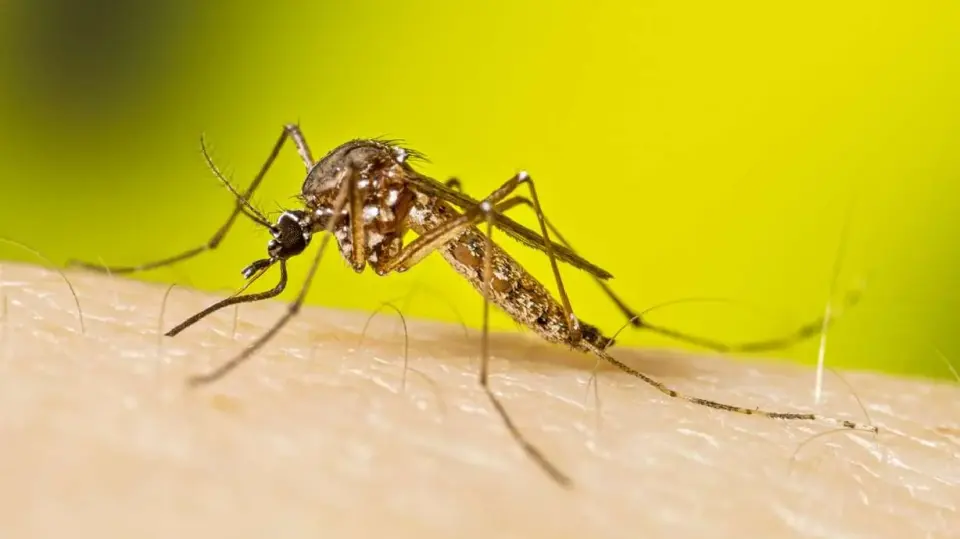
An invasive Aedes aegypti mosquito, known as the yellow fever mosquito, was detected in Clearfield, Utah, marking the first confirmed presence of the species in Davis County. The discovery, made during routine surveillance on October 8, has prompted local health officials to issue preventive measures and increase monitoring efforts. While the mosquito is a vector for diseases like Zika and dengue, officials note that its presence does not automatically indicate a higher risk of disease transmission, though it poses a greater risk than other local species due to its preference for human blood and daytime biting habits.
Key points
- Aedes aegypti mosquitoes were found at Bicentennial Park in Clearfield on October 8, 2026, the first time the species has been recorded in Davis County.
- The mosquito is native to Egypt and is a known vector for yellow fever, Zika, and dengue viruses, according to the European Centre for Disease Prevention and Control.
- Unlike other mosquitoes, Aedes aegypti prefers feeding on humans, bites during the day, and lays eggs in small amounts of standing water, making it more likely to spread viruses.
- Davis County Health Department officials advise residents to use EPA-registered repellents, wear long sleeves, and eliminate standing water to prevent bites.
- No additional cases have been found since the initial detection, but extra trapping and treatments will continue until colder weather arrives, according to Greg White of the Mosquito Abatement District-Davis.
Background
This detection follows a broader trend of invasive mosquito activity in the United States. In 2026, Florida experienced a significant surge in locally acquired dengue cases, surpassing 360 by October, with officials attributing the outbreak to climatic factors and the presence of Aedes aegypti. While the Davis County detection is isolated, it aligns with a national pattern where the expansion of this mosquito species is raising concerns about the potential for local transmission of tropical diseases in previously unaffected regions.
Why it matters
The presence of Aedes aegypti in Davis County highlights the expanding range of invasive mosquito species in the United States. While no disease cases have been reported, the mosquito's ability to transmit viruses like Zika and dengue locally could change if infected individuals are present. The detection underscores the importance of proactive mosquito control and public awareness to prevent potential outbreaks, particularly as climate conditions may continue to support the survival of these species in northern Utah.
What to watch
Health officials will continue monitoring and trapping efforts in Davis County until colder weather sets in. Residents are encouraged to report any sightings of small, dark mosquitoes biting during the day to the Mosquito Abatement District-Davis. The focus remains on preventing the establishment of a larger population, which could increase the risk of local disease transmission.
Want the full story? Read the original reporting
Read on KSL News