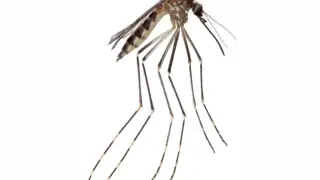
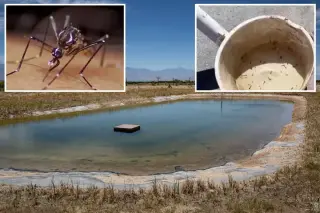
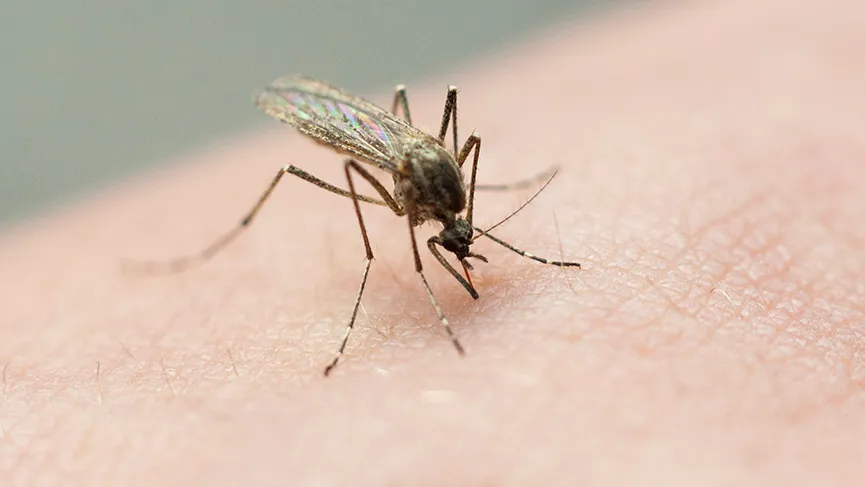
University of Florida researchers confirmed the first US presence of Aedes amateuri, a mosquito species previously known only from Mexico. Found in Arizona's Sky Islands, the insect may be spreading toward New Mexico. While it poses low immediate disease risk, experts warn it highlights a rising trend of invasive mosquito introductions.
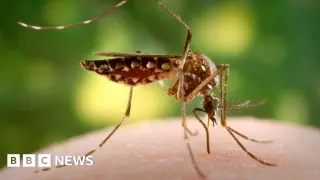
Aedes aegypti mosquitoes, which transmit dengue, Zika, and chikungunya, have been found breeding in East London for the first time in the UK. While the species has been detected before, this is the first instance of reproduction. UKHSA assesses the public risk as very low, noting no human infections and the species' inability to survive UK winters long-term.
Cascade County health officials confirmed Montana’s first human West Nile virus case for 2026, marking the county’s first infection since 2018. The case follows the detection of the virus in a mosquito pool southeast of Simms on August 21. While the infection appears locally acquired and isolated, officials warn that additional cases may occur before the end of mosquito season. Public health authorities emphasize that most infections are asymptomatic, but severe neurological complications can affect older adults and those with underlying health conditions.
New York City is seeing a surge in West Nile virus in mosquitoes, with 612 West Nile virus–positive mosquito pools detected by July 25—nearly double last year’s 326—prompting expanded mosquito surveillance and four targeted control operations. No human cases have been reported yet. Health officials remind residents to use EPA‑registered repellents, limit outdoor activity at dawn and dusk, repair screens, and remove standing water as part of the ongoing June–October transmission season.
A mosquito sample from the North Shore area of the Coachella Valley tested positive for West Nile virus, marking the season’s first detection. Officials are boosting mosquito surveillance and urging residents to prevent breeding and protect themselves from bites, with no human cases reported yet; older adults and the immunocompromised remain at higher risk.
Mosquitoes collected from traps in Wichita Falls, specifically in mosquito zone 13, have tested positive for Saint Louis Encephalitis (SLE). The Wichita Falls-Wichita County Public Health District's routine mosquito surveillance program identified the presence of certain mosquito species capable of spreading diseases. No human cases of SLE have been reported, but individuals experiencing flu-like symptoms after a mosquito bite are advised to contact healthcare providers. The Health District recommends following the Four D's to reduce the risk of infection: Dump/Drain standing water, use Deet insect repellent, Dress appropriately, and avoid outdoor activities during Dusk/Dawn. The Health District will continue mosquito control measures, including testing mosquitoes, treating standing water, and spraying when conditions permit.