
Climate Shifts and Global Trade Accelerate Mosquito-Borne Disease Spread
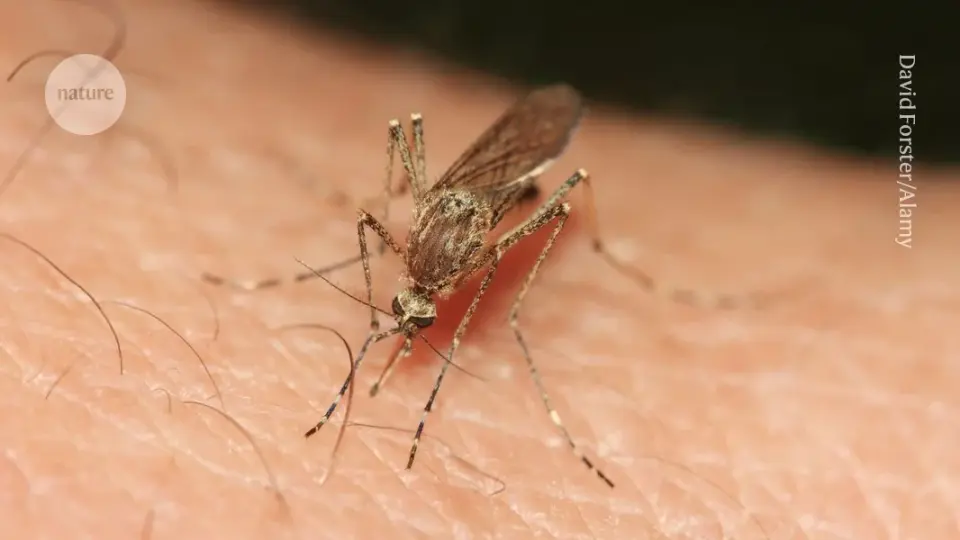
Mosquito-borne diseases are expanding globally as climate change and trade networks allow invasive species to colonize new regions. Recent data shows record malaria and dengue cases, with Europe facing rising risks from the Asian tiger mosquito.
Key points
- Malaria cases reached 282 million in 2024, causing 610,000 deaths, while dengue cases exceeded 14 million globally.
- The Asian tiger mosquito (Aedes albopictus) has spread to new areas in Portugal, France, and Greece between June 2025 and April 2026.
- Climate change is extending mosquito seasons in Europe, potentially making tropical diseases endemic in regions previously unaffected.
- Global trade networks, including used tires and live plants, have accelerated the introduction of 45 disease-vector mosquito species since the 15th century.
- Chikungunya outbreaks have occurred in over 100 countries, with recent cases in China, Italy, and France.
Background
Previous coverage has focused on geopolitical shifts and historical reconciliation, but the current trend highlights a biological threat driven by environmental and economic factors. Unlike political disputes, this issue involves the physical expansion of disease vectors into temperate zones, a shift noted in earlier discussions of global health infrastructure and climate impacts.
How outlets are covering it
Nature emphasizes the long-term historical trend of mosquito invasion, noting that 12 of 45 vector species have spread since 2000, driven by trade and climate. Wired focuses on the immediate European impact, highlighting how a 2-degree Celsius drop in transmission thresholds for chikungunya could make outbreaks common across the continent. While Nature cites global statistics, Wired details local outbreaks, such as the 199 dengue cases in Fano, Italy, in 2024, and notes that extreme heat in southern Europe may temporarily reduce mosquito populations, a nuance less emphasized in the global overview.
Why it matters
The expansion of mosquito habitats into temperate regions threatens public health systems in Europe and the Americas, where infrastructure may not be prepared for endemic tropical diseases. As climate change alters temperature and rainfall patterns, the window for disease transmission is widening, potentially leading to permanent local transmission rather than isolated outbreaks.
What to watch
Public health officials are monitoring mosquito populations and implementing control measures, such as releasing sterile male mosquitoes in Italy. Researchers expect continued northward migration of the Asian tiger mosquito, with potential year-round survival in some European regions. Ongoing surveillance and preparedness systems are critical to managing the risk of endemic disease transmission.
- How mosquitoes are conquering the world — in four charts Nature
- Tropical Diseases Like Dengue Fever and Chikungunya Are on the Rise in Europe wired.com
- Holiday warning as paralysing tropical viruses sweep Europe - map shows hotspots The Sun
- Travellers warned of fatal mosquito-borne illnesses after rise in UK cases Cotswold Journal
- Holiday hotspots where four rare diseases cause joint pains, fever and bleeding gums Daily Star
Want the full story? Read the original reporting
Read on Nature