How Disney World Keeps Mosquitoes Away — and Which Tricks You Can Copy at Home
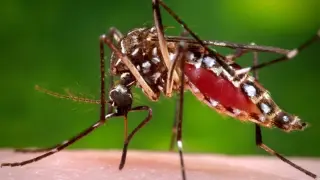
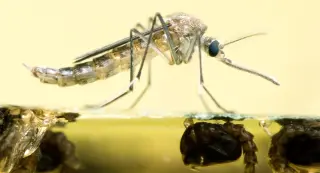
Disney World uses layered, engineering- and ecology-based methods to limit mosquitoes across its Florida properties, from curving roofs and heavy drainage to biological controls and low‑dose repellents. Homeowners can adapt many tactics: eliminate standing water, treat containers with larvicides, choose non‑puddling plants, try garlic sprays, and use traps or biological predators.