
Tampa Bay dengue outbreak hits 580 cases as Aedes aegypti eggs threaten winter spread
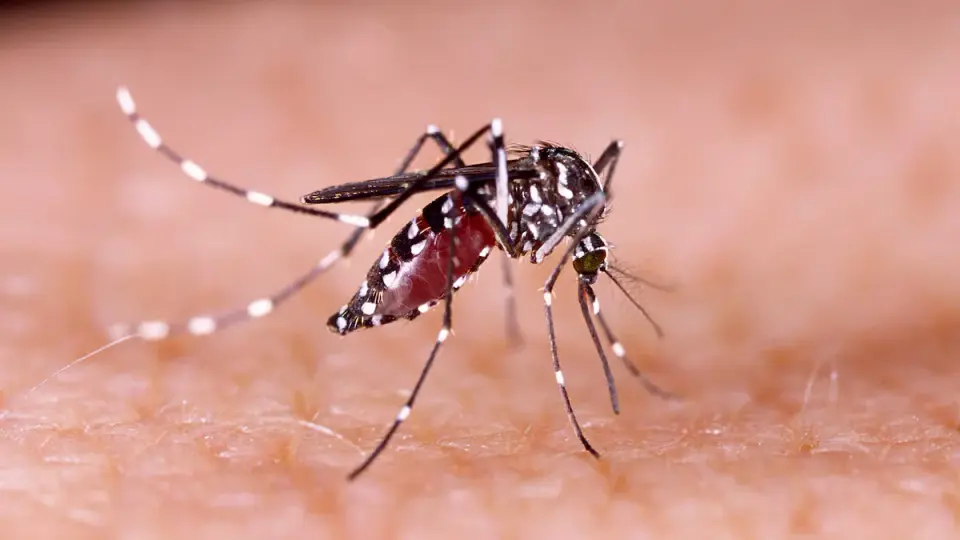
Florida’s dengue outbreak has reached historic levels, with over 580 locally acquired cases in the Tampa Bay area. The surge is driven by Aedes aegypti mosquitoes, which thrive in urban containers and bite during the day. Despite one fatality, Gay Small, officials warn that dormant eggs and incoming El Niño rains could sustain transmission through winter. Hillsborough County remains the epicenter, with 468 confirmed cases, while Pinellas County has surpassed 100. Control efforts rely on Bti spraying and public education, though experts note the virus may become a recurring threat in the U.S.
Key points
- Hillsborough County reports 468 confirmed dengue cases, making it the outbreak’s epicenter, while Pinellas County exceeds 100 cases and Pasco County reports six.
- Aedes aegypti mosquitoes are the primary vector, characterized by daytime biting, urban breeding in containers like tires and buckets, and the ability to lay eggs that survive months without water.
- Gay Small, an 80-year-old Tampa resident, died in September from dengue, the only fatality reported in the current outbreak; her family suggests a repeat infection may have worsened her condition.
- Counties have declared states of emergency and are using low-flying helicopters to spray Bti, a natural bacterium that targets mosquito larvae without harming humans or animals.
- Federal officials report that nearly half of Florida’s dengue cases required hospitalization, though most infections remain mild or asymptomatic.
- An El Niño-fueled wet winter is expected, raising concerns that dormant mosquito eggs could hatch and sustain transmission despite cooler temperatures.
Background
This outbreak follows a rapid escalation in 2026, with cases rising from 259 in Hillsborough County in early October to over 500 statewide by mid-November. Previous records for locally acquired dengue in the U.S. date back to the 1940s, making the current surge unprecedented in modern history. The outbreak has prompted significant public health responses, including $800,000 in CDC emergency funds and over $4.1 million in local mosquito control spending. While earlier cases were concentrated in Miami-Dade County, the epicenter has shifted to central Florida, particularly Hillsborough County, raising questions about changing transmission patterns.
How outlets are covering it
The Tampa Bay Times emphasizes the biological resilience of Aedes aegypti, highlighting how its eggs can survive months without water and how its daytime biting habits make it difficult to control. The New York Times focuses on the broader public health implications, noting that the outbreak may signal a permanent shift in dengue transmission in the continental U.S. and questioning why the epicenter has moved from Miami to Tampa. WFLA provides a data-driven perspective, detailing the rapid increase in cases across multiple counties and the specific strain distribution (DENV-2 and DENV-3). All sources agree on the severity of the outbreak but differ in emphasis: the Times focuses on the mosquito’s behavior, the NYT on long-term trends, and WFLA on current case counts and geographic spread.
Why it matters
The outbreak highlights the growing threat of mosquito-borne diseases in urban areas and the challenges of controlling resilient vectors like Aedes aegypti. It underscores the need for improved public health infrastructure, including better mosquito surveillance and control methods. The potential for dengue to become a recurring issue in the U.S. has significant implications for healthcare systems, public policy, and climate change adaptation strategies. Additionally, the outbreak has raised concerns about the impact of property tax cuts on public services, including mosquito control, as noted by the New York Times.
What to watch
Officials will continue monitoring mosquito populations and dengue cases through winter, with a focus on preventing the hatching of dormant eggs. Public health campaigns will emphasize the importance of eliminating standing water and using insect repellents. Researchers will investigate the reasons for the shift in the outbreak’s epicenter and the increase in local transmission. Federal and state agencies may allocate additional resources for mosquito control and disease surveillance. The CDC will continue to track cases and provide guidance to local health departments. Long-term strategies may include improved vaccine development and anti-viral drug research, as current treatments are limited to managing symptoms.
- Meet the mosquitoes behind Tampa Bay’s dengue outbreak Tampa Bay Times
- 61 more dengue fever cases reported in Hillsborough County; 11 cases in Orange County Bay News 9
- Her Death From Dengue May Signal That the Disease Is Here to Stay The New York Times
- A Senior's Death in Florida May Be a Dengue Omen Newser
- Pinellas County surpasses 100 Dengue fever cases; Florida total over 600 WFLA
Want the full story? Read the original reporting
Read on Tampa Bay Times