
Five-Point Bodyweight Benchmark Offers Practical Fitness Check for Adults Over 50
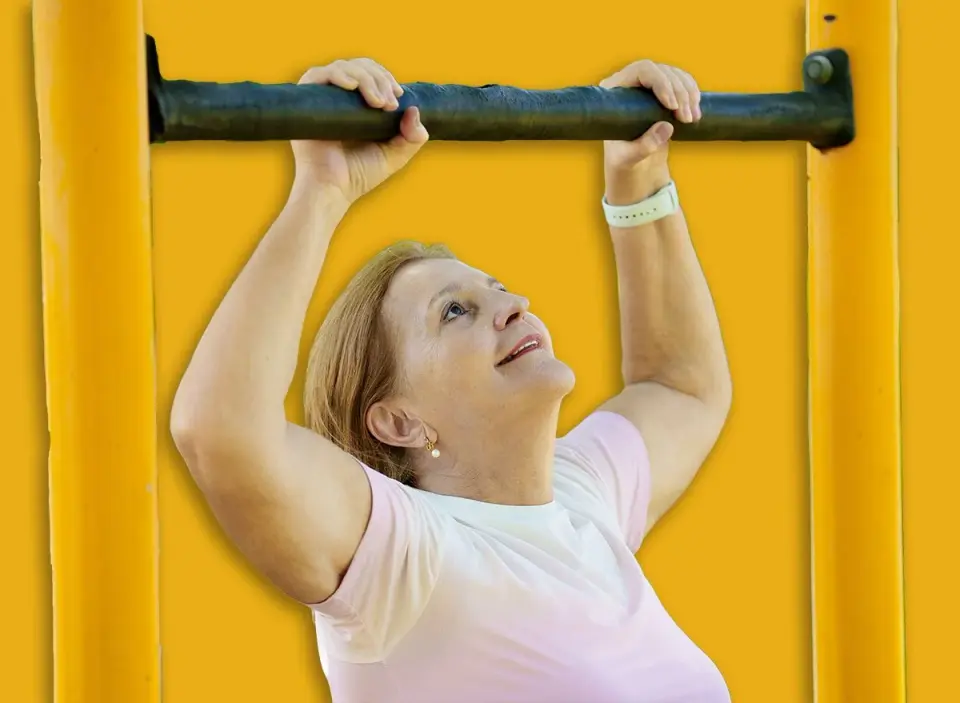
A new fitness benchmark for adults over 50 focuses on five bodyweight exercises to assess relative strength and functional capability. The test includes 20 push-ups, 5 pull-ups, 25 squats, 10 walking lunges per leg, and a 20-second single-arm plank. Experts emphasize that mastering these movements without equipment builds the foundational strength necessary before adding external load, offering a clear, accessible metric for physical health in midlife.
Key points
- The five-move test targets upper-body push/pull, lower-body endurance, and core stability using only bodyweight.
- Standards include 20 push-ups, 5 pull-ups, 25 bodyweight squats, 10 walking lunges per leg, and a 20-second single-arm plank hold.
- Achieving all standards indicates strong relative strength and body control, which are key indicators of fitness in people over 50.
- Progressions are recommended for those who cannot yet meet standards, such as using inclines for push-ups or assistance for pull-ups.
- The test serves as a periodic benchmark to track progress and identify specific areas needing improvement, rather than a medical diagnostic tool.
Background
Recent coverage in our archive highlights a growing emphasis on bodyweight and functional strength for older adults. In August 2026, a geriatric kinesiologist recommended five standing moves to combat sarcopenia and reduce fall risk in those over 60. In September 2026, experts detailed core routines beyond crunches, and in October 2026, fitness pros confirmed that while walking is valid, it must be complemented by strength training for comprehensive fitness. These earlier reports establish a consistent theme: functional, equipment-free strength is critical for aging well, providing the background for the new five-move benchmark.
How outlets are covering it
The primary source, Eat This Not That, frames the five-move test as a direct assessment of 'relative strength' and functional capability, emphasizing that bodyweight mastery should precede adding external load. It positions the test as a practical, self-administered benchmark for progress. In contrast, the secondary source from PhillyVoice takes a broader longevity approach, citing Harvard and Stanford studies that link specific lifestyle habits—such as 150 minutes of weekly exercise, strength training twice weekly, and a Mediterranean diet—to adding eight disease-free years to life. While Eat This Not That focuses on the mechanics of strength testing, PhillyVoice emphasizes the holistic behavioral and environmental factors necessary for long-term health. The third source, Yahoo Creators, appears to be a technical error page and offers no substantive content for comparison. The outlets differ in scope: one provides a specific fitness test, while the other offers a comprehensive lifestyle playbook for aging.
Why it matters
As people age, maintaining functional strength becomes critical for independence and disease prevention. This bodyweight test offers a simple, accessible way for adults over 50 to assess their physical capabilities without gym equipment. By identifying gaps in strength or stability, individuals can tailor their training to address specific weaknesses, potentially reducing fall risk and improving overall quality of life. The emphasis on relative strength aligns with broader medical guidance that prioritizes functional fitness over maximal lifting for older adults.
What to watch
Individuals are encouraged to take the five-move test as a baseline and revisit it after several weeks of training to track progress. Those who cannot meet the standards should use the recommended progressions, such as incline push-ups or assisted pull-ups, to build strength gradually. Regular reassessment helps ensure that training remains effective and targeted. Additionally, integrating these bodyweight exercises into a broader routine that includes aerobic activity and proper nutrition, as suggested by longevity experts, can maximize health benefits.
- If You Can Complete These 5 Bodyweight Exercises After 50, Your Fitness Age Is 10 Years Younger Eat This Not That
- Adopting healthy habits at 50 can lead to a longer, disease-free life. Here's a playbook to get started PhillyVoice
- Movement Span: The Third Key to Longevity thestreet.com
- A longevity doctor says everyone should start doing these 5 things at age 50. (I'm 49 — and I'm listening) Yahoo Creators
- The Retirement Plan Your Body Needs: Muscle, Movement & Longevity After 50 thestreet.com
Want the full story? Read the original reporting
Read on Eat This Not That