
Seven Evidence-Based Strategies to Protect Cyclists from Winter Illness and Injury
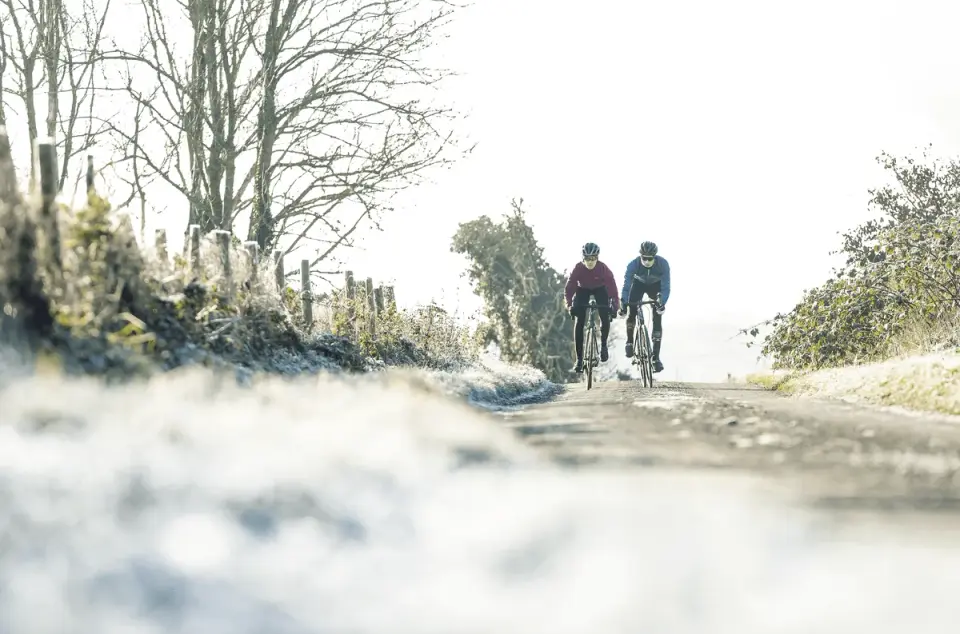
Cyclists face heightened risks of illness and injury in winter due to cold exposure, reduced sunlight, and indoor crowding. Experts recommend covering the face to protect airways, taking probiotics to maintain immune-supporting amino acids, stretching to prevent tendon tears, supplementing with vitamin D, practicing strict hygiene, limiting alcohol, and maintaining regular riding to support lymphatic flow.
Key points
- Covering the mouth and nose with a balaclava or buff reduces cold-induced exercise bronchoconstriction and helps preserve the ability to fight inhaled viruses, according to Dr. Michael Kennedy of the University of Alberta.
- Probiotic supplementation may prevent the drop in tryptophan levels caused by high-intensity training, which is linked to upper-respiratory tract infections; a study at Innsbruck University found placebo users had 2.5 times more infection symptoms than those taking probiotics.
- Cold weather stiffens tendons and muscles, increasing injury risk; regular stretching, particularly of the legs and lower back, improves blood flow and flexibility to prevent strains.
- The NHS recommends a daily 10 microgram vitamin D3 supplement for all adults from October to March to support immune function and bone health during low-sunlight months.
- Hygiene protocols, such as fist bumping instead of handshaking and keeping toilet lids closed when flushing, can reduce exposure to pathogens, as noted by former British Cycling doctor Richard Freeman.
- Alcohol suppresses T-cells and impairs nutrient absorption and sleep, weakening immunity; cyclists should also maintain hydration as cold air increases fluid loss through heat exchange and lung humidification.
Background
This advice aligns with broader trends in sports medicine emphasizing preventive health measures during off-seasons. While recent archive articles focus on military resilience and sports injuries, the current briefing highlights individual physiological strategies for cyclists to mitigate seasonal health risks without relying on external institutional support.
Why it matters
Winter presents unique physiological challenges for cyclists, including respiratory stress, immune suppression from intense training, and increased infection risk from indoor crowding. Implementing these evidence-based steps can help maintain performance, reduce downtime from illness, and ensure athletes are physically prepared for the competitive season, avoiding the pitfalls of reduced mobility and weakened defenses.
What to watch
Cyclists should begin implementing these strategies immediately as temperatures drop, focusing on consistent vitamin D supplementation, probiotic intake, and regular low-intensity riding to maintain lymphatic function. Monitoring for respiratory symptoms and adjusting training intensity based on immune response will be crucial in the coming months.
Want the full story? Read the original reporting
Read on BikeRadar