
Holding a Glute Bridge for 60 Seconds After 55 Indicates Elite Core Stability
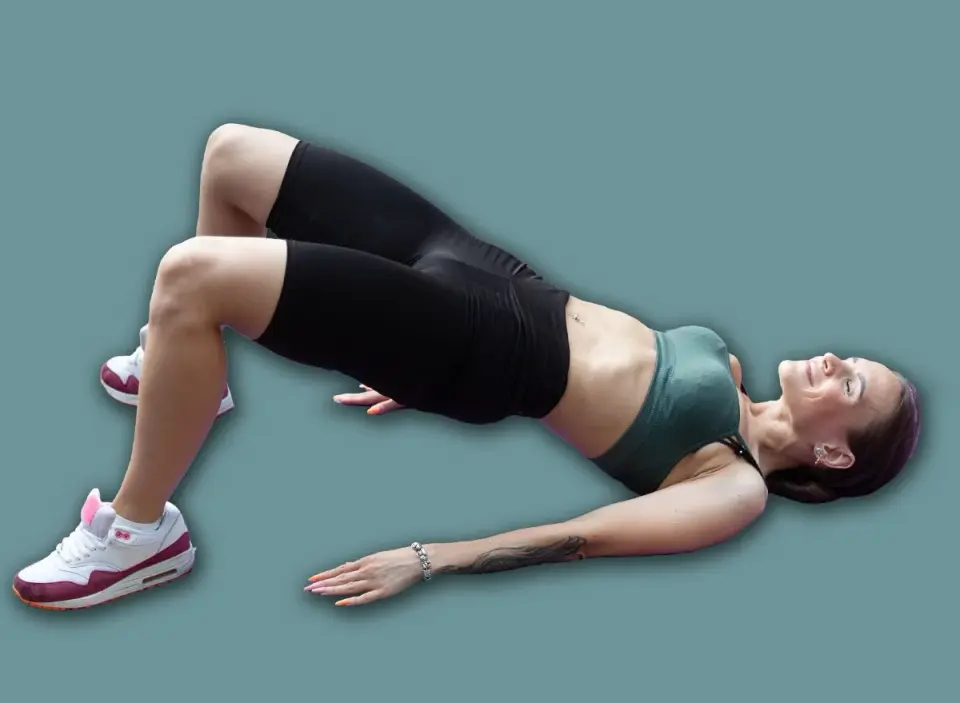
Fitness experts suggest that holding a glute bridge for 30 to 60 seconds after age 55 demonstrates strong core and glute endurance. Exceeding 60 seconds signals above-average hip stability, outperforming most peers. This isometric movement stabilizes the spine and pelvis, offering functional benefits for balance and fall prevention.
Key points
- A glute bridge hold of 30 to 60 seconds is a benchmark for solid glute and trunk endurance in adults over 55.
- Holding the position for more than 60 seconds indicates excellent muscular endurance and above-average hip stability.
- The exercise functions as an isometric anti-extension movement, engaging the transverse abdominis, obliques, and lower back to stabilize the pelvis.
- Strong glutes and core help with daily tasks like standing from a chair, climbing stairs, and maintaining balance to prevent falls.
- Progressive overload, increasing hold time gradually, is more important than hitting a specific time target.
Background
Recent coverage has highlighted the importance of hip and glute strength for older adults. In August 2026, a single-leg bridge hold of 30 seconds was noted as a sign of hip endurance for those over 60, linking stronger hip abductors to lower fall risk. Other articles emphasized that knee pain often stems from weak glutes, recommending bridges and clamshells as preventive measures. Additionally, standing core routines were promoted as low-impact ways to improve functional fitness and target abdominal fat after age 60.
Why it matters
As muscle mass and endurance naturally decline with age, maintaining core and glute strength becomes critical for functional independence. The glute bridge serves as a low-impact, accessible test for spinal stability and pelvic control. Achieving these hold times can indicate a reduced risk of falls and improved ability to perform daily activities, such as rising from a seated position or navigating stairs, without difficulty.
What to watch
Individuals should focus on proper form and progressive overload, gradually increasing the time under tension each week. While specific percentile studies for older adults are lacking, consistent practice and retesting every few weeks can help track improvements in muscular endurance and hip stability.
Want the full story? Read the original reporting
Read on Eat This Not That