
Experts say minimal strength training yields major health and longevity gains
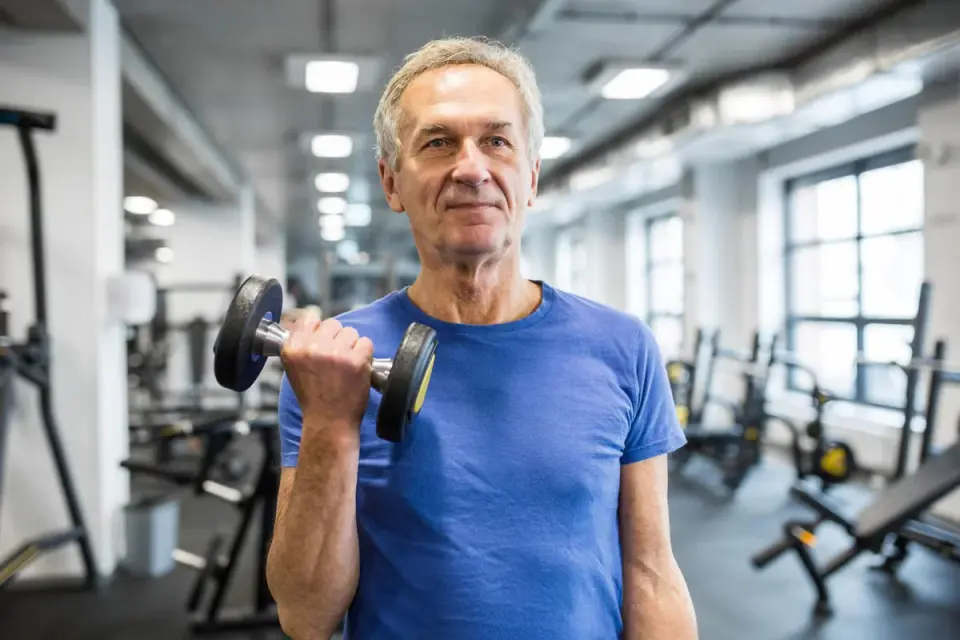
Dr. Brad Schoenfeld states that just two short weekly workouts can significantly improve body composition and strength, noting that it is never too late to start, even at age 90. Recent research supports this, showing that 90 minutes of weekly resistance training reduces cardiovascular death risk by 19%, while older women can safely lift heavy weights to improve mobility and reduce fat.
Key points
- Dr. Brad Schoenfeld, a muscle growth expert with over 400 published papers, advises that two short weekly strength sessions are sufficient for beginners to see results.
- A study in the British Journal of Sports Medicine found that 90 to 119 minutes of weekly strength training lowers all-cause mortality risk by 13% and cardiovascular death risk by 19%.
- Research led by Juezhen Zhang showed that postmenopausal women aged 52 to 84 safely increased their deadlift capacity from 45 to 58 kg over 24 weeks, improving balance and mobility.
- Dr. Anthony Taylor emphasizes that strength training preserves bone density and cognitive function, which is critical for patients using GLP-1 weight-loss medications that may cause muscle loss.
- Experts recommend combining aerobic exercise with resistance training for optimal health, with combined activity linked to up to a 45% lower risk of death.
Background
Previous coverage in August 2026 highlighted the importance of consistency for aging muscles, noting that training major muscle groups twice weekly helps preserve lean mass. Earlier guides also emphasized that simple, progressive overload routines are effective for building muscle at home or in the gym, reinforcing the current consensus that high volume is not required for health benefits.
How outlets are covering it
The Independent highlights the low barrier to entry, citing Dr. Schoenfeld’s view that minimal time investment yields significant results. The Sacramento Bee focuses on epidemiological data, quantifying the mortality risk reduction associated with 90 minutes of weekly training. New Scientist provides a practical application for older women, detailing a specific study where hexagonal barbell deadlifts improved mobility without adverse events. Vero News offers a clinical perspective, linking strength training to cognitive health and bone density, particularly for those on weight-loss drugs. While all sources agree on the benefits of resistance training, they differ in emphasis: The Independent and Sacramento Bee focus on longevity and efficiency, New Scientist on functional mobility for the elderly, and Vero News on holistic health including mental sharpness.
Why it matters
These findings challenge the notion that extensive gym time is necessary for health benefits. By demonstrating that modest, consistent strength training can significantly reduce mortality risk, improve cognitive function, and enhance mobility in older adults, the research provides a practical, accessible path to extending 'health span' rather than just lifespan.
What to watch
Health organizations are likely to continue promoting the current federal guidelines of 150 minutes of moderate aerobic exercise plus two weekly strength sessions. Clinicians may increasingly prescribe resistance training alongside GLP-1 medications to mitigate muscle loss. Future research may focus on the specific types of resistance training that offer the greatest cognitive and longevity benefits.
- How strength training can overhaul your health in just an hour a week The Independent
- Weightlifting makes older women leaner, stronger and more mobile New Scientist
- Strength training can help you feel and think better as you age Vero News
- Strength training for 90 minutes a week cuts cardiovascular death risk by 19%, Researchers say Sacramento Bee
- Scientists have found the ‘strength training’ sweet spot for a longer life – here’s the formula to follow Runner's World
Want the full story? Read the original reporting
Read on The Independent