
The $3 Billion Wellness Industry Turning IV Vitamin Drips Into a Luxury Lifestyle
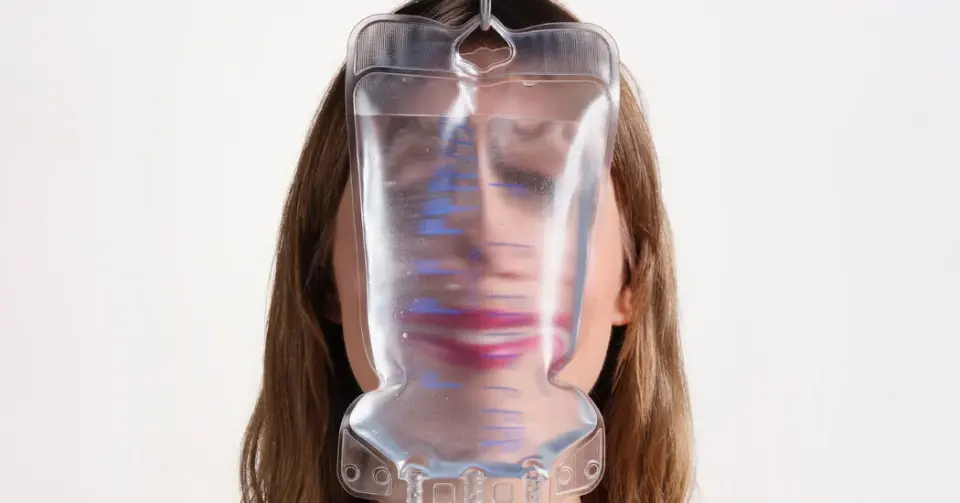
Intravenous vitamin drip therapy, once a strictly medical procedure, has evolved into a multi-billion-dollar wellness trend. Celebrities and influencers promote these treatments as essential for vitality, driving a cultural shift where needles are viewed as symbols of proactive health rather than medical necessity. The New York Times reports that this market, valued at nearly $3 billion globally, now includes thousands of providers offering services for general wellness rather than specific ailments.
Key points
- The global IV drip therapy market has grown to nearly $3 billion, with thousands of providers offering treatments for general wellness rather than specific medical conditions.
- Cultural attitudes toward needles have shifted; procedures like IV drips, Botox, and microneedling are now seen as signs of proactive flourishing rather than signs of illness.
- High-profile figures, including Gwyneth Paltrow, Chrissy Teigen, and Harry Styles, have promoted IV drips on social media, normalizing the practice for the general public.
- The New York Times notes that individuals now seek these treatments without specific health concerns, viewing them as a way to 'solve problems' or enhance well-being.
- A single IV drip session can cost around $350, reflecting the premium pricing of these 'social wellness clubs' that resemble high-end salons or cabarets.
Background
This trend follows a broader cultural shift toward preventative and aesthetic health interventions. Previously, needles were associated with fear and medical necessity, but recent years have seen a rise in 'wellness tourism' and luxury health services. The normalization of procedures like Botox and GLP-1 injections has paved the way for IV therapy to become a mainstream consumer product, often marketed through social media and influencer partnerships.
Why it matters
The commercialization of IV therapy reflects a growing consumer demand for preventative health solutions that promise enhanced vitality without addressing underlying medical issues. This shift raises questions about the efficacy of these treatments and the potential for over-medicalization of everyday wellness. As the market expands, it influences public perception of health, potentially encouraging spending on unproven therapies while diverting attention from evidence-based medical care.
What to watch
The IV drip market is likely to continue expanding as more wellness clinics adopt these services and celebrity endorsements normalize the practice. Regulatory scrutiny may increase as the industry grows, particularly regarding the safety and efficacy of non-medical IV treatments. Consumers may face more choices in 'social wellness clubs,' but debates about the cost-benefit ratio of these treatments will likely persist.
Want the full story? Read the original reporting
Read on The New York Times