
Patient recounts 16-hour brain surgery where surgeons accidentally dropped his skull
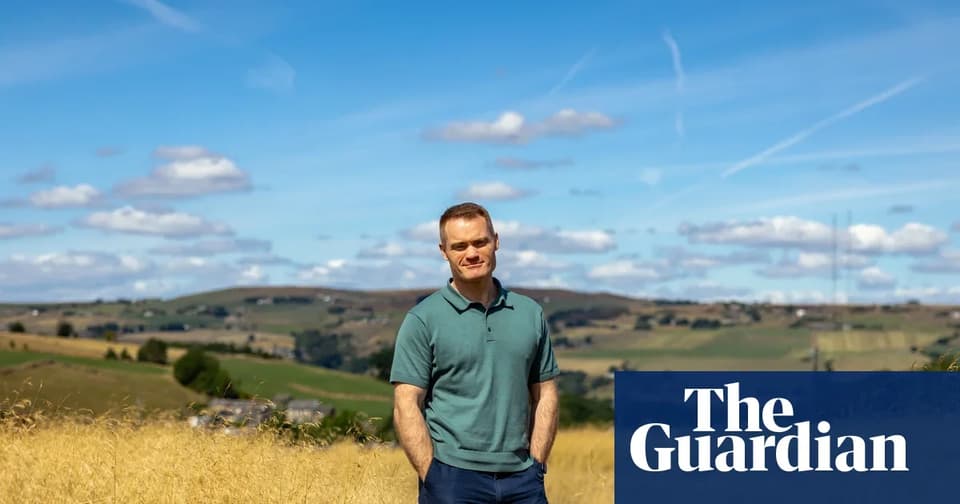
Tom Park-Paul, a 34-year-old gym-goer, suffered a ruptured arteriovenous malformation (AVM) in 2017, initially misdiagnosed as a bruised spine. After his partner, an ICU nurse, insisted on a CT scan, a massive brain bleed was discovered. He underwent a complex 16-hour surgery to remove the AVM, during which surgeons accidentally dropped his skull on the floor. The skull was cleaned and reinserted with antibiotic treatment. Park-Paul recovered, though he retains some proprioception issues in his left foot, and now views the incident with humor.
Key points
- Initial symptoms included numbness in the left leg and a 'pop' sensation while using a chest press in May 2017.
- St Thomas’ Hospital initially discharged him, believing it was a bruised spine, and lost his MRI images due to staffing issues.
- His partner, Luke, an ICU nurse, demanded a CT scan at a follow-up, revealing a massive brain bleed and an AVM.
- The AVM was rated 4 out of 6 on the Spetzler-Martin scale, typically considered too risky for removal, but surgery was attempted due to his young age.
- The 16-hour operation involved three neurosurgeons and resulted in the accidental dropping of the patient's skull on the floor.
- The skull was cleaned and reinserted immediately, with extra antibiotics prescribed to prevent infection.
Background
Recent research highlights the skull's role in immune surveillance, identifying bone marrow niches that may help fight brain cancer, though this is distinct from the mechanical and surgical challenges described in Park-Paul's case. Additionally, studies on functional neurological disorder emphasize the importance of accurate diagnosis, contrasting with the initial misdiagnosis Park-Paul faced. While early-life sugar restriction has been linked to lower dementia risk, it does not directly relate to acute vascular events like AVMs.
Why it matters
This case illustrates the critical importance of second opinions and advanced imaging in diagnosing complex neurological conditions. It highlights the risks and complexities of removing high-grade AVMs, even when considered too risky by standard metrics, and underscores the resilience of patients and the human element in medical errors. The outcome provides evidence that larger AVMs can be successfully removed, potentially influencing future surgical decisions.
What to watch
Park-Paul continues to manage residual proprioception issues but has integrated the experience into a positive life narrative. The case is now used by the consultant neurosurgeon as evidence for the feasibility of removing larger AVMs. No further medical developments are reported for Park-Paul, but the case serves as a reference in neurosurgical discussions.
Want the full story? Read the original reporting
Read on The Guardian