
Walnuts Top Dietitian’s List for Plant-Based Brain Health
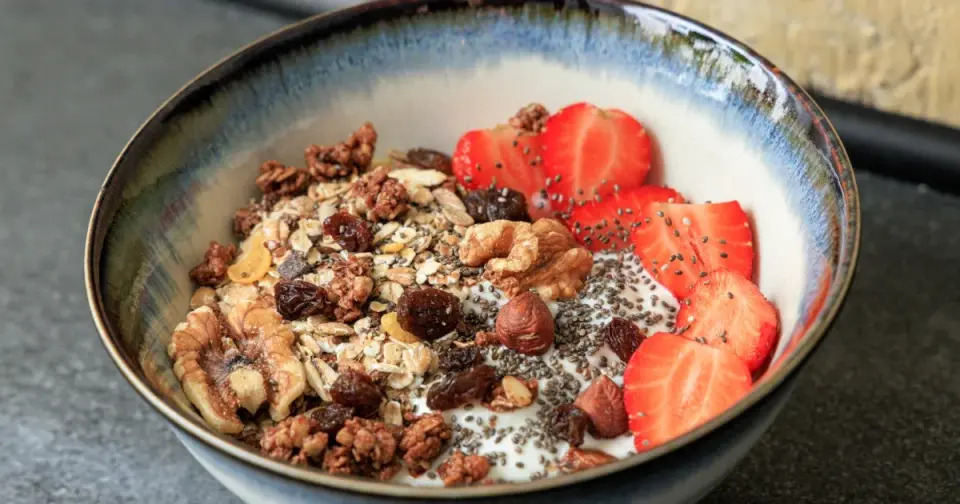
Registered dietitian Natalie Rizzo identifies walnuts as the premier plant-based protein for brain health, citing strong research links to reduced Alzheimer’s risk and improved cognition. While walnuts offer only 4g of protein per ounce, their anti-inflammatory omega-3s and fiber support neural function. Other top picks include black beans and chia seeds, which provide additional antioxidants and fiber to combat inflammation, a key driver of cognitive decline.
Key points
- Natalie Rizzo, a registered dietitian and TODAY nutrition editor, ranks walnuts as the number one plant-based protein for brain health due to extensive research linking them to cognitive preservation.
- A 1-ounce serving of walnuts provides 4 grams of protein and 2 grams of fiber, along with anti-inflammatory omega-3 fatty acids that support vascular and heart health.
- Rizzo emphasizes that inflammation in the brain is a primary culprit in cognitive decline, making anti-inflammatory plant foods like walnuts, black beans, and chia seeds critical for neural protection.
- Black beans and kidney beans offer 7 grams of protein and 8 grams of fiber per half-cup, plus anthocyanins, which are antioxidants with anti-inflammatory properties similar to those found in berries.
- Chia seeds provide 5 grams of protein and 11 grams of fiber per ounce, along with plant-based omega-3s, and can be prepared as a pudding topped with antioxidant-rich berries for added brain benefits.
Background
Recent coverage in our archive highlights a broader trend in dietitian recommendations for plant-based proteins tailored to specific health goals. In July 2026, experts emphasized tempeh, beans, and oats for gut health, noting the importance of fiber and probiotics. Earlier that month, black beans, almonds, and hemp seeds were highlighted for heart health, focusing on LDL cholesterol reduction. A broader August 2026 piece noted that no single protein suits all goals, suggesting a Mediterranean-style approach that mixes legumes, fish, and dairy for overall wellness. Additionally, a July 2026 feature identified walnuts as the richest fruit source of plant-based omega-3s, though it noted the body’s limited conversion of ALA to EPA/DHA, reinforcing the need for diverse dietary sources.
Why it matters
As cognitive decline becomes a major public health concern, dietary choices are increasingly scrutinized for their impact on brain inflammation. Rizzo’s recommendation shifts focus from sheer protein content to the synergistic benefits of anti-inflammatory compounds, fiber, and healthy fats found in plant sources. This aligns with growing evidence that reducing systemic inflammation may mitigate age-related cognitive issues, offering a practical, accessible strategy for maintaining brain health through everyday food choices.
What to watch
Consumers may increasingly seek out walnuts, black beans, and chia seeds as staple ingredients for brain-protective diets. Nutritionists may continue to emphasize the role of anti-inflammatory compounds in preventing cognitive decline, potentially leading to more research on specific plant-based nutrients and their long-term effects on neural function. The focus on plant-based proteins may also drive innovation in food products designed to combine high protein with anti-inflammatory benefits.
Want the full story? Read the original reporting
Read on TODAY.com