
UK Study Warns Plant-Based Dairy Swaps Risk Iodine Deficiency in Youth
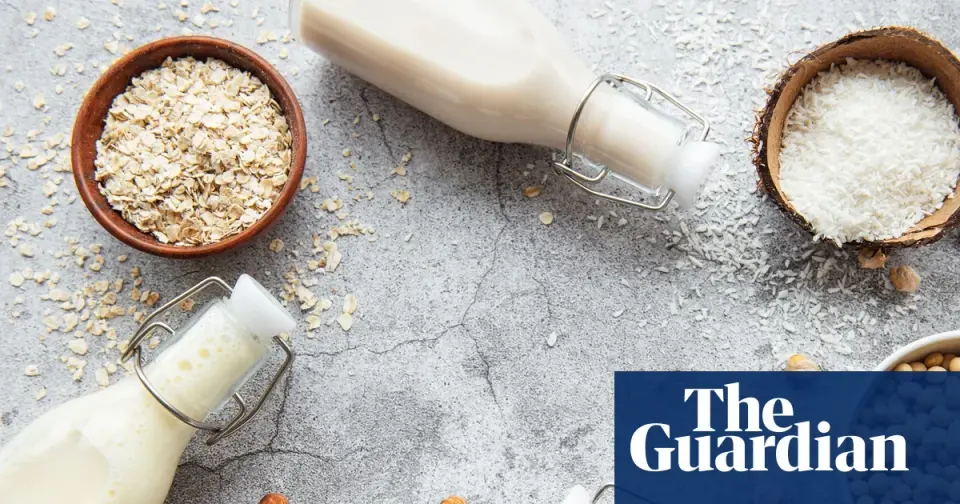
A new study published in The Lancet Planetary Health finds that replacing dairy with plant-based alternatives in the UK could significantly increase micronutrient deficiencies, particularly iodine, among young people and women. Researchers from the University of Surrey and Queen’s University Belfast analyzed over 3,500 individuals and found that even partial substitution of milk, cheese, and yoghurt leads to drops in iodine, calcium, riboflavin, and vitamin B12. The study highlights that while some brands fortify their products, there is no legal requirement for this in the UK, leaving many consumers at risk. Full substitution could raise iodine deficiency rates to 80% in teenage girls and 72% in teenage boys. Experts recommend mandatory fortification or the use of iodized salt to mitigate these risks, noting that iodine is critical for thyroid function and brain development, especially during pregnancy and adolescence.
Key points
- Replacing 25-33% of dairy intake with unfortified plant-based alternatives increases iodine deficiency prevalence from 54% to 65% in adolescent girls and from 32% to 42% in women aged 19-49.
- Full substitution of dairy with plant-based products could lead to inadequate iodine intake for 80% of teenage girls and 72% of teenage boys.
- Only 19% of non-dairy milks and 12% of plant-based cheeses in the UK market are fortified with iodine, despite 61% containing added calcium.
- The study recommends compulsory fortification of plant-based substitutes or the addition of iodine to bread to prevent nutrient declines.
- Iodine is essential for thyroid hormone production, metabolism, and brain development, with higher requirements during pregnancy and childhood.
Background
Recent coverage has highlighted the growing popularity of plant-based foods, including anti-inflammatory proteins like walnuts and chia seeds, and comparisons between dairy and plant-based yogurts. While some brands like Alpro and Oatly already fortify their products, the lack of universal regulation creates a gap in nutrient intake. This study builds on earlier discussions about the nutritional trade-offs of shifting away from traditional dairy, emphasizing that overall diet quality matters but specific micronutrients like iodine are often overlooked in plant-based transitions.
How outlets are covering it
The primary source, The Guardian, emphasizes the health risks for young women and women of childbearing age, citing Dr. Sarah Bath’s concerns about iodine’s role in brain development. The secondary source, Dairynews.today, highlights the broader policy implications, noting that while fortification helps, it does not fully eliminate deficiency risks without additional measures like iodized bread. Dr. Katie Nicol from Queen’s University Belfast stresses the need for government action to ensure nutritional policy aligns with environmental goals. Industry representatives, including from Danone and Oatly, point to existing fortification practices in their core ranges, while dietitians like Nichola Ludlam-Raine advise consumers to check labels and diversify iodine sources through foods like white fish and eggs. The Telegraph source was inaccessible due to a security block, so no additional perspective could be synthesized from it.
Why it matters
As plant-based diets grow in popularity, the lack of mandatory fortification in the UK could lead to widespread micronutrient deficiencies, particularly iodine, which is critical for thyroid function and cognitive development. This is especially concerning for pregnant women and adolescents, who are already at higher risk for inadequate intake. Without policy changes or consumer awareness, the shift away from dairy could exacerbate public health issues related to nutrient gaps, potentially affecting long-term health outcomes for vulnerable populations.
What to watch
Researchers and public health experts are calling for mandatory fortification of plant-based dairy substitutes with iodine and other key micronutrients. They also suggest that adding iodine to bread could help reduce deficiency rates. Consumers are advised to check product labels for fortification and consider alternative iodine sources like white fish, eggs, and dairy if they consume them. Future policy discussions may focus on balancing environmental goals with nutritional needs to ensure that plant-based diets do not compromise public health.
- Swapping from dairy to plant-based milk, cheese and yoghurt ‘could lead to micronutrient deficiencies’ The Guardian
- Dropping milk to go vegan is bad for you, study warns The Telegraph
- Replacing dairy products with unfortified plant-based alternatives could lead to deficiencies in certain nutrients Medical Xpress
- Switch from dairy to plant-based products ‘carries health risks’ The Times
- Queen’s study: Dairy replacement could raise iodine deficiency 80% in girls, 72% in boys Dairynews.today
Want the full story? Read the original reporting
Read on The Guardian