
Experts warn GLP-1 weight-loss boom threatens global insulin supply
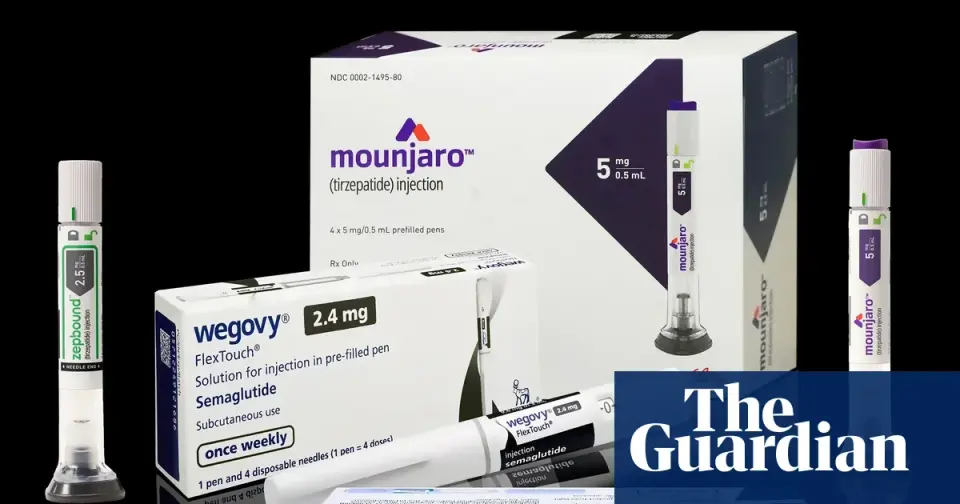
The Access to Medicine Foundation warns that the pharmaceutical industry's intense focus on lucrative GLP-1 weight-loss drugs is diverting resources away from essential insulin production. This shift risks destabilizing supply chains for type 1 diabetes patients, particularly in low- and middle-income countries where access to these medications remains limited. While GLP-1s were originally developed for type 2 diabetes, their massive market for obesity treatment has created higher profit margins, leading some firms to phase out older insulin products.
Key points
- The Access to Medicine Foundation reports that pharmaceutical companies are prioritizing GLP-1 weight-loss medications over insulin due to higher profit margins and greater demand.
- Novo Nordisk has announced plans to phase out certain older diabetes products, including insulin pens, raising concerns about potential exits from the insulin market by major firms like Eli Lilly and Sanofi.
- GLP-1 medications are not registered in many lower-income countries, and where available, high prices and lack of equitable pricing measures make them inaccessible to most patients.
- The foundation’s biennial report found that only 10 of 25 medications in development target type 1 diabetes, with most focusing on type 2 diabetes or obesity.
- Global diabetes affects 589 million adults, 81% of whom live in low- and middle-income countries, yet access to basic insulin remains critical and threatened by industry shifts.
Background
Recent developments in the GLP-1 market include Eli Lilly raising its 2026 revenue outlook to $92 billion due to strong demand for Mounjaro and Zepbound, while Novo Nordisk faces competition from new oral formulations. Additionally, the FDA recently mandated new labeling for GLP-1 drugs citing rare vision loss risks, and experts have highlighted concerns about muscle preservation during weight loss. These trends underscore the industry's rapid expansion into weight-loss treatments, which aligns with the current warning about resource diversion from insulin.
Why it matters
The shift in pharmaceutical focus threatens the stability of insulin supply for millions of type 1 diabetes patients, especially in vulnerable regions. If major firms exit the insulin market, it could lead to shortages and increased costs, exacerbating global health inequities. This highlights the tension between profitable weight-loss innovations and essential chronic disease treatments.
What to watch
Regulators and health organizations may scrutinize pharmaceutical companies' decisions to phase out insulin products. There could be increased pressure for equitable pricing and access measures for GLP-1 drugs in low- and middle-income countries. The industry may face calls to balance innovation in weight loss with sustained investment in essential diabetes treatments.
Want the full story? Read the original reporting
Read on The Guardian