
Op-ed urges US-China cancer research ties despite geopolitical tensions
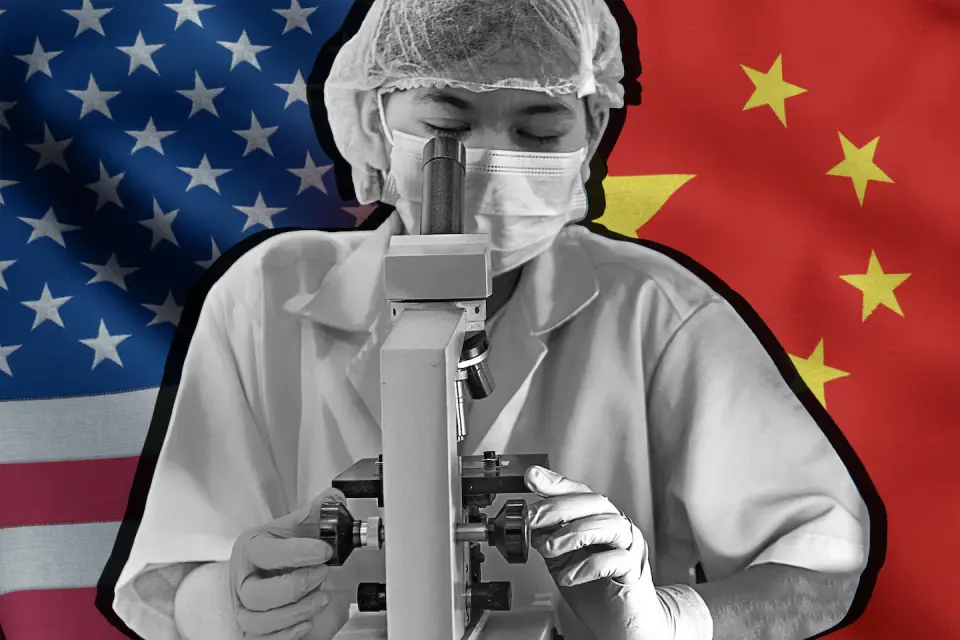
Lizzi Lee and Jennifer Kwan argue that the US and China should collaborate on cancer research despite strategic mistrust, noting that such cooperation could benefit patients and mirror existing bilateral talks on AI safety.
Key points
- Lee and Kwan suggest that cancer research is a viable area for US-China cooperation, even amid broader geopolitical tensions.
- They note that the two governments are already holding bilateral talks on AI safety, showing that rivals can manage shared problems.
- The authors argue that cancer patients should not have to travel abroad to access effective treatments, implying that joint research could improve access and outcomes.
- The op-ed was published ahead of a meeting between President Trump and President Xi Jinping in Washington, where trade, AI, and national security were also on the agenda.
Background
Recent developments in cancer treatment, such as the Moderna-Merck cancer vaccine, have highlighted the potential of advanced medical technology to overcome public resistance to new science. Additionally, global perceptions of China have shifted, with some countries showing increased favorability toward Beijing, though the US remains the preferred partner for economic ties. These trends underscore the complex dynamics of international cooperation in science and health.
Why it matters
Collaboration between the US and China in cancer research could lead to faster development of treatments, improved patient outcomes, and reduced costs. It also demonstrates that even geopolitical rivals can find common ground in addressing shared global challenges, such as disease and health crises.
What to watch
The outcome of the Trump-Xi meeting may influence whether formal agreements or frameworks for scientific collaboration, including in cancer research, are established. Future bilateral talks on AI safety and other technical areas may also set precedents for broader scientific cooperation.
Want the full story? Read the original reporting
Read on The Washington Post