
Poll: 68% of Americans reject link between childhood vaccines and autism
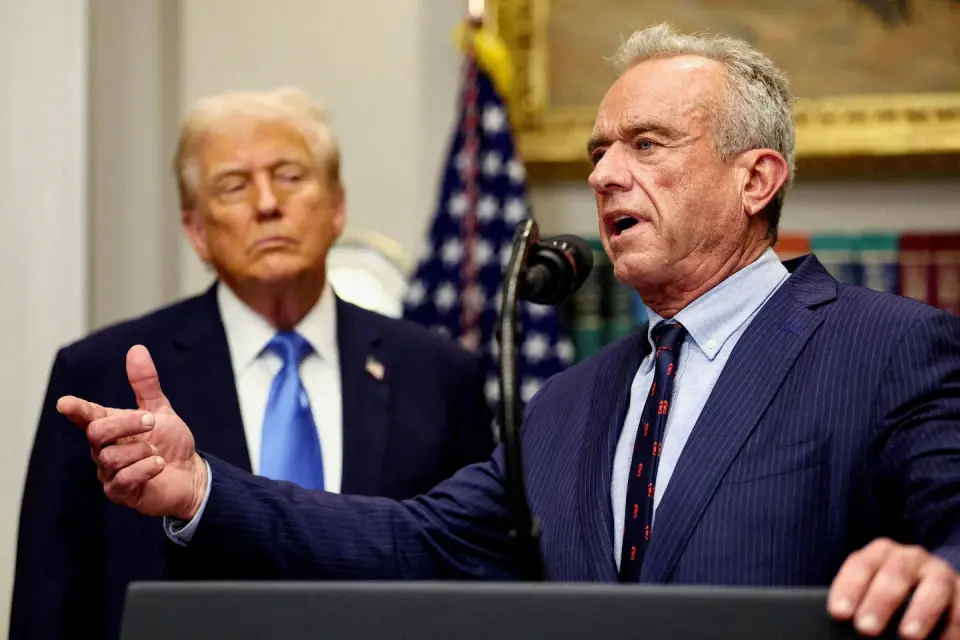
A new poll indicates that nearly 70% of Americans do not believe childhood vaccines cause autism, despite recent skepticism from administration officials. The data shows public opinion has remained stable since 2022, with 13% agreeing with the claim and 19% unsure. This finding contrasts with recent statements by Health Secretary Robert F. Kennedy Jr. and President Trump regarding vaccine safety and scheduling.
Key points
- The Annenberg Public Policy Center poll of 1,904 adults found 68% believe the statement that vaccines cause autism is false.
- Only 13% of respondents agreed that vaccines cause autism, while 19% were unsure.
- These percentages have remained consistent since 2022, aligning with guidance from the American Academy of Pediatrics.
- President Trump recently directed that the MMR vaccine be split into separate doses, claiming the combined version could be lethal.
- Health Secretary Robert F. Kennedy Jr. claimed vaccines cause various health conditions at a conference for Children’s Health Defense.
- Only 23% of Americans view Kennedy favorably, and 40% are unsure of his position on measles vaccination.
Background
This poll arrives amid heightened political debate over vaccine safety. In September 2026, Trump’s nominee for surgeon general, Dr. Nicole Saphier, faced scrutiny during a Senate hearing where she affirmed that there is no credible evidence linking vaccines to autism. Earlier in the month, Trump proposed splitting vaccines into five doses, a move experts criticized as scientifically unfounded. Background analysis suggests that rising autism diagnoses are largely due to broader diagnostic criteria and increased awareness rather than vaccine exposure, highlighting the disconnect between scientific consensus and recent political rhetoric.
Why it matters
The stability of public opinion suggests that despite aggressive political messaging and policy proposals from the administration, the majority of Americans maintain trust in the safety of childhood vaccines. This resilience in public belief is critical for maintaining immunization rates during ongoing measles outbreaks and for countering misinformation that could undermine public health infrastructure.
What to watch
The administration may continue to pursue policies that separate vaccine components or challenge existing safety guidelines. Public health officials and medical associations are expected to continue emphasizing the safety and efficacy of combined vaccines to counteract political claims. Future polls will likely track whether these policy shifts and public statements influence the current consensus or lead to increased uncertainty among the 19% of Americans who remain unsure.
Want the full story? Read the original reporting
Read on The Washington Post