Trump backs study urging narrower vaccine guidance
Former President Donald Trump endorses a study advocating narrower vaccine guidance, signaling a shift in U.S. vaccination policy debates and how public health recommendations may be framed.
All articles tagged with #vaccine policy

Former President Donald Trump endorses a study advocating narrower vaccine guidance, signaling a shift in U.S. vaccination policy debates and how public health recommendations may be framed.

FDA withdrew the publication of safety studies on COVID-19 and shingles vaccines after authors drew broad conclusions not supported by the underlying data, a move the agency says preserves scientific integrity; the piece also notes vaccine-policy shifts tied to RFK Jr.’s stance, while health officials reiterate that vaccines remain safe and effective.

A UNC-Chapel Hill study of all 50 states found 31 strengthened COVID-19 vaccine infrastructure/access, 13 weakened it, and five did both during April–December 2025, amid missing federal guidance. States used standing orders, insurance directives, executive actions, and legislation to shape access; many expanded pharmacist vaccination authority and issued their own recommendations, with 28 states no longer relying solely on CDC guidance as of January 2026. The paper warns continued state-level policy divergence could determine how vaccines are accessed until a stable national framework is established.

The White House nominated Erica Schwartz, a former deputy surgeon general and Coast Guard veteran, to lead the CDC to restore stability after a year of leadership turnover and vaccine-policy fights under HHS Secretary Robert F. Kennedy Jr., aiming for swift confirmation and a reset ahead of the midterms.

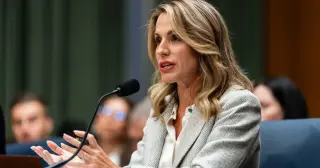
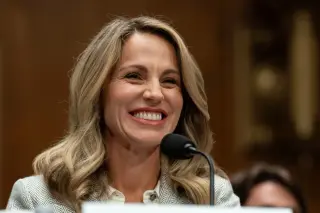
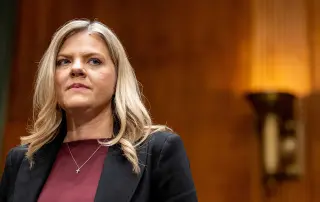
President Donald Trump nominated Erica Schwartz, a former deputy surgeon general and Coast Guard rear admiral, to lead the CDC, ending a months-long search. Schwartz must win Senate confirmation to take the job. She brings MD, JD, MPH credentials and a background in Navy and Public Health Service, and would replace acting director Jay Bhattacharya, whose tenure ended under the Vacancies Act after Susan Monarez’s brief tenure amid vaccine-policy clashes. The move comes amid ongoing public-health leadership turmoil and vaccine policy debates at the agency.

President Donald Trump nominated Dr. Erica Schwartz, a former deputy U.S. surgeon general, to run the Centers for Disease Control and Prevention, and named three other health officials, as the agency confronts ongoing vaccine policy changes and legal challenges under Health Secretary Kennedy. If confirmed, Schwartz would be the CDC’s permanent director, succeeding acting leadership after the position has been vacant since August, amid debates over vaccine schedules and scientific integrity.

President Trump nominated Erica Schwartz to be the director of the CDC, a role that would require Senate confirmation as the agency faces leadership upheaval under HHS Secretary Robert F. Kennedy Jr. Schwartz, a former deputy surgeon general with Coast Guard service, would take over as acting leadership terms and vaccine policy debates continue to shape the agency’s direction.
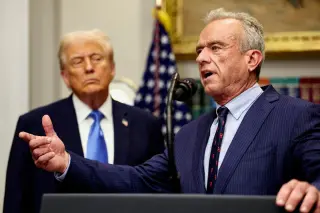
Congress kicks off a grueling seven-hearing sprint to scrutinize RFK Jr.’s first year heading HHS and his 2027 budget, with Democrats pressing vaccine policy and Medicaid implications while Republicans weigh his MAHA reform agenda and NIH funding. Kennedy plans to spotlight nutrition reforms, drug-price moves, and budget transparency as he defends his policies and tries to show the receipts of his reforms ahead of the midterms.
A POLITICO/PUBLIC FIRST poll maps the Make America Healthy Again (MAHA) coalition around Robert F. Kennedy Jr., profiling figures like Mehmet Oz, Marty Makary, Calley Means, Gwyneth Paltrow, and others who are shaping federal health policy—emphasizing nutrition over vaccines and revealing mixed public opinions about Kennedy and his aides.
After a court ruling paused Kennedy’s overhaul of the ACIP, the HHS-signed charter updates broaden the panel’s mandate to include vaccine safety risks and research gaps, expands membership expertise to include toxicology and vaccine-injury recovery, and allows non-voting liaisons from groups skeptical of vaccines. The changes come as Kennedy, who previously fired ACIP members, seeks to align policy with his anti-vaccine views; critics say the move advances “junk science” while HHS calls it a routine renewal. The charter also tasks ACIP with evaluating international vaccination schedules and enhancing safety surveillance.

Robert Malone, a Kennedy ally and member of the CDC’s vaccine advisory committee (ACIP), resigns after a federal court blocked the panel’s controversial changes to the childhood vaccine schedule, effectively sidelining ACIP as questions linger over its future and a new CDC director is being nominated.

Malone claimed the CDC vaccine advisory panel ACIP had been disbanded and would be rebuilt after a court injunction, sparking online buzz; he later retracted, and HHS said no official move had been announced, leaving the panel’s fate uncertain amid ongoing legal challenges and debates over qualifications.

A federal judge halted 13 ACIP members and all of their decisions, prompting confusion over whether the vaccine advisory panel will be disbanded, reconstituted, or remain with new leadership; four recently named members still serve, while officials say no final path has been decided, and the ruling also paused changes to the routine childhood vaccine schedule, keeping all 17 vaccines under current recommendations.

A federal judge blocked Health Secretary RFK Jr.'s sweeping changes to the nation’s childhood immunization schedule, ruling the administration unlawfully altered policy and reconstituted the CDC vaccine advisory panel. The ruling pauses the overhaul as appeals unfold and highlights ongoing disputes over who should shape federal vaccine guidance and how independent expert panels are used in policy decisions.
A federal judge stayed Health Secretary RFK Jr.'s appointments to the vaccine advisory panel (ACIP), effectively blocking its upcoming meeting and the January downgrade of certain vaccines to 'shared clinical decision-making,' as litigation over his vaccine-policy changes proceeds; the ruling emphasizes the traditional, evidence-based process for vaccine recommendations and could be appealed.