
Melbourne toddler dies of rare E. coli infection linked to petting zoo visit
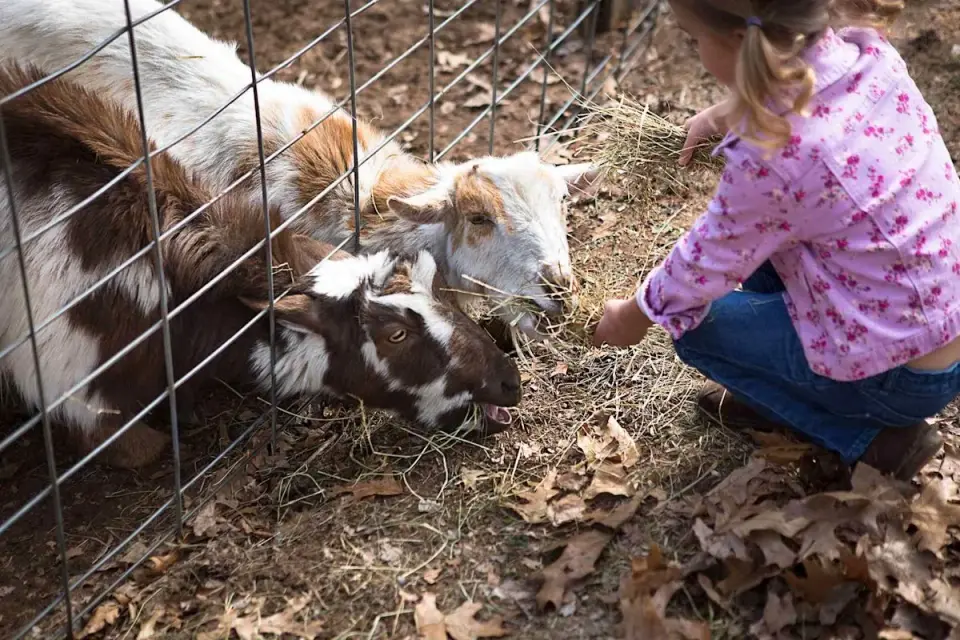
A 3-year-old girl from Melbourne, Australia, died on August 31 after suffering from hemolytic uremic syndrome (HUS), a rare condition caused by a Shiga toxin-producing E. coli (STEC) infection. The child spent six weeks in the hospital before succumbing to permanent brain damage and kidney failure. Her parents believe she contracted the bacteria at a petting zoo where she interacted with animals. Victoria’s Deputy Chief Health Officer confirmed that HUS cases are extremely rare, with only two confirmed in the state this year, and urged the public to wash hands thoroughly after animal contact. No specific farm has been identified as the source, and authorities are not considering closing petting zoos.
Key points
- The victim, a 3-year-old from Melbourne, died on August 31 after a six-week hospital stay.
- The cause of death was hemolytic uremic syndrome (HUS), triggered by a Shiga toxin-producing E. coli (STEC) infection.
- The family stated the child likely contracted the bacteria at a petting zoo where she held, rode, and petted animals.
- Victoria’s Deputy Chief Health Officer, Clare Looker, noted that only two HUS cases have been confirmed in the state this year.
- Health officials urged the public to wash hands thoroughly after animal contact but stated there is no plan to close petting zoos.
- The CDC notes that STEC is found in the gut and feces of animals and can be transmitted through contact with animals or contaminated food/water.
Background
This incident follows a series of public health scares at petting zoos in the United States earlier in 2026. In late August, a mobile petting zoo in North Carolina, operated by Farm Adventures, prompted hundreds of people to seek rabies post-exposure prophylaxis after four baby goats tested positive for rabies. The North Carolina incident involved a wild skunk interaction and led to the euthanization of infected animals, while the current case in Australia involves a bacterial infection rather than a viral one. Both events highlight the potential risks associated with close contact with animals in petting zoo settings, though the specific pathogens and transmission mechanisms differ significantly.
Why it matters
This case underscores the potential severity of zoonotic diseases transmitted through animal contact, even in controlled environments like petting zoos. While HUS is rare, its impact can be fatal, particularly in young children. The incident prompts a review of hygiene protocols and public health messaging regarding handwashing after animal interactions. It also highlights the ongoing debate about the safety of petting zoos, balancing educational and recreational value against the risk of disease transmission. Health officials emphasize that while the risk is low, proper hygiene measures are critical to preventing such infections.
What to watch
Health authorities in Victoria are continuing their investigation into the source of the E. coli infection, though no specific farm has been identified. Public health officials are expected to continue urging the public to maintain strict hygiene practices, particularly handwashing after animal contact. There is no immediate plan to close petting zoos, but ongoing monitoring and risk assessments will likely be conducted to ensure public safety. The family has launched a GoFundMe campaign to support their loss, and the case may lead to increased scrutiny of petting zoo hygiene standards in Australia.
Want the full story? Read the original reporting
Read on Yahoo News New Zealand