
Hawaii officials brace for arrival of cychlorphine, a synthetic opioid 10 times stronger than fentanyl
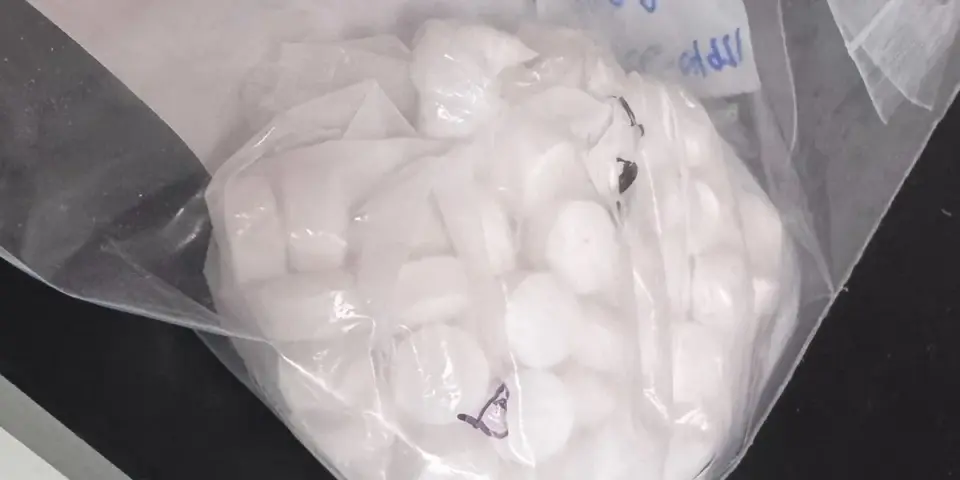
Hawaii health authorities are preparing for the arrival of cychlorphine, a synthetic opioid estimated to be up to 10 times more potent than fentanyl. While the drug has already caused deaths in multiple U.S. states, including a teenager in California, it has not yet been detected in Hawaii. Officials warn that the islands typically lag behind mainland drug trends by two years, making local outbreaks a matter of time. The substance, which evades standard fentanyl test strips, is being sold via social media disguised as prescription medications. Medical experts emphasize that standard overdose reversal protocols may require multiple doses of naloxone due to the drug’s extreme potency.
Key points
- Cychlorphine is a lab-made synthetic opioid up to 10 times stronger than fentanyl, first identified in the U.S. in 2024.
- The drug has been detected in ten states, including California, Texas, and Ohio, with double-digit fatalities reported in some areas.
- Hawaii’s High Intensity Drug Trafficking Area program has placed the substance on a red alert list, anticipating its arrival within two years.
- Standard field tests cannot distinguish cychlorphine from other fentanyl variants, delaying identification by first responders.
- Medical professionals warn that a single dose of naloxone may be insufficient to reverse an overdose caused by this drug.
Background
Recent public health alerts in the U.S. have focused on infectious disease exposures, such as measles cases in Colorado and Pennsylvania, as well as debates over youth vaping risks. However, the current focus has shifted to the opioid crisis, specifically the emergence of ultra-potent synthetic opioids that evade traditional detection methods. This follows a broader trend of illicit substances entering the market through social media channels, bypassing legitimate pharmacy channels.
How outlets are covering it
Hawaii News Now highlights the local preparedness efforts, noting that Honolulu Medical Examiner Dr. Masahiko Kobayashi has requested the toxicology lab to prioritize cychlorphine testing. In contrast, WLWT focuses on the drug’s presence in Ohio and Kentucky, noting it is often found in combination with fentanyl. WSYX emphasizes the technical challenge that cychlorphine evades standard fentanyl test strips due to chemical differences. KOLD highlights the concern among college students in Arizona, where officials are distributing naloxone to prevent overdoses before the drug arrives. While all outlets agree on the drug’s potency, they differ in emphasis: Hawaii focuses on the timeline of arrival, Ohio on detection failures, and Arizona on campus prevention strategies.
Why it matters
The emergence of cychlorphine represents a significant escalation in the opioid crisis, as its extreme potency and ability to evade standard testing tools create a high risk for fatal overdoses. The fact that it is sold via social media disguised as common prescriptions like Adderall makes it particularly dangerous for young people experimenting with drugs. As the drug spreads westward, regions like Hawaii, which have historically lagged behind mainland drug trends, are now at imminent risk. The inability of standard test strips to identify the substance means that first responders may not realize the severity of an overdose until it is too late, necessitating immediate and potentially multiple doses of naloxone for survival.
What to watch
Hawaii officials will continue to monitor drug seizures and work with toxicology labs to identify cychlorphine as it potentially arrives in the islands. Across the U.S., health departments are likely to issue more public alerts and distribute naloxone to high-risk areas, including college campuses. The DEA and local law enforcement will likely increase efforts to track the social media networks used to sell the drug. Medical professionals will continue to educate the public on the signs of overdose and the need for immediate emergency response, as standard testing methods remain ineffective for this specific substance.
- New potent street drug prompts Hawaii health alert Hawaii News Now
- Synthetic opioid up to 10 times stronger than fentanyl detected in Ohio, Kentucky WLWT
- Warnings go out about a new drug said to be 10 times more potent than Fentanyl kdvr.com
- University of Arizona students warned about new street drug cychlorphine KOLD
- Ohio health officials warn of cyclorphine, potent opioid that evades fentanyl tests WSYX
Want the full story? Read the original reporting
Read on Hawaii News Now