
Boston University Study Finds Specific Psilocybin and Ketamine Doses Improve Decision Accuracy in Mice
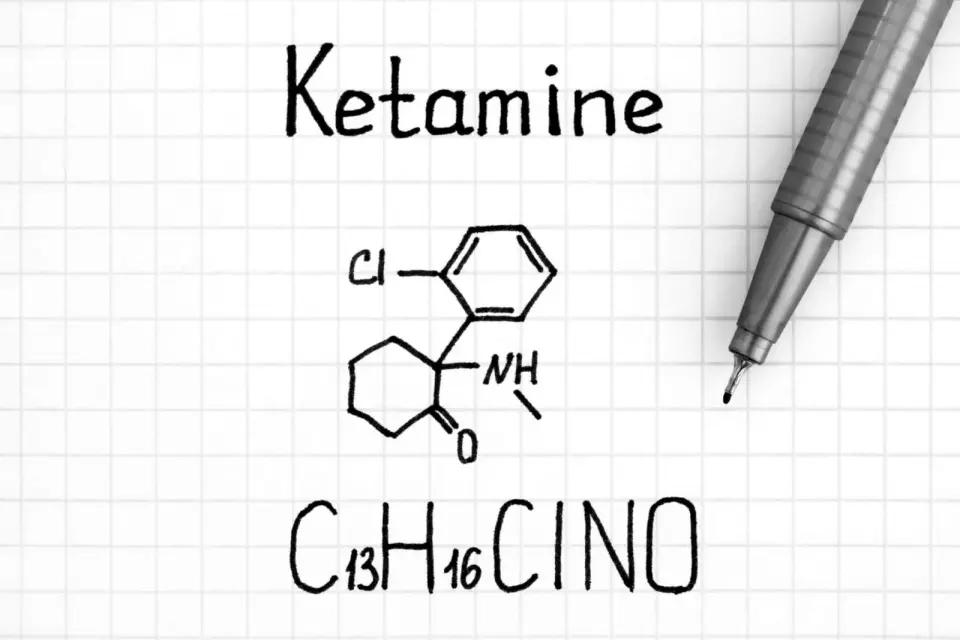
A new study published in Science Advances indicates that specific doses of psilocybin and ketamine can enhance decision-making accuracy in mice. Researchers at Boston University found that these drugs caused mice to rely less on habitual biases and more on sensory evidence, resulting in slower but more correct choices. While the findings suggest a potential mechanism for improved judgment, the authors caution that these results in mice do not directly explain therapeutic outcomes in humans.
Key points
- Mice given specific doses of psilocybin and ketamine took longer to make decisions but achieved higher accuracy in a light-flash task.
- The drugs shifted decision strategy from habitual biases to evidence-driven choices, requiring more sensory proof before committing to a choice.
- Brain activity in the orbitofrontal cortex changed under the influence of both drugs, with choice-moment neural peaks arriving later and weaker.
- Comparison drugs like cocaine and diazepam did not produce the same accuracy improvements, suggesting the effect is specific to psychedelics.
- The authors emphasize that these findings in mice should not be interpreted as directly explaining therapeutic outcomes in humans.
Background
Psychedelics like psilocybin and ketamine are currently being investigated for rapid-acting treatments for psychiatric conditions. However, their effects on everyday cognitive processes, such as decision-making, have remained poorly understood. This study aims to fill that gap by examining how these drugs alter decision strategies in a controlled laboratory setting.
Why it matters
Understanding how psychedelics affect decision-making could provide insights into their therapeutic potential. If these drugs can improve judgment by reducing reliance on habitual biases, this could have implications for treating conditions characterized by rigid thinking or maladaptive decision patterns. However, further research in humans is necessary to determine if these effects translate to clinical benefits.
What to watch
Future research will likely focus on testing a broader panel of psychedelic compounds to distinguish general principles from compound-specific effects. Additionally, human studies will be needed to determine if the decision-making improvements observed in mice translate to real-world cognitive benefits or therapeutic outcomes.
Want the full story? Read the original reporting
Read on StudyFinds