
Heat Exposure in Cars and Sunlight May Leach Harmful Chemicals from Bottled Water
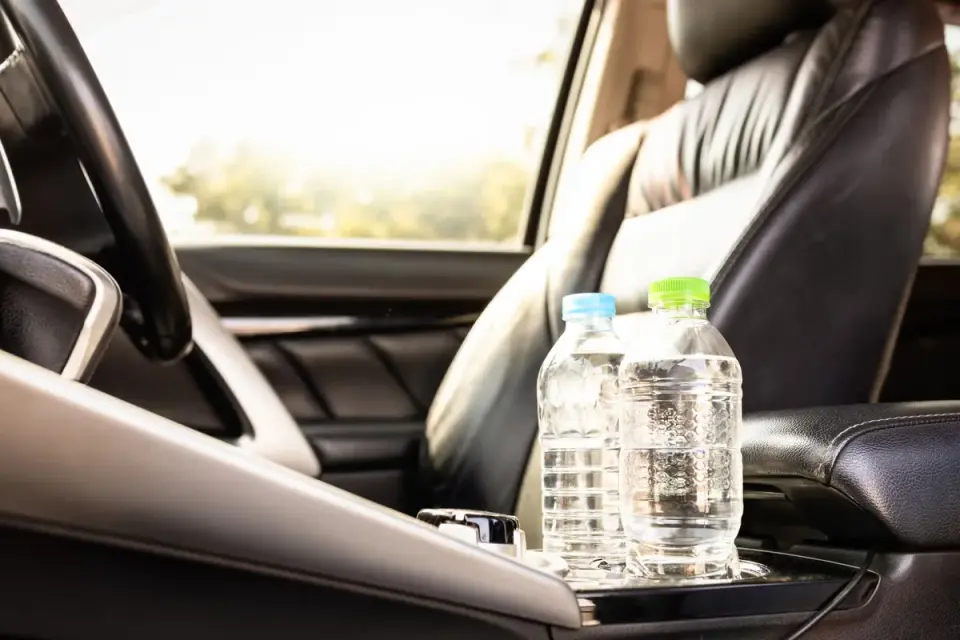
Health experts warn that leaving single-use plastic water bottles in hot vehicles or direct sunlight can cause the leaching of chemicals and microplastics into the water. While The Independent highlights the risks of endocrine-disrupting phthalates and bacterial contamination, South Korea has responded with new regulations mandating indoor storage away from sunlight and capping shelf life at two years to prevent toxic leaching.
Key points
- The Independent reports that heat exposure can cause phthalates and other chemicals to leach from plastic bottles, acting as endocrine disruptors that interfere with natural hormones.
- Experts cited by The Independent note that single-use bottles exposed to heat or sunlight may also release microplastics and face bacterial contamination risks.
- South Korea's Ministry of Climate, Energy and Environment implemented new rules requiring bottled spring water to be stored indoors away from direct sunlight, with shading covers required for unavoidable outdoor storage.
- A 2022 South Korean government investigation found that exposing bottled water to 50°C and UV light for 15 to 30 days resulted in the detection of formaldehyde, acetaldehyde, and antimony, some exceeding safety standards in Japan and Australia.
- New South Korean regulations cap the shelf life of bottled spring water at two years and limit the reuse of large polycarbonate containers to a maximum of 10 years, requiring manufacturing dates to be marked on containers.
Background
This story follows a series of high-profile incidents in the US in 2026 involving children left in hot vehicles, highlighting the dangers of extreme heat inside cars. While those incidents focused on human safety, the current focus shifts to the chemical safety of beverages stored in similar high-temperature environments.
How outlets are covering it
The Independent focuses on the scientific and health implications for individual consumers, emphasizing the risks of chemical leaching and microplastics from plastic bottles left in hot cars. In contrast, Seoul Economic Daily reports on a regulatory response in South Korea, detailing specific government actions to mitigate these risks through stricter storage, labeling, and inspection rules. The Independent cites expert opinions on hormonal disruption, while the South Korean source cites government audit data on specific chemical contaminants like formaldehyde and antimony.
Why it matters
Consumers are increasingly concerned about the safety of single-use plastics, especially when exposed to heat. This issue highlights the need for both personal caution and stricter regulatory standards to ensure that bottled water remains safe for consumption, preventing exposure to potential carcinogens and endocrine disruptors.
What to watch
Consumers should avoid leaving bottled water in hot cars or direct sunlight. In South Korea, businesses will have a two-year transition period to comply with new storage and distribution rules, while manufacturers must begin marking manufacturing dates on large containers within one year.
- Why you shouldn’t leave bottled water in a hot car The Independent
- Korea Tightens Bottled Water Storage Rules to Curb Toxic Leaching Seoul Economic Daily
Want the full story? Read the original reporting
Read on The Independent