Tag

Endocrine Disruptors

All articles tagged with #endocrine disruptors

UN Report: Hormone-Disrupting Chemicals in Daily Goods Cost World $1.1 Trillion Annually
health-and-environment10 days ago

UN Report: Hormone-Disrupting Chemicals in Daily Goods Cost World $1.1 Trillion Annually

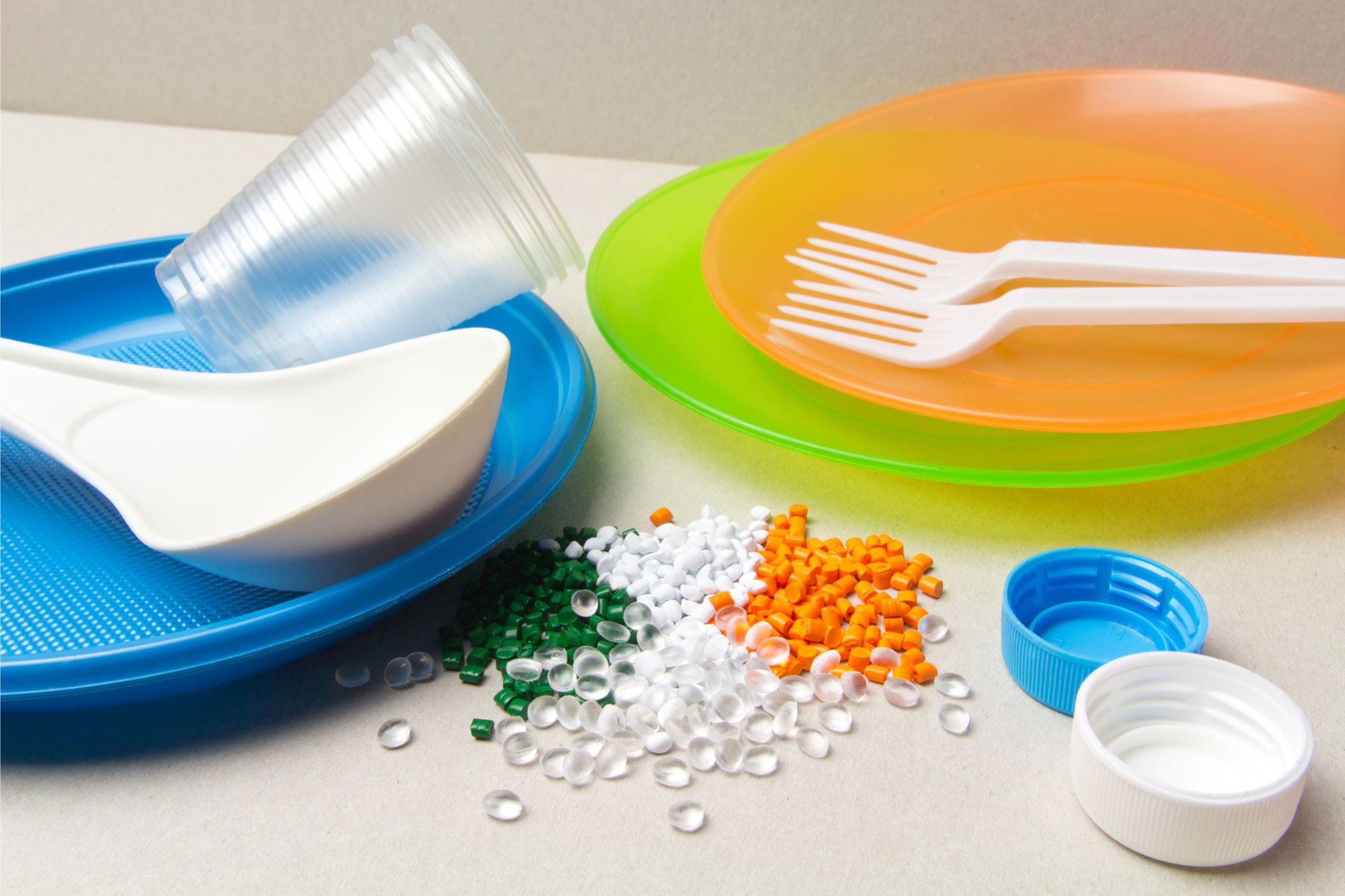
A new joint report by the UN Environment Program and World Health Organization states that endocrine-disrupting chemicals (EDCs) in everyday items like plastics, personal care products, and pesticides pose a growing threat to human health and the environment. The report estimates that health-related costs from exposure to these chemicals exceed $1.1 trillion annually worldwide, a figure that does not include losses from contaminated water, biodiversity loss, or impacts on food production. It calls for urgent, coordinated international action, noting that current policies are fragmented and insufficient. The report highlights that while science has advanced significantly since 2012, most of the 350,000+ registered chemicals globally have never been tested for endocrine-disrupting properties. It urges regulators to protect vulnerable populations, improve monitoring, and shift from reactive to proactive measures to prevent harm.


Turkish Study Finds Plastic Tea Bags Release Up to 2,498 Microplastics and BPA per Cup
health-and-science28 days ago

Turkish Study Finds Plastic Tea Bags Release Up to 2,498 Microplastics and BPA per Cup

A study by researchers at Recep Tayyip Erdogan University in Türkiye reveals that plastic-mesh tea bags release between 555 and 2,498 microplastic particles per cup, along with bisphenol A (BPA) and phthalates. While loose-leaf tea contains significantly fewer particles, the study warns that BPA levels from plastic bags can reach 21.7% of the European Food Safety Authority’s tolerable daily intake, posing potential risks for vulnerable groups like pregnant women and children.

Heat Exposure in Cars and Sunlight May Leach Harmful Chemicals from Bottled Water
health-and-safety3 months ago

Heat Exposure in Cars and Sunlight May Leach Harmful Chemicals from Bottled Water

Health experts warn that leaving single-use plastic water bottles in hot vehicles or direct sunlight can cause the leaching of chemicals and microplastics into the water. While The Independent highlights the risks of endocrine-disrupting phthalates and bacterial contamination, South Korea has responded with new regulations mandating indoor storage away from sunlight and capping shelf life at two years to prevent toxic leaching.

The Spermageddon Debate: What the Data Really Say About Male Fertility
science4 months ago

The Spermageddon Debate: What the Data Really Say About Male Fertility

The piece questions whether reports of a global male fertility crisis are overstated, noting that some regions show declines in sperm counts or testosterone while others do not and methodologies vary. It explains that environmental chemicals, pollution, and lifestyle may influence fertility, but there is no universal consensus on causes or the magnitude of declines, underscoring the need for robust, long‑term data before declaring a worldwide trend.

Plastic Detox: A Fertility Quest Against Everyday Chemicals
health8 months ago

Plastic Detox: A Fertility Quest Against Everyday Chemicals

Facing unexplained infertility, a couple joins Dr. Shanna Swan’s three‑month Plastic Detox study to cut plastic exposure, avoiding plastic packaging, receipts, synthetic fabrics and fragranced products. In a small sample, BPA levels dropped and sperm counts rose, suggesting home changes can impact fertility, though results aren’t conclusive. The Netflix documentary The Plastic Detox argues these chemicals are widespread and calls for broader lifestyle reforms to protect reproductive health.

health-and-medicine9 months ago

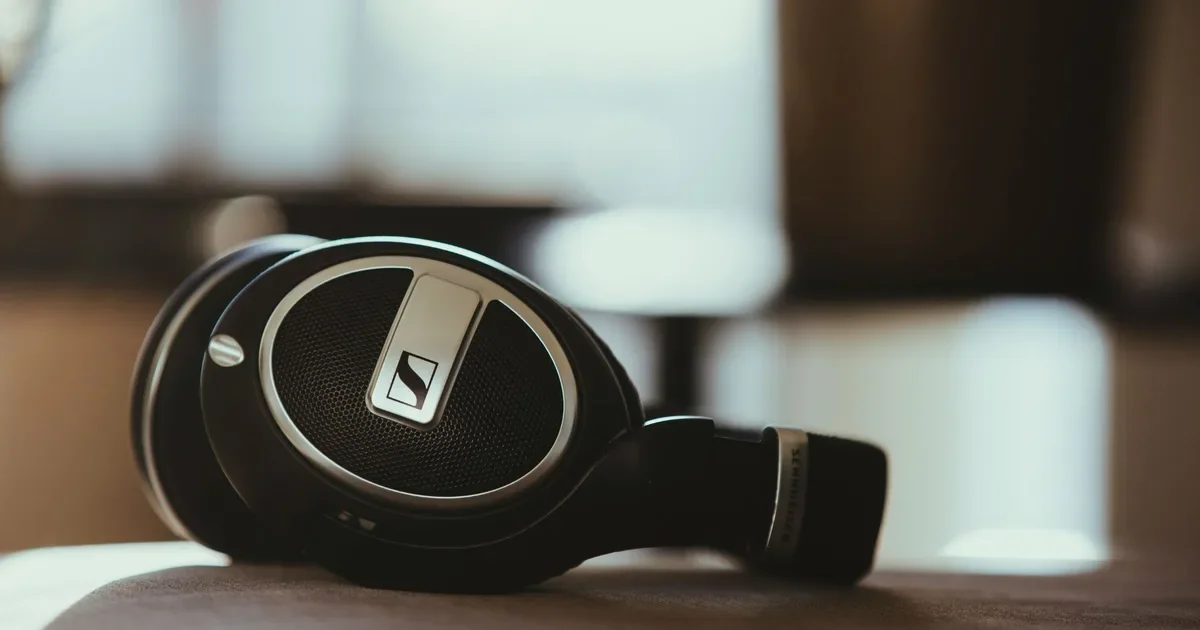
Cancer-Linked Chemicals Found in Nearly All Tested Headphones

A European study tested 81 headphones and found BPA in 98% of samples and its substitute BPS in more than three-quarters, with these chemicals migrating into wearers through skin contact—especially with in-ear models—raising concerns about long‑term risks like endocrine disruption, feminization, early puberty, cancer and organ damage. Regulators and manufacturers are urged to demand safer materials and transparency, with TOX-Free LIFE for All pushing bans; Bose and Panasonic were contacted for comment.

Every Headphone Brand Fails Chemical Safety Test, New Study Warns
technology9 months ago

Every Headphone Brand Fails Chemical Safety Test, New Study Warns

A European study testing 81 headphone models from brands such as Bose, Panasonic, Samsung and Sennheiser, plus budget sellers Shein and Temu, found hazardous substances in every product. BPA appeared in 98% of samples and BPS in over 75%, with additional chemicals like phthalates, chlorinated paraffins, and flame retardants detected. Researchers urge banning endocrine-disrupting chemicals in consumer goods and pushing for greater transparency about product contents. While no immediate health risk is claimed, long-term exposure—especially with heat and sweat—could pose concerns.

Lab finds toxic chemicals in 81 headphones from Bose, Samsung, and Sennheiser
technology9 months ago

Lab finds toxic chemicals in 81 headphones from Bose, Samsung, and Sennheiser

A lab study by the ToxFREE LIFE for All project tested 81 headphones from Bose, Samsung and Sennheiser and found toxic chemicals in every model, including BPA in 98% of samples and BPS in over 75%, along with phthalates, chlorinated paraffins and various flame retardants. Experts warn that skin contact and heat during use can accelerate chemical migration, raising health concerns and prompting calls for broader regulation and greater transparency from manufacturers; brands reportedly did not immediately comment.

Experts Warn of Health Risks from Hidden Chemicals in Perfumes
health2 years ago

Experts Warn of Health Risks from Hidden Chemicals in Perfumes

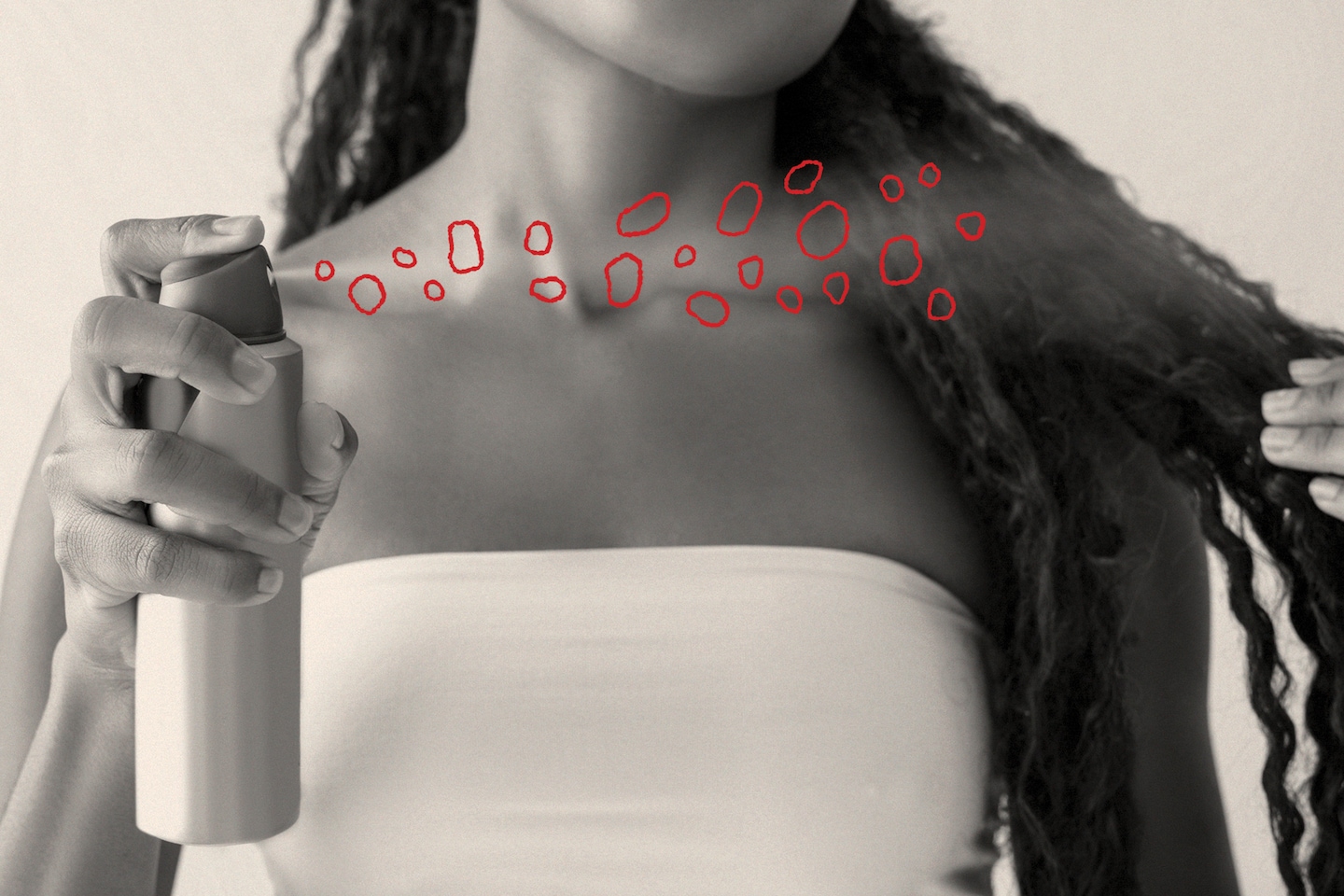
Scientists warn about the health risks of phthalates, chemicals used in perfumes and other self-care products to prolong scent. Phthalates are known endocrine disruptors linked to developmental issues in children and cardiovascular disease in adults. Despite being banned in children's toys, they remain prevalent in many consumer products. Experts recommend avoiding added fragrances and opting for phthalate-free alternatives to reduce exposure. While some argue the data on human harm is insufficient, animal studies suggest significant risks, prompting calls for more cautious consumer choices.

BPA Alternatives May Pose Health Risks, Study Finds
health2 years ago

BPA Alternatives May Pose Health Risks, Study Finds

A new study from Miguel Hernández University of Elche reveals that bisphenol analogs BPF and BPS, used as replacements for BPA in plastics, may pose similar health risks, including obesity, diabetes, and hormone disruption. Using computer simulations, the research shows these compounds accumulate in biological membranes, affecting their function and potentially leading to adverse health effects. The findings suggest that BPF and BPS are not safer alternatives to BPA, urging a reevaluation of their use in consumer products.

health2 years ago

The Hidden Dangers of Everyday Fragrances

Research is raising concerns about phthalates, chemicals found in many personal care products like perfumes and nail polishes, due to their potential health risks, including insulin resistance and impaired neurodevelopment. Experts recommend reducing exposure to these endocrine-disrupting chemicals (EDCs) by using phthalate-free products and minimizing processed food consumption. While critics argue the data isn't conclusive, studies in animals suggest EDCs can cause significant health issues, potentially affecting future generations.

Mold Toxins in Groceries: A Pregnancy Risk?
health2 years ago

Mold Toxins in Groceries: A Pregnancy Risk?

A study published in the Journal of Exposure Science and Environmental Epidemiology reveals that nearly all pregnant women are exposed to the fungal toxin zearalenone (ZEN), which mimics estrogen and may disrupt reproduction. Detected in 97% of urine samples and 84% of placentas, ZEN is prevalent in grains and processed foods, with exposure potentially rising due to climate change. The study highlights the need for dietary caution and food regulation to mitigate exposure, as higher ZEN levels are linked to diets rich in ultra-processed foods.