
Migraine Patients Show 4-Year Accelerated Brain Aging in Memory and Emotion Centers
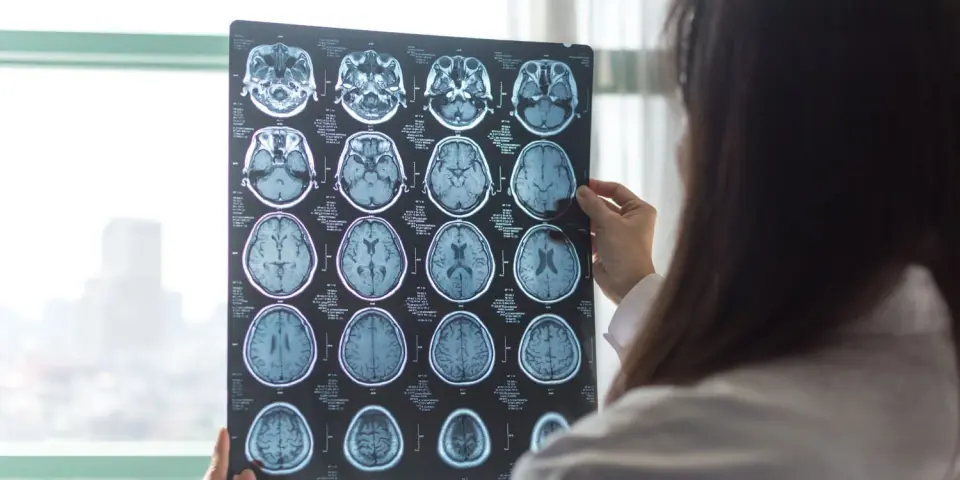
A new study published in Brain Communications reveals that migraine sufferers exhibit accelerated biological brain aging, with their brains appearing approximately 4.24 years older than their chronological age. Researchers from National Yang Ming Chiao Tung University and Taipei Veterans General Hospital analyzed MRI scans of 110 migraine patients and 70 healthy controls, finding that 66 specific brain regions showed signs of premature aging. These areas, concentrated in the prefrontal, frontal, parietal, and temporal cortices as well as the amygdala, are critical for emotional regulation, pain perception, and cognitive control. The study suggests that migraines may impose a physical toll on the brain beyond immediate pain, potentially impacting memory and attention, though further research is needed to confirm causal links and clinical implications.
Key points
- Migraine patients showed a global brain-age gap of 4.24 years compared to healthy controls, indicating accelerated biological aging.
- 66 specific brain regions exhibited elevated aging patterns, primarily in areas linked to emotion, cognition, and pain perception.
- The study used a machine-learning model trained on 1,318 healthy individuals to predict brain age based on gray matter volume in MRI scans.
- Regional aging patterns were associated with clinical factors such as headache frequency, medication use, and depression scores.
- The cross-sectional design limits causal conclusions, and future longitudinal studies are needed to assess long-term cognitive impacts and the effects of preventive treatments.
Background
This finding aligns with recent research linking chronic stressors to accelerated brain aging. For instance, a July 2026 study on 9/11 responders found that PTSD was associated with molecular changes indicating accelerated aging in multiple organs, including the brain. Similarly, a UCL-led study on chronic financial stress found links to faster brain aging and higher Alzheimer’s risk. These studies collectively suggest that persistent neurological or psychological burdens may contribute to broader biological aging processes, though they highlight the need for longitudinal data to establish causation.
Why it matters
Understanding the link between migraines and accelerated brain aging could lead to new preventive strategies and treatments that mitigate long-term cognitive decline. If migraines contribute to structural brain changes, early intervention with preventive medications might slow this aging process, potentially reducing the risk of memory and attention deficits in later life. This research underscores the importance of viewing migraines not just as a headache disorder but as a condition with broader neurological implications.
What to watch
Future research will focus on longitudinal studies to track brain aging in migraine patients over time and assess whether preventive treatments can slow this process. Additionally, formal cognitive testing will be conducted to determine if the observed structural changes translate into measurable deficits in memory and attention. These efforts aim to clarify the causal relationship between migraines and brain aging and identify potential interventions to protect cognitive health.
Want the full story? Read the original reporting
Read on PsyPost