
North Carolina teen Moises Ponce Mendoza dies of rare Naegleria fowleri infection
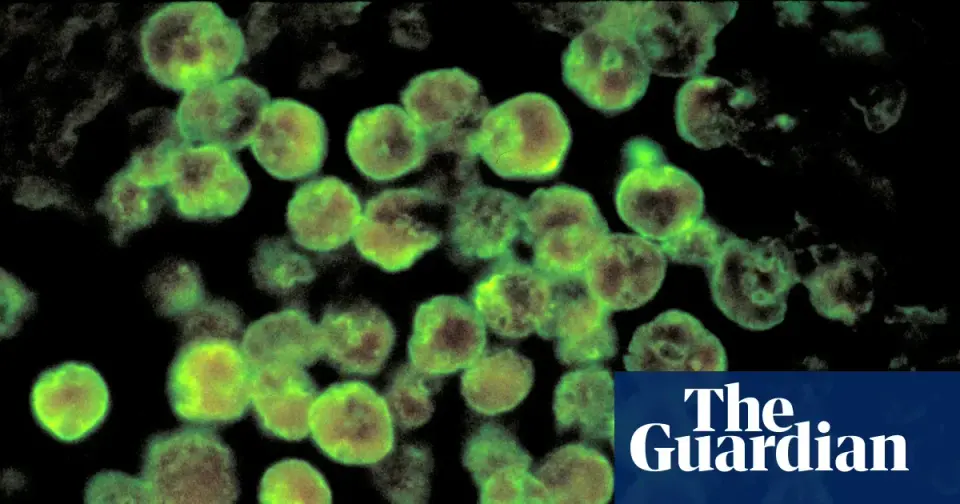
A North Carolina teenager, identified as Moises Ponce Mendoza, died on August 31, 2026, after contracting a rare and fatal brain infection caused by the amoeba Naegleria fowleri. The state health department confirmed the death, noting the teen had been critically ill since being diagnosed with primary amebic meningoencephalitis (PAM). His mother reported he was initially sent home from a hospital on August 21 with severe headaches before his condition rapidly deteriorated. The case highlights the extreme lethality of the infection, which has a mortality rate exceeding 97%, and raises questions about water safety and early diagnosis in warm freshwater environments.
Key points
- NCDHHS confirmed the death of a North Carolina teen, Moises Ponce Mendoza, on August 31, 2026, from Naegleria fowleri.
- The teen’s mother, Monica Mendoza, stated he was sent home from a Burlington hospital on August 21 after complaining of severe headaches, only to be admitted to UNC Hospital the next day.
- The infection, known as primary amebic meningoencephalitis (PAM), is caused by the amoeba entering the nose and reaching the brain.
- Fewer than 10 cases are reported in the US annually, and the infection is almost always fatal, with a mortality rate over 97%.
- Health officials advise using nose clips and avoiding diving in warm freshwater to prevent exposure.
Background
This incident follows a series of earlier reports in August 2026 regarding a critically ill North Carolina teen with the same rare infection. Previous coverage noted that authorities were investigating the source of exposure while urging public precautions. The current case is part of a broader pattern of Naegleria fowleri infections in the US, including a recent death of an eight-year-old girl in Louisiana, highlighting the ongoing risks associated with warm freshwater during summer months.
How outlets are covering it
The Guardian and The Independent focused on the tragic outcome and the specific timeline of the teen’s medical care, emphasizing the initial misdiagnosis or dismissal of symptoms at a local hospital. WRAL highlighted the public health challenges, noting that NCDHHS had not disclosed the specific water source of exposure as of late August, and pointed out the lack of simple, affordable testing methods for the amoeba in natural water bodies. U.S. News & World Report provided broader scientific context, detailing the biology of Naegleria fowleri and its global distribution, while emphasizing that the infection cannot be spread person-to-person or by swallowing water. All sources agree on the rarity and high fatality rate of the disease but differ in emphasis: The Guardian and Independent focus on the human impact and family narrative, WRAL focuses on public health infrastructure and testing limitations, and U.S. News focuses on scientific facts and prevention measures.
Why it matters
The death of Moises Ponce Mendoza underscores the critical importance of recognizing early symptoms of PAM, such as severe headaches and fever, and seeking immediate medical attention. It also highlights the limitations of current water testing and public awareness regarding the risks of Naegleria fowleri in warm freshwater. As climate change potentially expands the range of the amoeba, understanding these risks and improving diagnostic and testing capabilities are essential for preventing future fatalities.
What to watch
Health officials will continue to investigate the specific source of the teen’s exposure, though NCDHHS has not yet released details. Researchers, including those at UNC, are working on developing faster and cheaper testing methods for Naegleria fowleri to improve public health surveillance. Public health agencies will likely continue to issue warnings about water safety, particularly during hot weather, and encourage the use of preventive measures like nose clips when swimming in warm freshwater.
- North Carolina teenager dies from rare infection caused by brain-eating amoeba The Guardian
- Teen's rare brain infection prompts NC water safety warning ABC11 News
- North Carolina teen critically ill after being infected with rare brain-eating amoeba independent.co.uk
- Brain-Eating Amoeba Infections Are Rare but Deadly. Here’s What to Know U.S. News & World Report
- NC teen has rare brain infection likely caused by swimming. Where did exposure happen? Are you safe? WRAL
Want the full story? Read the original reporting
Read on The Guardian