
"Non-Invasive Brain Stimulation: A New Hope for Addiction, Depression, and OCD"
TL;DR
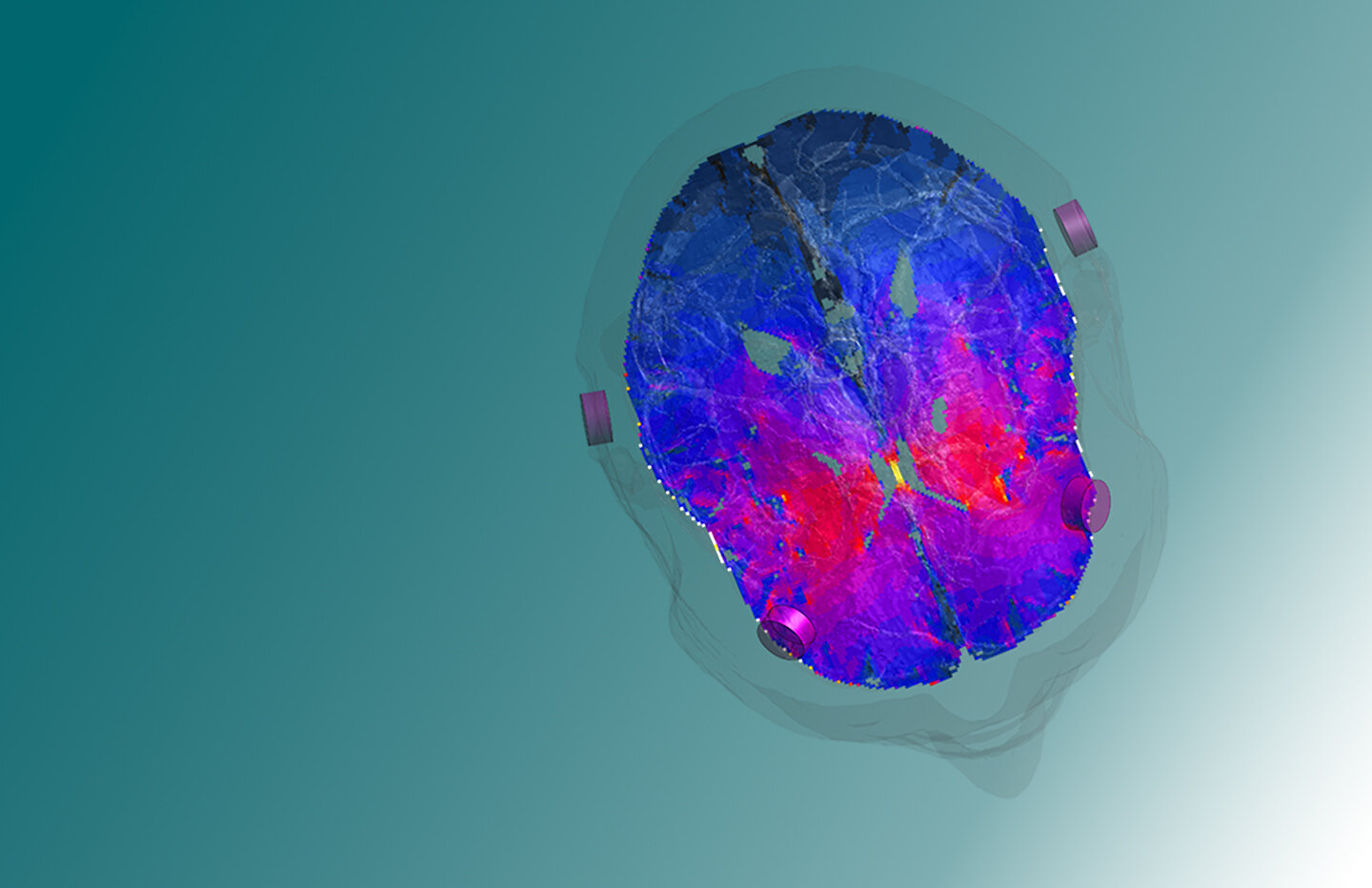
Researchers at EPFL have developed a non-invasive brain stimulation technique called transcranial Temporal Interference Electric Stimulation (tTIS) that targets deep brain regions like the striatum, which are involved in conditions such as addiction, depression, and OCD. This method uses low-level electrical stimulation on the scalp to selectively stimulate deep brain areas, offering a promising new approach for treating these complex neurological disorders with minimal side effects.
Topics:healthhealth-and-science#addiction#depression#health-and-science#neuroscience#non-invasive-therapy#ocd
Want the full story? Read the original reporting
Read on Medical Xpress