Tag

Depression

All articles tagged with #depression

Sleep-Disordered Breathing in 45+ Adults Linked to Rising Mental Health Risks, Large Study Finds
health2 days ago

Sleep-Disordered Breathing in 45+ Adults Linked to Rising Mental Health Risks, Large Study Finds

In a Canadian study of 30,097 adults aged 45–85, those at high risk of obstructive sleep apnea had about 40% higher odds of an existing mental disorder and ~20% higher risk of a new one over ~3 years; associations held after adjusting for risk factors, with women, lower-income individuals, and those with chronic pain or respiratory problems most affected. Likely mechanism: intermittent hypoxia and sleep fragmentation; CPAP and other treatments can improve sleep and mood when used consistently, underscoring the case for screening in primary care.

Hippocampus Changes Explain Why Chronic Pain Fuels Depression
science14 days ago

Hippocampus Changes Explain Why Chronic Pain Fuels Depression

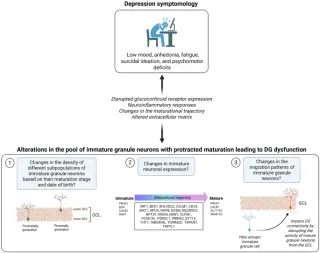
A large neuroimaging study shows chronic pain progressively reshapes the hippocampus: early adaptive increases in dentate gyrus activity give way to abnormal microglial activation and hippocampal shrinkage, linked to cognitive decline and depression across various pain types. Animal data suggest minocycline can dampen this process and preserve hippocampal structure; meanwhile, lifestyle factors and mindfulness may boost hippocampal volume and reduce depression risk, implying early, targeted treatment of pain could prevent depressive outcomes.

Depression Fosters a Fragile Negative Outlook, Not Realistic Optimism
health14 days ago

Depression Fosters a Fragile Negative Outlook, Not Realistic Optimism

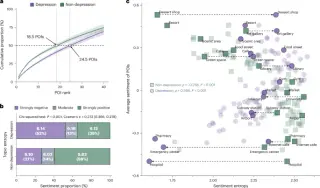
A study with 372 adults finds that depressive symptoms are linked to a genuine pessimistic bias about future positive events, rather than a realistic worldview; while individuals with depression can update their beliefs when positive events occur, these optimistic shifts are fragile and often reverse, whereas beliefs about negative events become more entrenched, challenging the idea of depressive realism and suggesting a complex, unstable learning process in depression.

Big Review Finds No Benefit of Medicinal Cannabis for Depression or Anxiety
health16 days ago

Big Review Finds No Benefit of Medicinal Cannabis for Depression or Anxiety

A Lancet meta-analysis of 54 randomized trials over 45 years found no solid evidence that medicinal cannabis improves anxiety, depression, or PTSD. While there are weak signals for some other conditions (epilepsy in certain forms, MS symptoms, and pain), the overall evidence quality is low. Potential harms include psychotic symptoms and increased risk of cannabis use disorder, and using cannabis could delay more effective treatments. The study also highlights regulatory concerns amid widespread medical cannabis use for mental-health symptoms.

Dads' depression risk climbs again a year after birth, study finds
health17 days ago

Dads' depression risk climbs again a year after birth, study finds

A Swedish study of over 1 million fathers (2003–2021) finds that while pregnancy and early postpartum lower risk, diagnoses for depression and stress-related disorders rise by more than 30% toward the end of the first year after a child’s birth, then level off about a year later. The findings underscore the importance of screening and supporting fathers’ mental health, a need often overlooked compared with mothers.

Turning inward too far may worsen mental health, study finds
mental-health22 days ago

Turning inward too far may worsen mental health, study finds

A meta-analysis of 39 studies (about 12,500 adults) finds that high self-reflection does not boost happiness and is linked to higher anxiety and depression, with effects varying by measurement tools and culture. Positive mental health showed no clear benefit, while negative mental health indicators rose—especially when rumination-focused tests were used. The researchers call for better measurement tools and longitudinal work to clarify causality and guide therapy.

GLP-1 diabetes meds may curb worsening anxiety and depression, study finds
health23 days ago

GLP-1 diabetes meds may curb worsening anxiety and depression, study finds

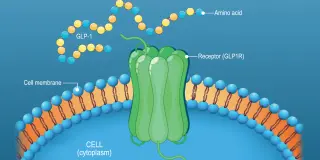
A large Swedish study of about 95,000 people with depression or anxiety who were taking diabetes medications found that GLP-1 receptor agonists—especially semaglutide and liraglutide—were associated with a lower risk of worsening mental health outcomes such as hospitalizations, sick leave, self-harm, or death, while other GLP-1 drugs did not show the same benefit; experts caution about drawing causality from observational data. A separate Danish study linked first-trimester exposure to semaglutide or liraglutide for diabetes with a higher risk of preterm birth.

Two to Three Cups of Coffee Could Shield Your Mental Health, Large Study Suggests
mental-health1 month ago

Two to Three Cups of Coffee Could Shield Your Mental Health, Large Study Suggests

An analysis of 461,586 UK adults followed for about 13 years shows a non-linear link between coffee and mental health: two to three daily cups are linked with the lowest risk of mood and stress disorders, while more than five cups erode benefits; heavy ground coffee in particular shows downside. Instant and ground coffee follow the same pattern; decaf has no clear effect. The protective link is stronger in men, and the metabolism genotype did not alter the pattern. Inflammation and kidney function markers partly explain the effect, but as an observational study it cannot prove causation.

Misophonia Linked to Broad Mental Health and Auditory Disorder Comorbidity
mental-health1 month ago

Misophonia Linked to Broad Mental Health and Auditory Disorder Comorbidity

A nationally representative U.S. study of 185 misophonia cases and 1,644 controls finds misophonia associated with markedly higher rates of mental-health and auditory-sensory disorders: current anxiety (53% vs 8%), current depression (42% vs 6%), lifetime depression (49% vs 11%), lifetime anxiety (47% vs 10%), PTSD (29% vs 3%), tinnitus (44% vs 23%), hyperacusis (42% vs 2%), and hearing loss (30% vs 26%), with 65% having at least one other diagnosed disorder. Some conditions (e.g., autism spectrum disorders) were not elevated after demographic adjustment; results rely on self-reports and may reflect shared underlying mechanisms rather than a standalone diagnosis.

One-dose DMT restores mood and brain circuitry in stressed mice
neuroscience1 month ago

One-dose DMT restores mood and brain circuitry in stressed mice

A single dose of DMT given after chronic stress reverses depression-like behaviors in mice, restoring pleasure-seeking and improving cognitive performance, with brain data showing increased hippocampal neurogenesis and corrected neuron placement. In many measures DMT outperformed fluoxetine, and benefits persisted even when dosing occurred under anesthesia, suggesting the conscious psychedelic experience may not be strictly necessary. Timing mattered: post-stress dosing yielded stronger cognitive recovery, underscoring a brain-plasticity window, but researchers caution that mouse results do not guarantee human outcomes and call for further translational work.

Psilocin variants promise depression relief without psychedelic trip
science1 month ago

Psilocin variants promise depression relief without psychedelic trip

Scientists engineered five psilocin derivatives designed to activate serotonin receptors and release psilocin more slowly, aiming to reduce psychedelic side effects. In mouse studies, the lead compound 4e crossed the blood-brain barrier and produced a lower, longer-lasting brain psilocin level with significantly fewer psychedelic-like head twitches compared with psilocybin, suggesting the possibility of safer, psychedelic-inspired antidepressants. More research is needed to assess safety and effectiveness in people.