
San Diego State Study Links One Minute of Stair Climbing to 40% Drop in Blood Sugar Peaks
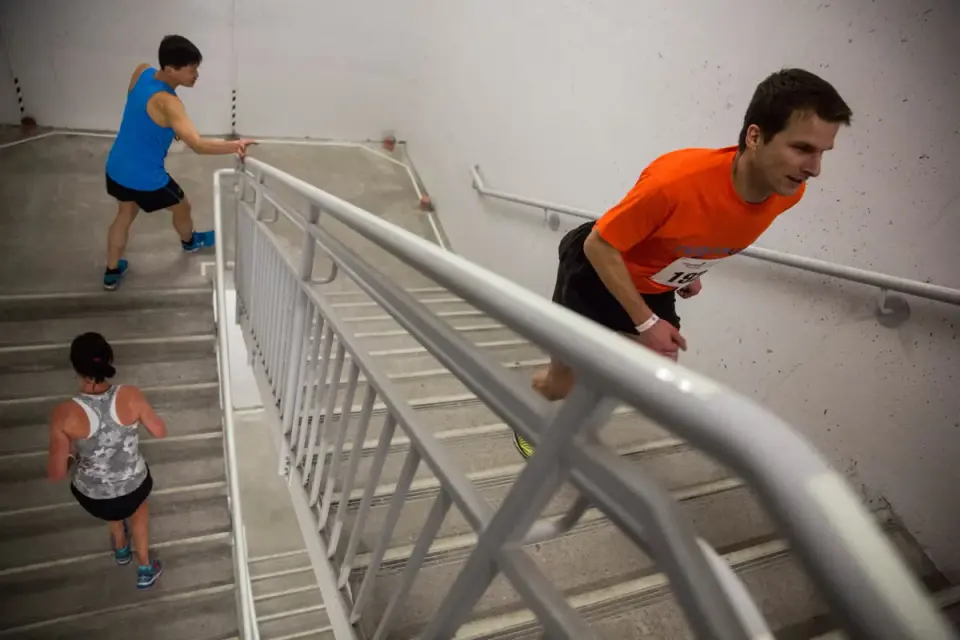
Researchers at San Diego State University found that one minute of low-intensity stair climbing can reduce blood sugar peaks by approximately 40 percent compared to sitting. The study, involving 30 exercise physiology students, observed these effects lasting up to 80 minutes after consuming a sugary drink. While senior author Jochen Kressler noted the surprising magnitude of the effect, he cautioned that the small sample size and lack of real meal testing limit the findings. Experts emphasize that this brief activity should complement, not replace, regular exercise, and that maintaining stable glucose levels is crucial for preventing chronic conditions like diabetes and heart disease.
Key points
- A study by San Diego State University researchers demonstrated that one minute of low-intensity stair climbing lowered blood sugar peaks by roughly 40 percent compared to remaining seated.
- The benefits were observed for up to 80 minutes after participants consumed a glass of sugar water, though the effect waned over time.
- Senior author Jochen Kressler expressed surprise at the significant impact, stating it seemed unlikely such a short duration would yield such large results.
- The study involved 30 exercise physiology students and did not involve actual meals, limiting its direct applicability to post-dietary glucose management.
- Kressler warned that this brief activity should not replace regular exercise and that long-term implications remain unknown.
- Health experts link blood sugar spikes to chronic conditions including kidney disease, dementia, and heart conditions, as well as short-term issues like fatigue and brain fog.
Background
Recent research has explored various lifestyle interventions to manage blood sugar. In November 2026, a preliminary study from NYU Langone Health suggested that bedroom HEPA filters could stabilize blood sugar in adults with prediabetes by reducing indoor air pollution. Additionally, earlier in November, Kyoto University research indicated that consuming olive oil before meals might blunt glucose spikes in mice, though human trials are needed. These studies, alongside the current findings, highlight the growing interest in non-traditional, low-effort strategies for metabolic health.
How outlets are covering it
The primary source, The Independent, highlights the surprising nature of the results, quoting Jochen Kressler’s skepticism that such a short duration could produce a 40 percent reduction. The secondary source, also from The Independent, reinforces this by emphasizing the potential for quick, easy methods to limit blood sugar spikes, while reiterating the need for balanced nutrition and hydration. Both sources agree on the limitations of the study, noting the small sample size and the absence of real meals, but they differ slightly in emphasis: the primary source focuses more on the physiological surprise and the specific mechanism of pulling sugar from the blood, while the secondary source broadens the context to include general health recommendations and the risks of skipping meals.
Why it matters
This finding offers a practical, low-barrier strategy for individuals looking to manage post-meal glucose levels. For people with diabetes or prediabetes, even brief physical activity can have a measurable impact on blood sugar control. However, the study’s limitations mean that these results should be viewed as preliminary. The broader implication is that consistent, small movements throughout the day, particularly after carbohydrate-rich meals, may contribute to better metabolic health and reduce the risk of chronic diseases associated with blood sugar spikes.
What to watch
Further research is needed to determine the long-term effects of brief stair climbing on blood sugar levels and to validate these findings in larger, more diverse populations. Future studies should also test the effects of such activities after real meals rather than sugar water to better understand their practical application in daily life. Additionally, more investigation is required to determine if these benefits extend to individuals with Type 2 diabetes, where insulin production is impaired.
- One minute of a simple workout could cut blood sugar spikes by 40 percent The Independent
- Column | Just one minute of this activity may cut blood sugar spikes by 40 percent The Washington Post
- This quick exercise that can significantly reduce blood sugar levels, experts say The Independent
- Just 1 minute of this activity cut blood sugar spikes by 40% in a small study Cleveland.com
Want the full story? Read the original reporting
Read on The Independent