
Purdue Study: Scented Cleaners Create Invisible Nanoparticle Pollution Rivaling Highway Smog
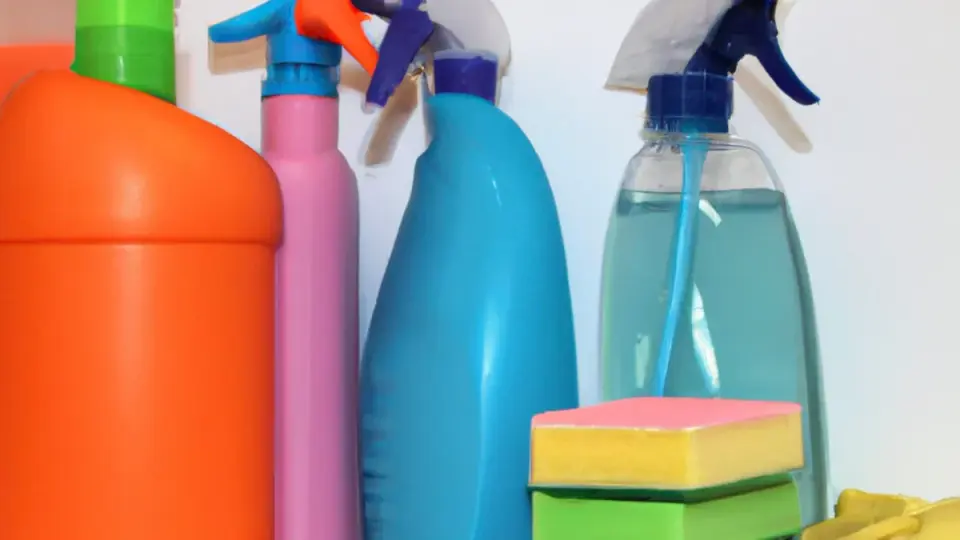
Research from Purdue University indicates that using scented cleaning products indoors generates billions of ultrafine nanoparticles through reactions between terpenes and ozone. These particles, ranging from 1 to 30 nanometers, are small enough to bypass standard air monitors and penetrate deep into lung tissue, potentially exposing users to respiratory doses comparable to or exceeding those found on busy city streets.
Key points
- Purdue University researchers, led by Brandon Boor, tested conventional and botanical cleaners in a model 'tiny house' lab.
- Terpenes in fragrances react with indoor ozone to form nanoparticles within minutes of cleaning.
- The resulting particle count can reach trillions, with sizes too small for many consumer air quality monitors to detect.
- Boor notes that the respiratory dose from these indoor particles can match or exceed exposure from outdoor traffic pollution.
- The study also found that using germicidal UV-C lamps alongside scented products exacerbates particle formation due to increased ozone generation.
Background
This finding adds to broader concerns about indoor air quality, following earlier reports on how urban emission zones can rapidly improve children's lung growth. While previous coverage focused on external traffic and industrial pollution, this study highlights a significant internal source: everyday household maintenance. The issue is compounded by the fact that terpenes, while natural, are present in much higher concentrations in cleaning products than in natural environments like forests or meadows.
How outlets are covering it
Gizmodo emphasizes the 'invisible' nature of the pollution, noting that the pleasant scent may mislead users into believing the air is clean. Air Quality News highlights the practical trade-off between surface disinfection and air quality, noting that particles can form before cleaning is even finished. Labroots frames the issue within the context of post-pandemic disinfection surges and the limitations of current home monitoring technology. All three sources agree on the core finding but differ in emphasis: Gizmodo focuses on the deceptive sensory experience, Air Quality News on mitigation strategies like ventilation, and Labroots on the broader implications for indoor technology and health risks.
Why it matters
This research challenges the assumption that scented cleaning products are safe for indoor air quality. It suggests that common household activities may contribute significantly to respiratory exposure, potentially rivaling outdoor smog. The findings underscore the need for better indoor air monitoring standards and may influence consumer choices toward fragrance-free products to mitigate health risks associated with ultrafine particle inhalation.
What to watch
Researchers will likely continue investigating the long-term health impacts of these nanoparticles and explore how different ventilation strategies or product formulations can reduce particle formation. Consumer advocacy groups may push for clearer labeling on cleaning products regarding their potential to generate airborne particulates. Additionally, manufacturers of air quality monitors may need to update their sensors to detect ultrafine particles in the 1-30 nanometer range to provide accurate indoor air readings.
- Cleaning Products May Expose You to as Much Air Pollution as a Busy Street Gizmodo
- Scented cleaners can create nanoparticles that reach deep into the lungs within minutes, tiny-home experiment finds Phys.org
- Scented cleaners linked to rapid formation of airborne nanoparticles Air Quality News
- Fresh scent of cleaning products worse for air pollution than traffic The Times
- Scented Cleaning Products Generate Lung-Penetrating Dust Labroots
Want the full story? Read the original reporting
Read on Gizmodo