
Flinders University Study Links Toilet Flushing to Respirable Microbial Aerosols
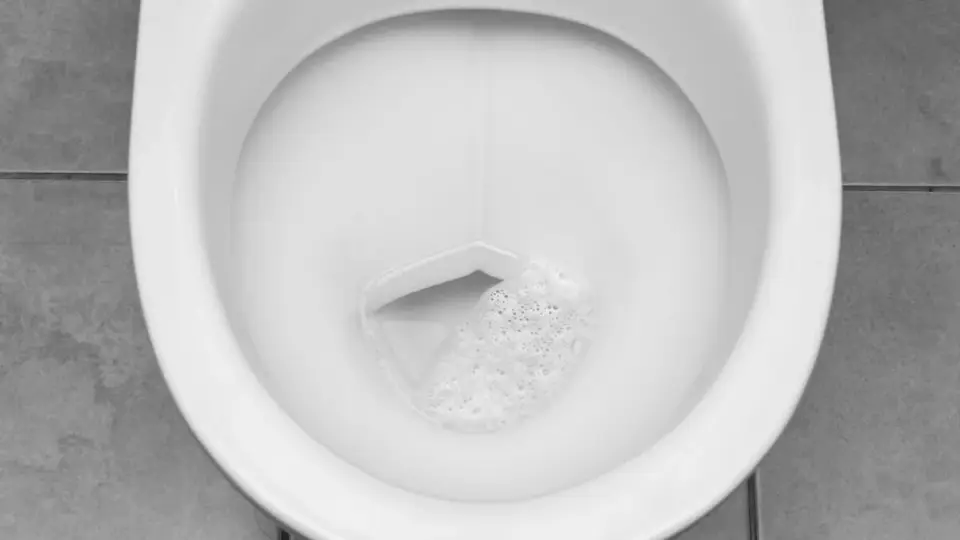
A review of 22 studies by Flinders University researchers indicates that toilet flushing generates bioaerosols containing pathogens like E. coli and Salmonella. These aerosols can reach adult breathing height, posing inhalation risks. While closing the lid helps, it does not eliminate the risk. The study suggests that better ventilation and improved toilet design are necessary to reduce microbial exposure, especially in hospitals.
Key points
- Researchers from Flinders University in Australia reviewed 22 existing studies on toilet flushing and aerosol generation.
- The review found that flushing creates turbulence that releases bioaerosols, some of which can reach the height of an adult's airways.
- Two factors were identified as most critical for disease transmission risk: the microbial load in the bowl and the volume of water used in the flush.
- The study notes that while closing the toilet lid is a recommended precaution, it does not completely prevent aerosols from escaping.
- The findings were published in the journal Science of The Total Environment and suggest a need for systematic changes in sanitation design.
Background
This report follows earlier coverage of cybersecurity incidents involving OpenAI and JFrog, but is unrelated to those events. The current story focuses on environmental health and sanitation science, specifically the public health implications of bathroom hygiene practices.
Why it matters
Understanding the link between toilet flushing and airborne pathogens is crucial for improving public health safety. The findings highlight that current sanitation practices may not fully protect individuals from inhalation exposure to microbes, particularly in high-risk environments like hospitals. This could lead to updated guidelines for bathroom ventilation and toilet engineering to minimize disease transmission.
What to watch
Researchers recommend that individuals close the toilet lid before flushing as a precautionary measure. However, they emphasize that this action does not fully mitigate the risk. Future efforts should focus on designing toilets that balance hygiene needs with reduced aerosol generation, as well as improving ventilation in bathrooms to clear lingering microbes more effectively.
Want the full story? Read the original reporting
Read on Gizmodo