
New Review Confirms Toilet Flushes Release Pathogens into Breathing Zones, Though Lid Efficacy Remains Unclear
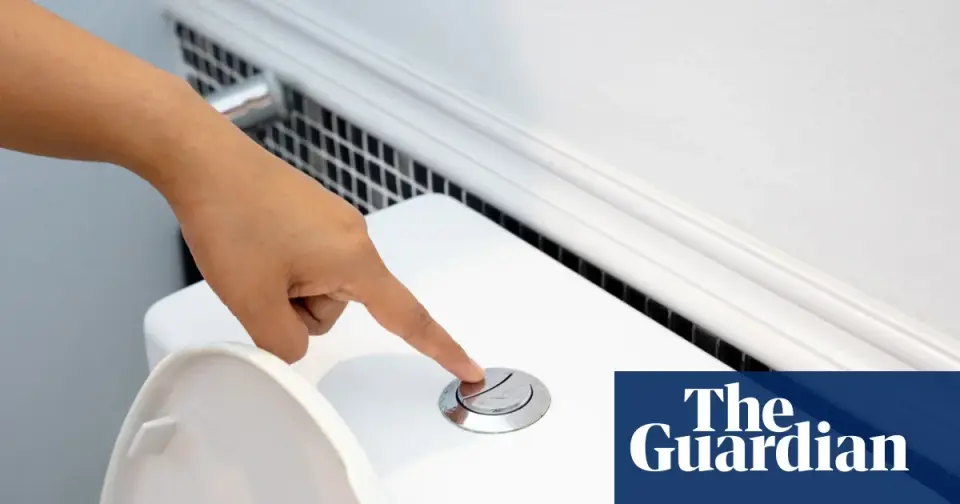
A systematic review of 22 studies confirms that flushing toilets releases bioaerosols containing pathogens into the air, reaching adult breathing heights and remaining suspended for at least 20 seconds. While higher flush volumes and microbial loads increase particle release, the effectiveness of closing the lid or ventilation remains inconclusive. Experts recommend closing the lid as a precaution, though it does not fully prevent exposure. The findings highlight risks for immunocompromised individuals and suggest a need for better bathroom design in high-risk settings like hospitals.
Key points
- Flinders University researchers reviewed 22 studies on toilet-generated aerosols, published in the Science of the Total Environment journal.
- Aerosols from flushing can reach the breathing zone of adults and remain airborne for at least 20 seconds.
- Higher microbial concentrations in water and larger flush volumes correlate with increased aerosol production; a tenfold increase in microbes leads to a 2.6-fold increase in airborne particles.
- The study found no significant difference in aerosol levels based on whether the lid was up or down, though closing the lid may alter dispersion direction.
- Lead author Lira Adiyani recommends closing the lid as a precautionary measure, despite its incomplete effectiveness.
- Professor Harriet Whiley emphasizes the need for improved design in hospitals and aged care facilities to protect vulnerable populations.
Background
This story builds on previous concerns about airborne transmission of pathogens, particularly highlighted during the pandemic. Earlier discussions often focused on whether specific viruses like SARS-CoV-2 spread via toilet plumes, but this new review provides a broader analysis of general bioaerosol risks. It shifts the focus from specific viral transmission to general microbial exposure, emphasizing the importance of hygiene and ventilation in both domestic and public settings.
How outlets are covering it
The Guardian and Flinders University present the core findings, noting that while aerosols reach breathing zones, the impact of lid position is unclear. ZME Science adds quantitative detail, specifying that a tenfold increase in microbial concentration results in a 2.6-fold increase in aerosols. The Guardian includes commentary from Dr. Lotti Tajouri, who expands the scope beyond the toilet bowl to general bathroom contamination and mobile phone usage, a perspective not detailed in the academic review. All sources agree that while the risk is real, it is primarily a concern for immunocompromised individuals or high-risk environments, rather than a daily threat for healthy people in private homes.
Why it matters
Understanding the mechanics of toilet aerosol release is crucial for improving public health infrastructure. The findings suggest that current hygiene advice, such as closing the lid, may be insufficient on its own. This necessitates a re-evaluation of bathroom design, ventilation systems, and flush mechanisms in hospitals and public facilities to better protect vulnerable populations from opportunistic pathogens.
What to watch
Researchers are now focused on developing engineering interventions to reduce bioaerosol generation, particularly in high-risk settings. Future studies will likely investigate the efficacy of specific ventilation systems and lower-volume flush designs. Additionally, public health campaigns may evolve to include broader bathroom hygiene practices, such as minimizing contact with surfaces and avoiding mobile phone use in toilets.
- Flushing the toilet can release a ‘plume’ of breathable pathogens – and closing the lid won’t stop their escape The Guardian
- What Happens When You Flush? Study Reveals How Toilet Aerosols Reach the Breathing Zone Flinders University
- Every Toilet Flush Can Send a Cloud of Microbes into the Air That Can Reach Your Breathing Zone ZME Science
- Should You Bother Closing The Lid To Flush The Toilet? Probably, Unless You Want Microbes Erupting Into Your “Breathing Zone” IFLScience
Want the full story? Read the original reporting
Read on The Guardian